Home Blog Page 18

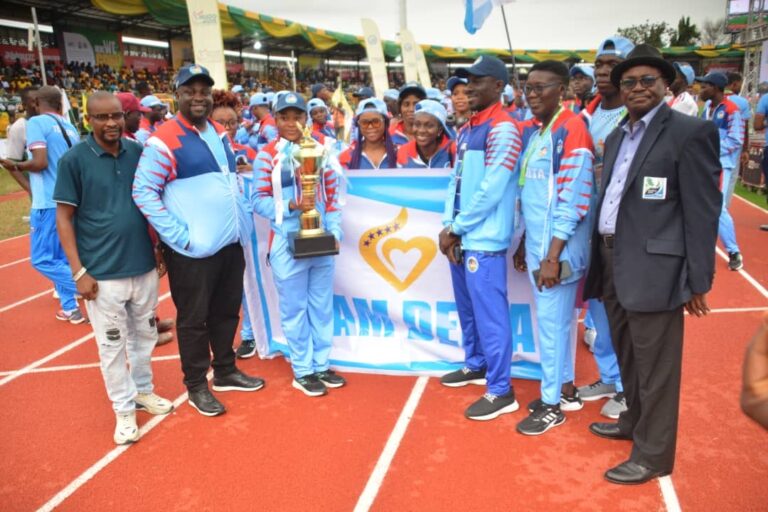
Delta Sports Boss Hails Team Delta’s Resilience at Gateway Games.

By Azuka Chiemeka.

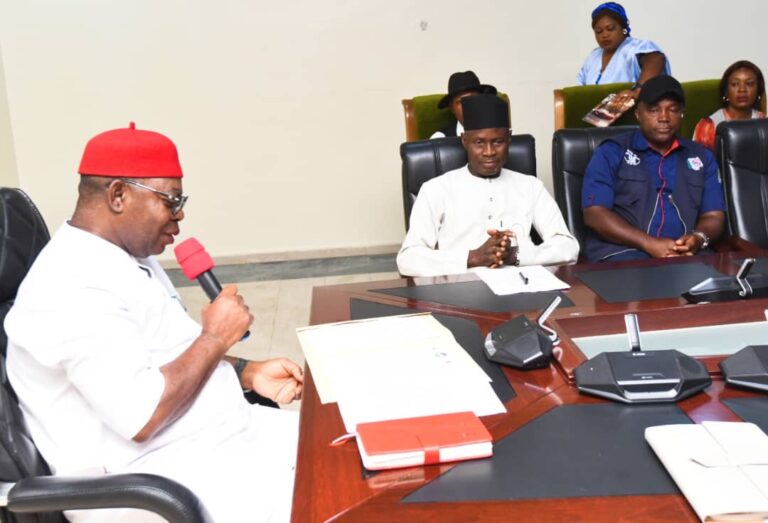
Chairman of the Delta State Sports Commission, Honorable Onoriode Oborevwori, has lauded the unwavering dedication and fighting spirit of Team Delta athletes and officials participating in the ongoing 22nd National Sports Festival tagged Gateway Games, holding in Ogun State.

Speaking on Friday morning, Oborevwori commended the team’s relentless pursuit of excellence, despite facing stiff competition and various logistical challenges. He noted that Team Delta continues to exemplify the heart and discipline of true champions.

“Against all odds, our athletes and officials have displayed tremendous strength and character. The challenges may be many, but Team Delta is showing what it means to stand tall in the face of adversity. Their resilience, commitment, and unity are attributes that will surely set us apart when the final whistle blows,” Oborevwori said.

The Delta sports boss also praised the synergy between athletes, coaches, and support staff, attributing the team’s consistent top performance to the well-coordinated efforts of all stakeholders involved.

Hon. Oborevwori assured that the state government will continue to support the team to ensure a strong finish and maintain Delta State’s enviable status as a sporting powerhouse in Nigeria.

He called on all Delta indigenes to rally behind the team as they push for glory in the remaining days of the Gateway Games.

As of 7:00 a.m. on Friday, May 23, 2024, Team Delta sits in second place on the medals table with 31 gold, 11 silver, and 28 bronze medals. Bayelsa currently leads the pack with 32 gold, 14 silver, and 15 bronze medals, while Rivers occupies third position with 15 gold, 11 silver, and 12 bronze medals.


*Culled from Delta NUJ Platform 

FG Ready To Resuscitate Moribund Steel Coy At Ovwian-Aladja, Delta -Minister of Steel Devt

0

Federal Government has restated commitment to ensuring that the Premium Steel and Mines Limited formerly known as Delta Steel and Mines Company, Ovwian– Aladja in Delta State is resuscitated for optimum contribution to the national economy irrespective of the ownership structure.

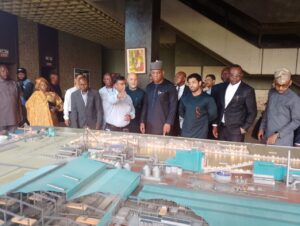
Minister of Steel Development, Prince Abubakar Audu stated this during inspection visit to the facility.

Prince Audu expressed the assurance that the resuscitation of the Premium Steel and Mines Limited whose promoters have experience in the nation’s economy would contribute immensely to the vision of Mr. President to grow the national Gross Domestic Product to one trillion US dollars.

According to the Minister, the location and technology at Premium Steel Plant makes it a choice Steel sector asset nearest to a deep sea with access to railway network linking ASCL/NIOMCO.

He stated that the Plant which had become moribund since 2021 has an installed capacity to produce one million tonnes of liquid steel and there are other ancillary units of the Plant.

Prince Audu affirmed the readiness of the Ministry of Steel Development to midwife the process to actualize full commercial operation of the Premium Steel and Mines Limited under the Renewed Hope administration.

”We must make sure that efforts culminate in early completion and operation of the Plant in eighteen months. The enormous Iron Ore resources and other Steel raw materials in Nigeria will be harnessed to support the operation of the Premium Steel Plant. ”

”The operation of the Plant at full capacity will generate over 5,000 direct jobs and 10,000 indirect jobs for the Nigerian economy. ”

The Minister of Steel Development said he had the mandate of Mr. President to intervene and resolve all issues holding the Premium Steel and Mines Limited and other steel assets in other parts of the country down and ensure that the noble vision of founding fathers was realized in the steel industry.

”I want to reassure you of the Federal Government’s commitment to facilitate and support the efforts of the Management of Premium Steel in resuscitating this national legacy asset and will do all in its power to ensure an enabling environment.”

” As we champion the emergence of a virile Steel Industry in Nigeria, we will not neglect our role in ensuring production of quality products while promoting and protecting the local operators in Nigeria. .

”We have already commenced action starting from Ajaokuta Steel Company Limited, National Iron Ore Mining Company, Itakpe, Aluminium Smelter Company of Nigeria, Ikot-Abasi, Delta Steel Company (Now Premium Steel & Mines Limited) to the Inland Rolling Mills at Oshogbo, Katsina and Jos”, stated Audu.

The Minster who emphasized the critical role of steel in industrial development of the nation said steel had remained a strategic industry for ages and an index of progress of a nation , contributing immensely to any industrial revolution.

He stated further, ”For Nigeria to stake its right place in the global order, it must be committed to the growth of its steel industry. Mr. President is aware of this critical role of the Steel sector and has remained resolute in promoting policies to support the industry”

The minister who described as unacceptable a situation where the country imports four billion dollars worth of steel annually, said the present administration had resolved to reverse the trend.

The Chief Executive Officer of the Premium Steel and Mines Limited, Sahil Vasweni hinted the minister about the partnership arrangement between the company and a Fortune 500 Global Steel firm for the resuscitation of the steel facility in two years.

He also revealed some operational issues around raw materials security especially Iron Ore resources and other logistics challenges.

The minister who was accompanied by top management of the ministry was taken round the steel facility and assets by the company’s Vice Chairman Mahesh Vashmi, the Chief Executive Officer, Sahil Vasweni.

Recall that the history of Delta Steel Company, Ovwian– Aladja project dates back to 1977 when the Federal Government of Nigeria entered into contract with a German-Austrian consortium to develop an integrated Steel Plant in Aladja based on Direct Reduction and Electric Arc Furnace Technology. The project was commissioned in 1982 with the hope to facilitate Nigeria’s transition into a Steel producing country but production activities were halted in 1997 due several issues. With the hope of private capital injection, the company was privatized to Global Infrastructure Holdings Limited in 2005 and eventually the Asset Management Company of Nigeria sold the company to Premium Steel & Mines Limited in 2015

NIPR Essential to Promoting Good Government –

0

By Ogode Chibuzor

Patrick Ukah, Director General of the Delta State Capital Territory Development Agency, has asserted that the Nigeria Institute of Public Relations (NIPR) holds a strategic role in advancing good governance across Nigeria.

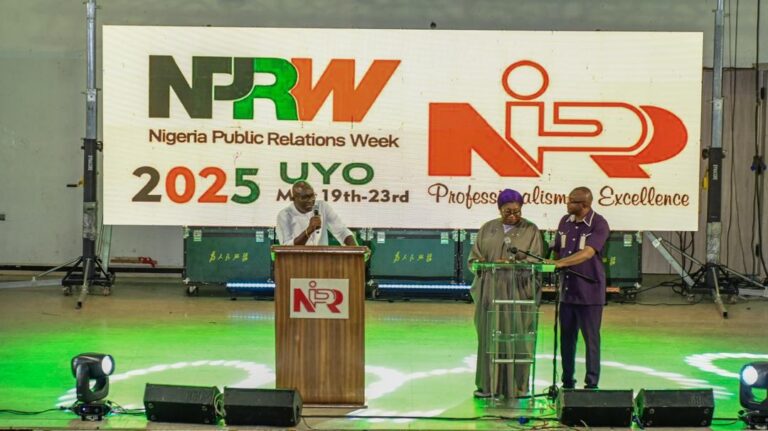
Speaking at the 2025 Annual General Meeting of the NIPR held in Uyo, Akwa Ibom State, Ukah, a former Secretary to the Delta State Government and two-time Commissioner, emphasized that public relations is not just a communication tool but a critical framework for promoting transparency, accountability, and citizen engagement in governance.

He described the NIPR as a catalyst for institutional effectiveness, noting that the expertise of PR professionals must be integrated at every stage of government planning and execution to ensure policies translate into real dividends for the populace.

“NIPR is a cornerstone of any democratic society. Its practitioners bridge the gap between government and citizens, ensuring programs are well understood, properly implemented, and widely accepted,” Ukah stated.

Ukah, widely credited with revitalizing the Delta State chapter of the institute, expressed strong confidence in the leadership direction of Dr. Ike Neliaku and pledged to support that vision if elected to the council in the forthcoming NIPR elections.

Drawing on his extensive public service record, Ukah promised to bring a blend of experience and reform-minded leadership to the national council, aimed at further professionalizing the practice of public relations in Nigeria’s public sector.


UNESCO, MAIN Wrap Up Workshop, Establish Nigeria MIL Media Executives Network

0

Following an intensive training workshop for Media Executives in North-West Nigeria, on Integrating Media and Information Literacy (MIL) into Editorial Policy and Guidelines of media organisations, the Nigeria MIL Media Executives Network (NiMMEN) has been established as one of the strategic outcomes of the training.

Facilitated by the United Nations Educational, Scientific and Cultural Organisation (UNESCO) and Media Awareness and Information For All Network (MAIN), the newly established MIL advocacy group, is aimed at ensuring the operationalisation of the principles and competencies of MIL in media operations in Nigeria.

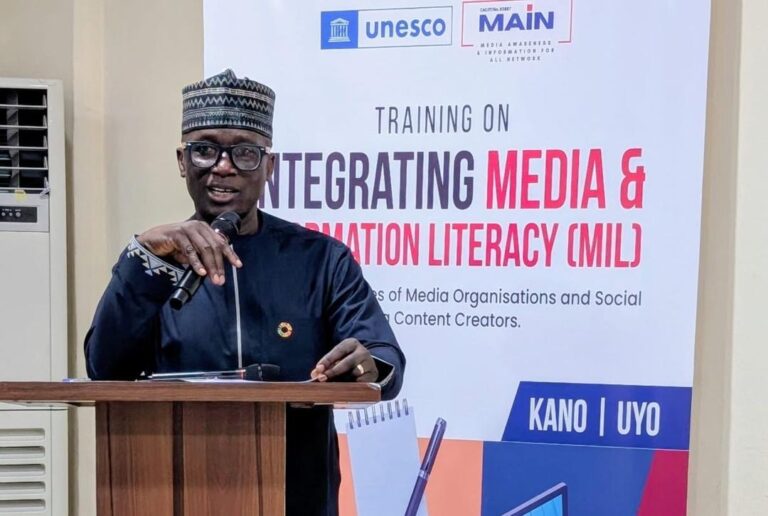
To steer the affairs of the NiMMEN, participants unanimously nominated the General Manager, Katsina State Television (KTTV), Mallam Abba Zayyan as the Interim National Coordinator.

Zayyan, a graduate of Education Technology from the Prestigious Ahmadu Bello University Zaria, also holds a Post Graduate Diploma in Mass Communication from ABU and master’s degree in international Affairs and Diplomacy as well as Master of Philosophy in International Relations all from ABU Zaria.

Malam Zayyan has worked in major radio stations in Nigeria culminating to his appointment as Zonal Director Federal Radio Corporation of Nigeria (FRCN). Until his present appointment he was the Director of Sports and Outside Broadcast. He comes with an experience spanning over three decades in the broadcasting industry.

Speaking on the establishment of NiMMEN, the UNESCO representative at the workshop, Ms Yachat Nuhu, explained that the establishment of the Nigeria MIL Media Executives Network was strategic in view of the need for every media organisation in Nigeria to develop a MIL-compliant editorial policy to engender information integrity.

“We want the media executives on board as we journey towards achieving a media landscape that is devoid of misinformation, disinformation and hate speech. We will be at the back seat to provide technical support, as always.” She said.

In his acceptance speech, Mallam Zayyan, thanked UNESCO and MAIN for the training and midwifing the establishment of the Network; and all participants for the confidence reposed in him to lead the association.

He reaffirmed his commitment to advancing advocacy for MIL integration into media operations not only in the North-West but across Nigeria.

The Chairman of MAIN, Prof. Jide Jimoh, congratulated all participants for unanimously embracing the idea of the Network, and Mallam Zayyan for accepting to lead.

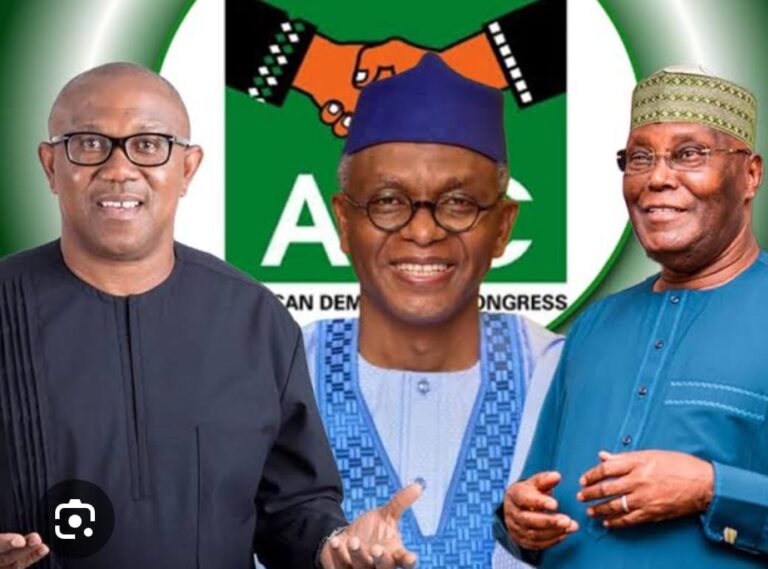
2027: Atiku, Obi, and El-Rufai remain vulnerable to fragmentation akin to oil separating from water.

By: Dr. James Bwala

If it doesn’t function in SDP, how will it work in ADC? We were taught in basic school science that oil and water do not mix. If this metaphor is any indication, it describes the character and style of the trio who want President Bola Ahmed Tinubu and Vice President Kashim Shettima to leave the Aso Rock Villa by May 29, 2027.

The Nigerian political landscape ahead of the 2027 general elections is witnessing significant realignments, particularly with the emergence of a potential coalition involving Atiku Abubakar (PDP), Peter Obi (Labour Party), and Nasir El-Rufai (Social Democratic Party). This alliance aims to challenge the incumbent President Bola Tinubu and his running mate Shettima, signaling a strategic move to consolidate opposition forces against the ruling All Progressives Congress (APC).

Despite these developments, reports suggest that Atiku, Obi, and El-Rufai are losing political ground due to internal fractures and challenges in harmonizing their distinct party platforms into a cohesive coalition. The APC remains cautious but confident, downplaying the threat posed by this opposition alliance while capitalizing on its incumbency advantages. Moreover, security concerns surrounding key opposition figures like El-rufai and Peter Obi highlight systemic issues that may undermine opposition unity and effectiveness.

While the planned coalition presents a formidable challenge to Tinubu’s administration, its success hinges on overcoming ideological differences and addressing vulnerabilities within opposition ranks. The low voter turnout in previous elections also casts uncertainty on whether such coalitions can mobilize sufficient grassroots support to unseat entrenched incumbents in Nigeria’s complex political environment.

El-Rufai was allegedly said to have run to SDP in order to be a placeholder for Atiku. However, reports breaking suggested that former Vice President Atiku Abubakar, ex-Labour Party presidential candidate Peter Obi, and former Governor Nasir El-Rufai of Kaduna State have collectively adopted the African Democratic Congress (ADC) as the official platform for their opposition coalition ahead of the 2027 Nigerian general election. According to them, this strategic alliance marks a significant realignment in Nigeria’s political landscape. These prominent figures seek to challenge the incumbent President Bola Tinubu and his All Progressives Congress (APC) party. The coalition aims to consolidate opposition forces under a unified banner, thereby enhancing their electoral competitiveness.

They thought they had found good ground in the SDP, setting their political balls rolling. But we learned of numerous problems and the infighting amongst them that informed new decisions, which they are claiming realignment. Adewole Adebayo, the 2023 presidential candidate for the Social Democratic Party (SDP), has unequivocally declared that he will not withdraw his candidacy in favor of former Vice President Atiku Abubakar in the forthcoming 2027 general elections. This statement marks a significant stance within Nigeria’s evolving political landscape, especially considering Atiku’s prominence as a leading figure in the People’s Democratic Party. Adebayo’s refusal to step down reflects his commitment to offering an alternative political vision through the SDP, highlighting the increasing fragmentation and diversification of political competition in Nigeria.

By maintaining his candidacy despite pressure to consolidate opposition forces behind Atiku Abubakar, Adebayo emphasizes the importance of ideological independence and electoral contestation. This dynamic also points to potential challenges within opposition politics, where coalition-building efforts may face resistance from emerging parties seeking distinct platforms. Consequently, Adebayo’s position could influence strategic alliances and voter alignments ahead of Nigeria’s critical 2027 elections.

The ADC, established in 2005 and officially registered by Nigeria’s Independent National Electoral Commission (INEC) in 2006, has gained renewed relevance through this high-profile adoption. Historically endorsed by influential leaders such as former President Olusegun Obasanjo in 2018, the ADC now serves as a viable platform for opposition collaboration. Reports indicate ongoing efforts to restructure and strengthen the party’s organizational framework to support this coalition effectively. This development underscores an effort to create a level playing field for all political actors irrespective of their origins within Nigeria’s multi-ethnic context.

While official public announcements remain forthcoming, insider sources confirm that this coalition reflects a shared commitment among Atiku Abubakar, Peter Obi, and Nasir El-Rufai to present a formidable alternative to APC dominance. However, the political dynamics involving Atiku Abubakar, Peter Obi, and Nasir El-Rufai exemplify the metaphor of oil and water—elements inherently incompatible and resistant to blending. Their divergent ideologies, regional interests, and leadership styles generate tension within any coalition they form, resulting in inherent cracks that undermine unity. This fragmentation fosters uncertainty among supporters and stakeholders, weakening the coalition’s overall cohesion and strategic direction. Such internal discord often manifests as conflicting policy priorities and public disagreements that erode trust both within the alliance and among the electorate.

I believe that the inability of these leaders to reconcile their differences jeopardizes their collective political objectives. The coalition’s instability not only diminishes its bargaining power but also opens avenues for opposition forces to exploit these divisions. Consequently, this loose ground hampers effective governance planning and implementation, reflecting broader challenges in Nigerian politics where heterogeneous interests struggle to find common ground. Therefore, without deliberate efforts towards genuine compromise and collaboration, coalitions involving Atiku, Obi, and El-Rufai remain vulnerable to fragmentation akin to oil separating from water.

* James Bwala, PhD, writes from Abuja.

Senate Passes Bill for Establishment of Federal Medical Centre in Oleh

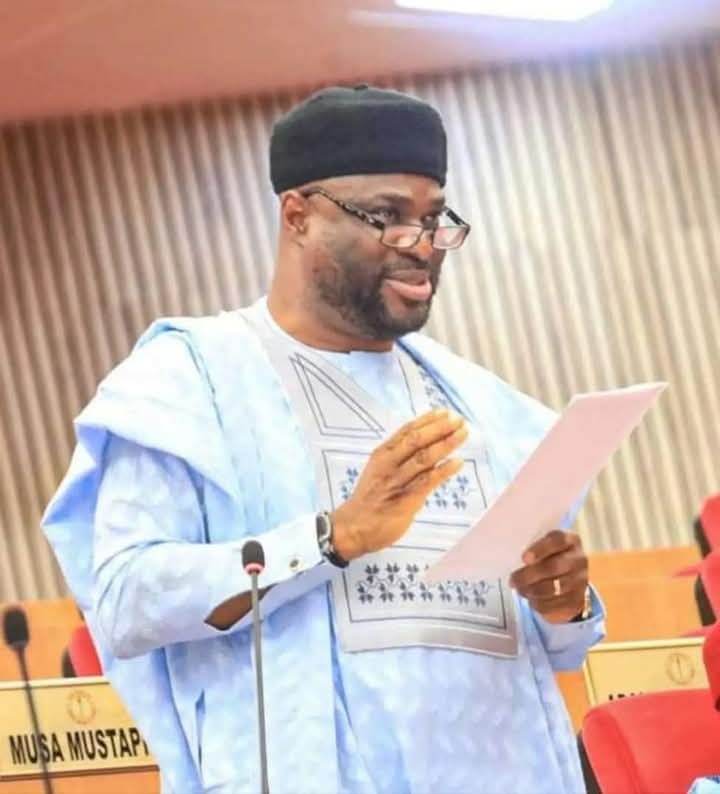
The Nigerian Senate has passed the Federal Medical Centre Act (Amendment) Bill, 2023 (SB. 197), which seeks to establish a Federal Medical Centre (FMC) in Oleh, Delta State.

The passage of the bill, sponsored by Senator Joel-Onowakpo Thomas representing Delta South Senatorial District, marks a major legislative milestone for the oil-rich region, particularly the Isoko nation.

The bill was initially presented on November 7, 2023, and passed its second reading on October 22, 2024. Following its third reading today, the Senate approved the legislation, paving the way for the creation of the first federally funded medical centre in the district.

Senator Joel-Onowakpo described the passage of the bill as a “major turnaround” for a region that has long grappled with inadequate access to quality healthcare.

“Oleh, as the senatorial headquarters, is strategically located to serve the surrounding communities. The new FMC will help reduce the burden of long-distance travel for specialist medical care, which often leads to delayed treatments and preventable deaths.”

The new facility is expected not only to bolster the region’s healthcare infrastructure but also to stimulate economic development.

According to the Senator, the centre will generate direct and indirect jobs, attract healthcare professionals, promote research and training, and improve overall public health outcomes.

He expressed gratitude to the Senate leadership, including Senate President Godswill Obot Akpabio, Deputy Senate President Jibrin Barau, and Majority Leader Michael Opeyemi Bamidele, for their support in advancing the bill.

“This is a critical step toward equity in federal healthcare infrastructure,” he added. “It reflects our collective will to bring meaningful development to Delta South and ensure our people’s needs are addressed at the national level.”

Senator Joel-Onowakpo reaffirmed his commitment to seeing the bill through to implementation, promising continued advocacy to ensure the timely establishment and operation of the medical centre.

The bill will now proceed to the House of Representatives for concurrence before being transmitted to the President for assent.

APC Affirms One-China Principle, Lauds Nigeria-China Partnership

0

The ruling All Progressives Congress (APC) has affirmed its unwavering commitment to the one-China principle, recognising Taiwan as an integral part of the People’s Republic of China (PRC).

Speaking in an interview in Abuja on Wednesday, the APC National Vice-Chairman (North-East), Comrade Mustapha Salihu, said the party is in full alignment with the federal government’s diplomatic stance.

He said: “Nigeria is unequivocally committed to the One-China Principle. Consequently, the policies and principles of the APC will mirror those of our federal government in diplomatic matters.

“China is a significant partner for our nation; they regard us as equals rather than a lesser nation. This perspective fosters a relationship of mutual progress. Therefore, it is wise for the government to support the one-China principle.”

Salihu reiterated the APC’s firm support for the government’s diplomatic policies, stating, “As a party, we stand resolutely behind the one-China principle.”

He praised the positive outcomes of Nigeria-China diplomatic relations, particularly in trade, investment, and infrastructural development.

He said: “Our partnership with China has yielded substantial results. We have witnessed the construction of extensive roads, bridges, and railways by Chinese companies, with counterpart funding from the Chinese government.

“In addition, projects such as the Ajaokuta-Kaduna-Kano (AKK) natural gas pipeline and various free trade zones in Nigeria have been funded, in whole or in part, by Chinese institutions. Chinese enterprises are eager to establish factories and businesses in Nigeria, and many are already contributing to our economy,” he noted.

He attributed the influx of foreign investment in Nigeria to the APC administration’s business-friendly policies, including amendments to the Companies and Allied Matters Act, which have streamlined processes for investors.

He expressed the party’s readiness to strengthen ties with the Communist Party of China (CPC) through collaboration in cultural exchange, trade, education, and human capital development.

He said: “We are dedicated to fostering mutual growth and reinforcing our historic partnership.”

Team Delta Climbs to 2nd on Medals Table as Esugo Shatters National Shooting Record at NSF Day 4.

BY Azuka Chiemeka.

Defending champions Team Delta showcased their championship pedigree on Day 4 of the 22nd National Sports Festival, tagged Gateway Games, with a surge in the medals table and a historic performance in shooting.

Kate Otiti Esugo delivered a landmark moment for Team Delta by setting a new National and Festival record in the women’s 10m Air Rifle event.
The sharpshooter fired an astonishing 591.9 out of 600, falling just 9 points short of perfection and outclassing her closest rival, Zinna Aistle of Rivers State, who scored 579.4.

The record-breaking performance highlighted Delta’s growing dominance across multiple sports, as the team also impressed in swimming,securing key medals and strong finishes that contributed to their climb to second place on the overall medals table.

After Day 4 o the competition, Bayelsa State remains in the lead with 16 gold, 6 silver, and 5 bronze medals. But Delta’s Day 4 charge saw them leap from their previous spot to second place with 10 gold, 5 silver, and 6 bronze medals.
Osun State sits in third with 6 gold and 1 silver, followed closely by Rivers State with 5 gold, 3 silver, and 4 bronze. Lagos State rounds out the top five with 4 gold, 7 silver, and 10 bronze.
In other standings:
Oyo State is sixth with 4 gold, 2 silver, and 6 bronze.
Akwa Ibom follows in seventh with 4 gold and 1 silver.
Plateau State holds eighth place with 3 gold, 2 silver, and 6 bronze.
Cross River is ninth with 3 gold, 1 silver, and 1 bronze.

Edo State completes the top ten with 2 gold, 15 silver, and 16 bronze.
The Invited Junior Athletes (IJA) sit in 11th with 2 gold, 1 silver, and 1 bronze.

In total, 199 medals have been awarded at the end of Day 4: 61 gold, 61 silver, and 77 bronze, with more fireworks expected as the Festival progresses.

* Copied from Delta NUJ platform 


Delta to begin impact assessment of policies under Servicom*

After reintroducing the Service Compact (Servicom), an initiative that spells out how delivery of services can be done timeously, Delta State is introducing a mechanism for regular assessment of policies and programmes in a bid to ensure that projections and expectations are attained.

The Senior Policy Adviser to governor of the state, Chief Funkekeme Solomon, revealed this in a meeting with the nodal officers for Servicom in all Ministries Departments and Agencies (MDAs) in Asaba.

He said there will be a periodic review of the return of Servicom that came with the performance thresholds that will be regularly evaluated, adding that monitoring meetings will hold every quarter.

“The governor, Rt. Hon. Sheriff Oborevwori, is very passionate about upgrading service delivery in Delta State. Nodal officers cannot report to the heads of their organisations. Rather, they should report to the Servicom Unit so their observations and reports are handled in a manner that policies are reviewed to ensure the goals and objectives remain on course”, he said.

Solomon whose office supervises the Labour Relations and Servicom units told the officers that accountability in service delivery is key to realising government’s developmental agenda.

“If there’s any policy that is no longer as useful as projected in the system, officers should draw attention to it for comprehensive review. At all points, services ought to be monitored. As nodal officers, you should monitor and evaluate the effectiveness and timelines of services rendered by public officers”, he said.

He directed all Servicom offers to render monthly reports to his office after which their observations and recommendations will be taken up with relevant officers.

On the challenges facing nodal officers in the discharge of their duties, Solomon assured that they will attended to as funds are available.

The Senior Policy Adviser was accompanied by the director in charge of Servicom and Labour Relations, Mrs. Uche Onwusanya and the Special Assistant on Policy, Mr. Pius Mordi.

West Africa’s Disaster Management Experts Convene in Accra to Strengthen Regional Recovery and Resilience Strategies

0

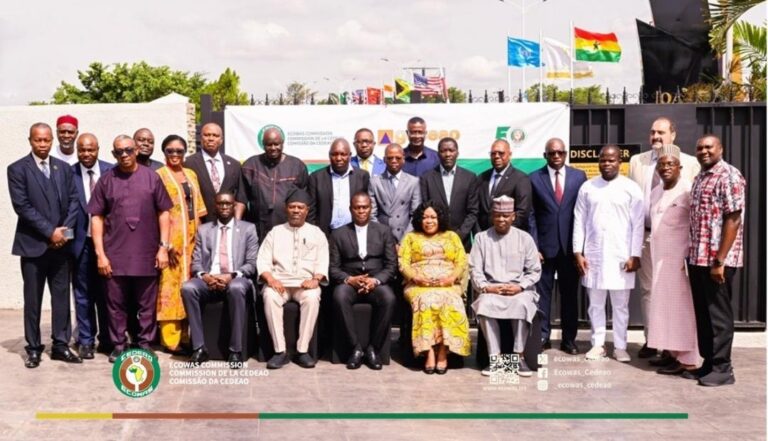
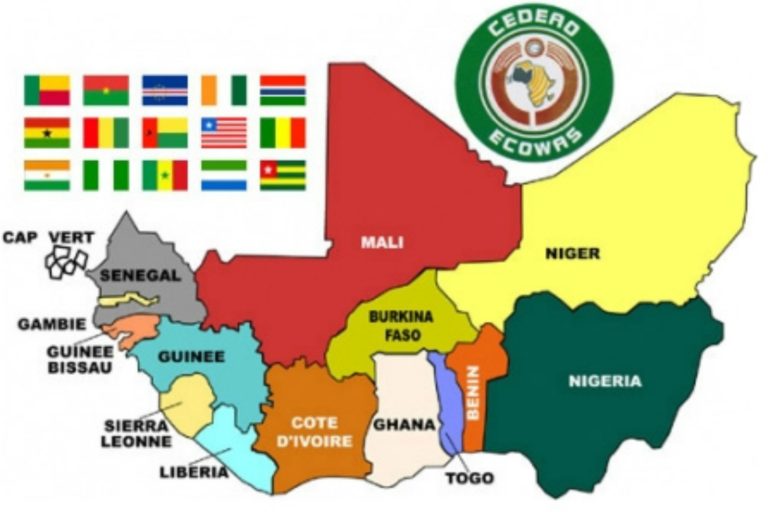
Heads of Disaster Management and Civil Protection Agencies from ECOWAS Member States are gathered in Accra, Ghana for the 16th Consultative Meeting of the Regional Committee for Disaster Management in West Africa (GECEAO).

The three-day meeting, organized by the ECOWAS Directorate of Humanitarian and Social Affairs (DHSA), aims to review the regional Recovery Roadmap and Roster, strengthen disaster coor- dination, and enhance resilience-building across the region.

Opening the event on behalf of the Director of Humanitarian Affairs, Dr. Sintiki Tarfa-Ugbe, Dr. Mohammed Ibrahim, Head of the Disaster Risk Management Unit, underscored the impact of disasters on West African communities over the past 25 years, noting losses exceeding a billion dollars.

He highlighted the growing frequency and intensity of disasters driven by environmental degradation, rapid urbanization, and climate change.

He said: “Member States must prioritize humanitarian assistance and invest in resilience-building programmes in collaboration with partners to mitigate these challenges.”

ECOWAS’ 2025 Humanitarian Response Initiative targets reaching over 600,000 individuals through programmes addressing food security, displacement, WASH (Water, Sanitation and Hy- giene), healthcare, and early recovery support. The initiative also emphasizes regional pre- paredness, emergency response coordination, and the adoption of new technologies to ensure timely, dignified aid delivery.

Speaking on behalf of Hajiya Zubaida Umar, Director General, Nigeria’s National Emergency Management Agency (NEMA), Alhaji Idris Mohammed emphasized the urgent need for cooperation and collaboration for effective management of disasters across the region, stating that “West Africa is increasingly vulnerable to floods, droughts, epidemics, and conflicts—events that threaten lives and reverse development gains. Now is the time to strengthen partnerships and build a resilient and united sub-region.” By sharing experiences, expertise, and resources, we can build a more resilient region, he added.

He also shared Nigeria’s ongoing efforts to train disaster management professionals through partnerships with six federal universities, offering certificate to postgraduate programmes in disaster and development studies, aimed at building regional expertise.

He further emphasized NEMA’s commitment to working with disaster management agencies of ECOWAS member states to enhance the collective capacity to prepare for and respond to disasters. We have done it in the past, and we ready to build on our past achievements, he said.

Chairman of GECEAO and Director General of Ghana’s National Disaster Management Orga- nization (NADMO), Major (Rtd.) Dr. Joseph Bikanyi Kuyon, commended Ghana’s recent legislative reforms empowering NADMO and announced the development of a national Disaster Risk Financing Strategy. He stressed the need for capacity building and called on participants to use their expertise to inform policy and drive impactful resource allocation.

“Our collaboration must translate regional hydro-meteorological warnings into tangible pre- paredness and mitigation actions,” Major Kuyon said. “Let us integrate disaster risk reduction into our national development plans for 2025–2026 and work toward GECEAO’s vision of harmonized disaster management in West Africa.”

The consultative meeting serves as a platform for strategic dialogue, knowledge exchange, and regional solidarity, as ECOWAS Member States work together to confront rising disaster risks and protect vulnerable communities across the region.


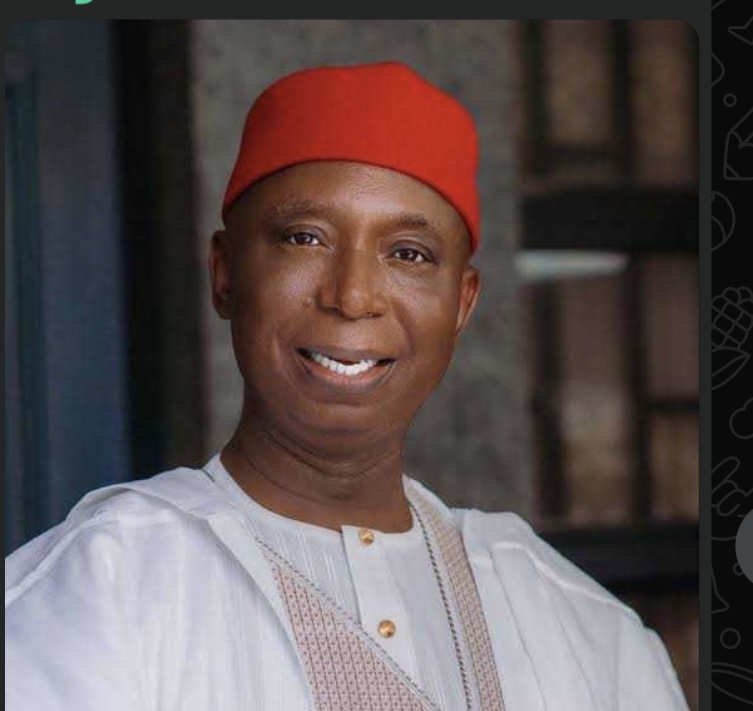
Senator Ned Nwoko Receives Accolades from Ex Aniocha South LGA councilors on development initiatives for senatorial district

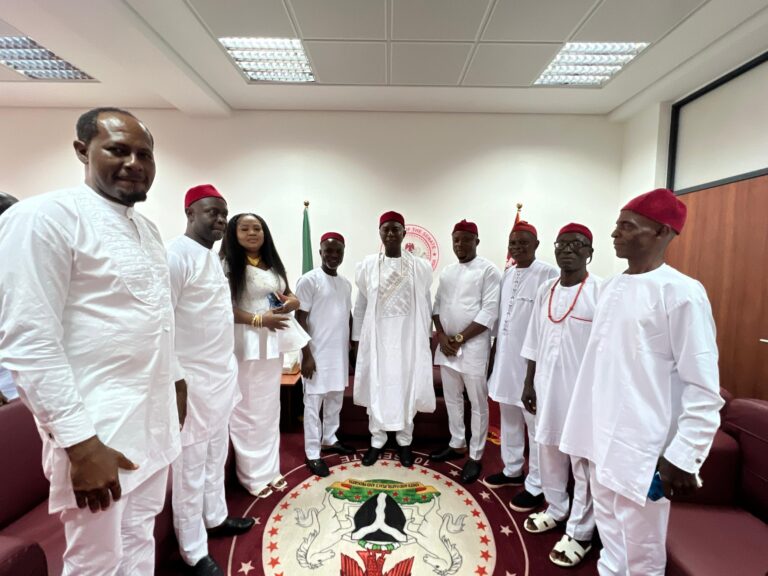
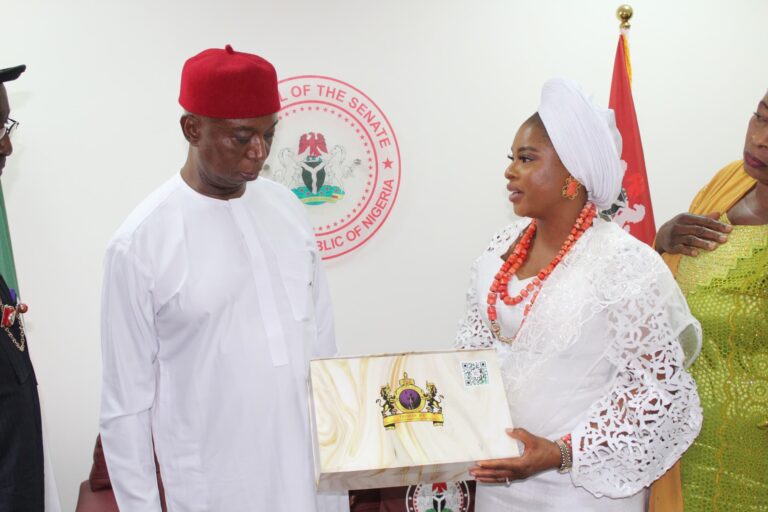
Senator Ned Nwoko, representing Delta North Senatorial District, on Tuesday welcomed a delegation of former councillors from Aniocha South Local Government Area to his office at the National Assembly in a show of solidarity and support.

In a statement he shared on his official Facebook page, Senator Nwoko expressed gratitude for the visit, describing it as a source of encouragement and inspiration.

“Honoured to receive former councillors from Aniocha South who paid a solidarity visit to my office at the National Assembly,” the senator wrote. “Their kind words, encouragement, and pledge of support mean a lot.

“When the people recognize and appreciate your efforts, it inspires you to do even more. Thank you for standing with me.”

The visit highlights the continued backing Senator Nwoko enjoys among grassroots leaders in his constituency, reinforcing his influence and the appreciation of his legislative efforts.

Observers say the meeting may also signal growing political momentum ahead of future engagements within Delta State politics.

The former councillors commended the senator for his work in the National Assembly and reiterated their commitment to supporting his initiatives aimed at developing the senatorial district.

National Museums Commission Honours Senator Ned Nwoko as Cultural Ambassador

Distinguished Senator Ned Nwoko has been conferred with the Cultural Ambassador award by the National Commission for Museums and Monuments (NCMM), in recognition of his outstanding contributions to the promotion of culture, peace, and national unity in Delta State and across Nigeria.

The award was presented during the Commission’s International Museum Day celebration, themed “The Future of Museums in Rapidly Changing Communities,” held at the China Cultural Center on May 20, 2025.

A fitting recipient, Senator Nwoko—who represents Delta North Senatorial District—is widely regarded as a staunch advocate for cultural preservation. His country home, Mount Ned, stands as a vibrant testament to his passion for heritage and tourism. The estate is considered one of the most remarkable cultural and tourist destinations in the region.

Currently serving as Chairman of the Senate Committee on Reparations and Repatriation, the Anioma-born lawmaker is spearheading efforts to facilitate the return of Nigeria’s looted artifacts from across the world.

His commitment to preserving history is matched by his global engagements, including his historic journey in January 2020 as the first black man to visit the South Pole—a prelude to his malaria eradication campaign and collaborative work with global scientists.

Receiving the award on the Senator’s behalf, his Special Adviser on Media, Juliet Ugah, conveyed his appreciation and reiterated his call for Nigeria to shift from passive cultural exportation to proactive cultural diplomacy.

She stressed that in today’s world, soft power is critical to national influence, and a stronger synergy between the ministries of culture, foreign affairs, and the creative industry is essential to drive this agenda.

Senator Ned Nwoko is a visionary leader -Says policy advocate, Azubuike

By Kenneth Orusi

In a strong show of admiration and strategic alignment, Emeka Azubuike, a notable policy advocate, has described Senator Ned Nwoko as a visionary leader whose political journey and development agenda continue to shape the evolving narrative of leadership in Delta State and beyond.

Azubuike, a constituent of Senator Ned Nwoko,

made the remark in a post on social media, while commenting on an article in support of the the Senator, where he appraised the senator’s legislative performance and long-term commitment to inclusive governance.

According to him, Senator Nwoko’s ability to think beyond the immediate pressures of politics and focus on structural transformation marks him out from many of his contemporaries.

“Senator Ned Nwoko is not merely another figure in the National Assembly. He represents a rare brand of leadership that blends intellect, foresight, and genuine concern for the people,” Azubuike wrote.

“He’s not in Abuja to mark time; he’s there to change the game.”

While many Nigerian politicians have been accused of playing transactional politics and seeking visibility without impact, Emeka argued that Nwoko stands as a counter-example.

He cited his instrumental role in pushing for major infrastructure projects like the Oko-Patani Road and regional electricity schemes.

He added that the senator’s legislative focus on diaspora rights, reparations, and national development reflects a forward-thinking approach seldom seen in Nigerian politics.

“You don’t often find politicians who are concerned with legacy more than power. Senator Nwoko is playing the long game, and he’s playing it well,” Azubuike noted.

However, he did not shy away from acknowledging that Nwoko’s rise has not been without resistance.

He attributed criticisms of the senator to entrenched political interests unsettled by Nwoko’s independent stance and reform-driven agenda.

“Some political actors are uncomfortable with a new order of politics that doesn’t revolve around patronage,” he said.

“But we must evolve past the era of entitlement and embrace leaders who are investing in systems and structures.”

Azubuike urged stakeholders across the Delta North Senatorial District to rally behind Nwoko, not just out of loyalty, but as a recognition of the tangible work being done.

He further encouraged a more unified regional front in the National Assembly to push for an Anioma development framework that transcends political affiliations.

“We have a chance to redefine what it means to lead in this part of the country. Senator Nwoko is offering that blueprint, but it’s up to the people to buy into the vision.”

He also lauded the senator’s recent defection to the All Progressives Congress (APC), framing it not as a mere political maneuver but as a strategic decision to align with the federal government for the benefit of his constituents.

“His move to the APC was not opportunistic; it was calculated. If we truly want development, we must learn to play smart and play united.”

As Nigeria moves toward another electoral cycle, voices like Azubuike’s may signal a growing appetite for leadership defined by ideas, integrity, and innovation, not just incumbency.

Korea Moves to Improve Relationship with Nigeria

0

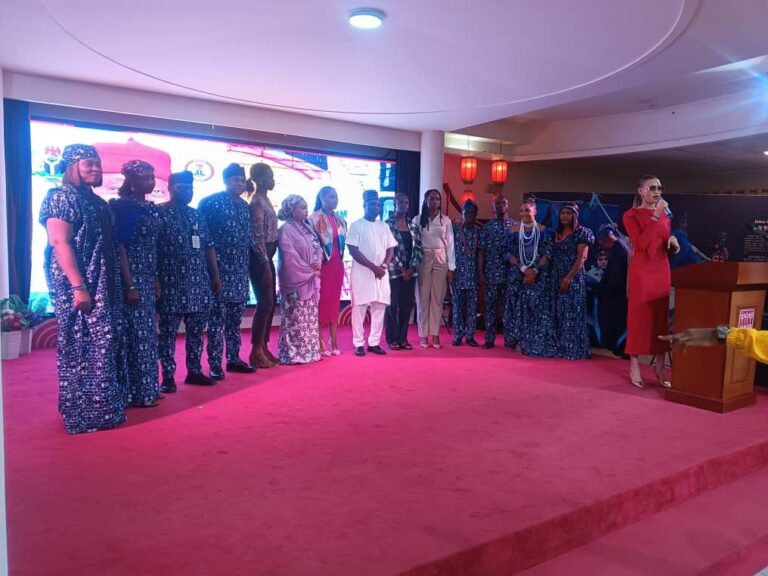
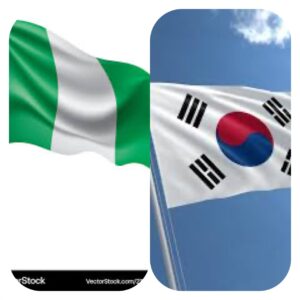
Government of South Korea has disclosed its ongoing moves to foster new partnerships with Nigerian institutions, cultural leaderships and also strengthen youth engagements.

The latest move is part of the efforts put in place by the Korea Cultural Centre Nigeria (KCCN) to mark its 15th year anniversary in Nigeria,

The director KCCN, Mr. Kim Changki, who spoke at the opening ceremony of events lined up to mark the Centre’s anniversary in Abuja, appreciated Nigeria and Nigerians for embracing the Korean culture, as he urged them to support the drive to rewrite the story of unity, culture, and creativity amongst Korea and Nigeria

He said: “15 years ago, in 2010, we opened the doors of the Korean Cultural Center here in Abuja, and we planted a seed, a hope to build bridges between Korea and Nigeria through culture, education, and friendship.

“Today, the seed has grown into a vibrant edifice bearing the rich fruits of collaboration. From K-pop to Korean cuisine, language classes, to film screenings, indoor and outdoor events.

“Our mission has always been clear, to share Korea’s heart with Nigeria. This journey has not been ours alone

“It has been made possible by your support; the Nigerian people, our partners, artists, students, diplomatic community, and of course, our cultural institutes, who have welcomed Korean culture with open hearts.

“As we look ahead, we affirm our commitment to deepening this cultural exchange. Together, let us continue to write the story of unity, culture, and creativity.”

The Event Manager KCCN, Yunjin Lee noted that the Centre was committed to facilitating more educational and cultural exchange programmes, and also partner with Nigerian institutions on both art and instrument exhibitions, film festivals amongst many other cultural programmes.

She said: “We’re going to present more about Nigerian side so that we can facilitate more about cultural exchange. People can be more related with the K-food because there’s a lot of similarities. These days, when you search on internet, it’s really easier to find the recipes so I think there can be more exchanges.

“There is an upcoming educational programme in KCCN, the K-pop academy so i think we can focus on exchanges between the youths because we are having a lot of educational programmes and youths are really important in the future.

Immigration, Customs, Police, Others Meet to Strategize on Ending Insecurity in the Gulf of Guinea

The Nigeria Immigration Service (NIS), the Nigeria Customs Service, the Nigeria Police Force and other international security organisations are currently in talks on strategic moves to combat terrorism and other criminal activities on the Gulf of Guinea (GoG).

Speaking in Lagos at the opening ceremony of ongoing Regional Workshop on Maritime Border security organised by the NIS on Tuesday, Comptroller-General of the Nigeria Immigration Service, Mrs Kemi Nandap said the workshop emphasizes the collective resolve of governments in West and Central Africa to tackle piracy, terrorism, illicit flow of arms, migrant smuggling, human trafficking and stowaway, among other transnational organised crimes.

Nandap also noted that the Atlantic coast of the Gulf of Guinea, particularly near Nigeria, is notorious for piracy and other maritime crimes.

At the workshop themed: “Maritime Security in the Context of Counter-Terrorism in the Gulf of Guinea.”  the NIS boss stated that maritime insecurity from illegal oil bunkering, fishing, piracy, armed robbery, and oil-related crimes is threatening vessel and crew safety, adding that these threats undermine regional stability and hinder economic growth and integration.

She said: “The theme of this Workshop, Maritime Border Security in the Context of Counter-Terrorism in the Gulf of Guinea, is apt and timely in evaluating and rethinking security under the present circumstances of evolving maritime threats in the Gulf of Guinea (GoG).

“In addition, the ECOWAS Sub-Committee of Chiefs of Naval Staff meeting was held in Praia, Cabo Verde, from February 25 to 27, 2025, to discuss critical maritime security issues in the region.

“This Workshop further emphasizes our collective resolve to tackle piracy, terrorism, illicit flow of arms, migrant smuggling, human trafficking and stowaway, among other transnational organised crimes. We aim to achieve this through sound policies, capacity building, community engagement, collaboration, and regional partnerships.

“Along West Africa’s Atlantic coast, the Gulf of Guinea is known for piracy, especially near Nigeria. It spans several countries, including Cameroon, Equatorial Guinea, Gabon, São Tomé and Príncipe, Ivory Coast, Togo, Benin, and Ghana. Due to its offshore oil and gas reserves, the region plays a crucial role in the global energy sector. Beyond oil and gas, harnessing the economic potential of the GoG resonates with Agenda 2063: the Africa We Want, and the 2050 African Integrated Marine Strategy, Policy Framework, and Reform strategy for fisheries and aquaculture in Africa. However, maritime insecurity from illegal oil bunkering, fishing, piracy, armed robbery, and oil-related crimes threaten vessel and crew safety.

“These threats undermine regional stability and hinder economic growth and integration. And this is the reason why we are gathered here today to find actionable solutions.

“As the Comptroller-General of the Nigeria Immigration Service, I know the urgent priority of innovating countermeasures by deploying advanced surveillance systems and communication technologies for early detection and response.

“Mitigating maritime threats in this vital region requires a broad spectrum of initiatives, not limited to international collaboration but fortifying defence capabilities in the marine domain. The NIS plays a pivotal role in maritime border security while ensuring that foreign terrorist fighters and other criminal elements do not exploit our territorial integrity.

“Passenger facilitation and control of travel documents are the root of all counter-terrorist interventions. We will continue to prioritize cooperation, professionalism, and deployment of cutting-edge technologies in the surveillance and management of our borders.

“Our gathering shows our commitment to AIMS 2050 and ECOWAS’s Gulf of Guinea strategy. We aim to create a peaceful maritime environment to maximize blue economy potential and achieve social, environmental, and economic goals in the Gulf of Guinea. The Nigeria Immigration Service is dedicated to utilizing API/PNR for better intelligence sharing and strengthen maritime security though robust visa administration where applicable.

“We recognize its benefits for air-border security and will expand our Border Management Information System (BMIS) to marine frontiers to counter international threats in the GoG.

“Our threats are transnational, and so must be our response. No agency or government involved in border security and migration management can operate independently. The NIS is committed to collaborating with regional and global partners to facilitate safe, orderly, and regular migration at sea without compromising security.

“Let us conclude this workshop with clear action plans, stronger partnerships, and a renewed determination to secure the Gulf of Guinea for prosperity and peace.”

As the Nigeria Immigration Service and its sister agencies await the compendium of good practices from the workshop, it is envisaged that the compilation should focus on strengthening cooperation among states, adhering to relevant international conventions and protocols, establishing joint task forces and intelligence fusion centres, building capacity, and deployment of advance technology as outlined in the Yaounde Code of Conduct 2013 and the ECOWAS Integrated Maritime Strategy.

Similarly, the Comptroller General of the Nigeria Customs Service, Mr. Adewale Adeniyi, emphasized the need to close existing gaps in the country’s financial system, noting that terrorists have exploited these loopholes to fund their activities.

Speaking to journalists at the workshop, the Inspector General of Police, Mr. Kayode Egbetokun, disclosed that the Police have finalized plans to strengthen marine security operations.

On his part, the minister for interior, Hon. Olubunmi Tunji-Ojo, while declaring the event opened, appreciated the NIS for taking the lead in the needed move to review the country’s border strategic policy. He emphasized the importance of border security in the general wellbeing of Nigerians, while reiterating the readiness of the federal government to take difficult decisions in protecting the Nigerian border.

The gathering has in attendance, security and intelligence agent from Italy, Philippines, Mauritius, Togo, Britain, Cameroun, Ghana, Cote d’Ivoire, Benin Republic, Seirra leone, Sao Tome, Germany and Denmark.

Federal polytechnic Oko Rector strengthens ties with Ufuma community

By Sunny A. David, Awka

Federal Polytechnic Oko Rector, Dr. Chioma Irene Awuzie, made a historic visit to Igwe Chika Uchime, Diji III of Ufuma, solidifying the relationship between the institution and the host community.

This was Dr. Awuzie’s first engagement with the traditional leadership since taking office three months prior.

The visit, held at the Royal Palace, showcased a warm welcome from the Igwe and his cabinet.

The occasion celebrated cultural exchange and traditional hospitality. Dr. Awuzie presented gifts to the Igwe, expressing the polytechnic’s gratitude for Ufuma’s support.

She emphasized the visit’s purpose of fostering closer collaboration and highlighted the polytechnic’s dedication to improving the Ufuma campus.

Dr. Awuzie also addressed persistent security concerns, including equipment theft, and sought the community’s partnership in resolving these issues.

The Igwe, in response, suggested including Ufuma natives in the campus security team to enhance protection.

He pledged the community’s full support to safeguard the polytechnic’s assets and promote shared progress.

The visit strengthened the growing partnership between the institution and the community, united by mutual trust and shared development goals.

Oborevwori: Creating An enabling Investment environment in Delta

By Festus Ahon

Governor Sheriff Oborevwori’s administration in Delta State continues to demonstrate a firm commitment to building a stable, secure, and investor-friendly environment. Acknowledging that sustainable economic development and investor confidence are heavily dependent on factors as infrastructure, peace, security, and administrative efficiency, the government has launched a series of deliberate initiatives designed to position Delta as a preferred destination for both domestic and international investments.

Delta State, endowed with vast human and natural resources, has always had significant economic potential. However, harnessing that potential requires visionary leadership, strategic planning and consistent execution.

Governor Oborevwori has shown a keen understanding of this reality. Under his leadership, the state is laying a strong foundation through infrastructure renewal, enhancement of security operations, peace building efforts, and institutional reforms that address long-standing bureaucratic challenges.

His approach is in line with international standards for creating an enabling investment climate, with emphasis on transparency, ease of doing business, and collaborative public-private partnerships.

A key focus of the administration has been the development of critical infrastructure across the state. Strategic road construction and rehabilitation projects have transformed the connectivity landscape. Some of the roads linking industrial and commercial zones to agricultural belts and urban centers have completed or improved, while some are under construction, aimed at easing the transportation of goods, services, and people.

These efforts have significantly cut travel times, improved logistics, and lowered transportation costs, which are crucial factors in attracting and retaining investors.

Efforts are also being made to address the perennial challenge of unreliable electricity. The administration has taken bold steps by signing into law the State Power Sector Law which is aimed at engaging independent power producers and investing in renewable energy solutions such as mini-grid systems, especially for rural and off-grid communities.

This will alleviate the pressure on the national grid, while providing reliable energy to businesses and communities that previously lacked access. It is a common knowledge that a stable and expanded power supply will foster growth in sectors such as manufacturing, agro-processing, and small and medium-scale enterprises.

To promote industrialization, the government has initiated the development of industrial parks and is supporting the creation of Special Economic Zones in Kwale and Koko. These zones are strategically located and equipped with essential utilities such as electricity, water, road access, and broadband internet to facilitate transaction of businesses.

In a bid to make these zones more attractive, the state government is also offering incentives such as tax reliefs, land subsidies, and expedited administrative processing for permits and registrations.

Urban renewal is also receiving significant attention. The modernization of drainage systems, improvements in waste management, and upgrades in urban transportation have not only enhanced the functionality of major towns and cities but also improved aesthetics and sanitation, creating an inviting environment for real estate and service-based investments.

The government recognizes that security is a non-negotiable prerequisite for investment. Governor Oborevwori has undertaken far-reaching reforms to strengthen internal security and law enforcement capacity across the state.

A cornerstone of this effort is the donation of patrol vehicles to the security outfit, code named “Operation Delta Sweep”, a combined security body made up of men from the Nigeria Police Force, the Nigerian Army, Civil Defence Corps etc.

This has significantly improved the operational effectiveness, mobility, and response time of the security agencies, enabling them to better patrol the state and combat crime. These vehicles have been strategically deployed to ensure equitable coverage of both urban centers and rural communities.

In addition to the provision of vehicles, the administration supports security agencies in the state with fuel, maintenance, communications equipment, and accommodation, thereby addressing logistical constraints that typically hamper operational efficiency.

The revitalization and expansion of police posts and military outposts in border towns, highways and oil-producing areas have further enhanced deterrence, community protection, and quick response to emerging threats.

This proactive approach to security has made Delta State one of the more stable States in Nigeria, thereby increasing its attractiveness to investors.

Beyond physical security, Governor Oborevwori’s administration has embraced a broader peace building strategy aimed at fostering social cohesion and conflict prevention. The government regularly engages community leaders, civil society groups, and residents through town hall meetings and stakeholder forums to identify potential flashpoints and resolve disputes before they escalate. This inclusive approach to governance has created a sense of belonging among the people, strengthening the social fabric and reducing the incidence of communal unrest.

Recognizing the critical role of youth in state development, the administration has launched several empowerment initiatives aimed at equipping young people with the skills and opportunities necessary to lead productive lives.

Vocational training centers, startup grants, and employment schemes have been rolled out across the state. Young people are also being integrated into state-led projects and encouraged to participate in innovation-driven sectors such as ICT, creative arts, and sports. These initiatives not only reduce youth unemployment but also serve as a tool for crime prevention and social stability.

Traditional institutions, deeply embedded in the socio-cultural framework of Delta State, are also playing a pivotal role in the government’s peace strategy. By partnering traditional rulers and community leaders, the administration has created grassroots-based systems of conflict resolution and community policing. These local institutions serve as trusted mediators in dispute resolution and help foster respect for the rule of law and cultural values.

Governor Oborevwori’s administration has not stopped at security and infrastructure. It has also pursued significant institutional reforms that promote transparency, efficiency, and accountability.

A series of ease-of-doing-business reforms have been implemented to streamline bureaucratic processes. These include the simplification of business registration procedures, digitization of land documentation, harmonization of taxes, and the establishment of a one-stop investment facilitation center within the Delta State Investment Development Agency (DIDA). These measures have reduced the time, cost, and complexity involved in starting and operating a business in the state.

The administration is also actively encouraging private-sector involvement in infrastructure and service delivery through clear and fair public-private partnership frameworks.

By leveraging private capital and expertise, the government is implementing sustainable projects in sectors such as housing, transportation, health, and education. This collaborative model reduces the financial burden on the state, while delivering high-quality services to citizens and investors alike.

To further stimulate private investment, especially in strategic sectors as agriculture, ICT, and oil and gas, the state government has introduced targeted incentives. These include tax holidays, access to affordable land, and sector-specific investment packages.
At the same time, the administration maintains strong oversight to ensure that such incentives translate into measurable benefits for the local economy and population.

Governor Oborevwori’s approach to economic transformation in Delta State is strategic, inclusive and rooted in long-term planning. By placing equal emphasis on infrastructure development, security enhancement, social inclusion, and institutional reform, his administration has created a comprehensive framework that supports sustained investment and economic diversification.

These concerted efforts have already started yielding positive results, as evidenced by increased investor interest, rising employment opportunities, and improved living standards.

The message is clear; Delta State is open for business. With a leadership committed to innovation, peace, and inclusive growth, the state is steadily emerging as a regional economic powerhouse.

As Governor Oborevwori continues to consolidate these gains, Delta is not just building for today, but laying the groundwork for a prosperous and resilient future for generations to come.

MAIN train media CEOs, Editors and content creators on MIL integration into editorial policy

0

In its quest to strengthen the capacity of media institutions, journalists and social media content creators to develop and integrate Media and Information Literacy (MIL) Policy into their editorials and contents, the United Nations Educational, Scientific and Cultural Organisation (UNESCO) in collaboration with Media Awareness and Information For All Network (MAIN) has organised a two-day training workshop for media managers, Senior journalists and content creators in North-West Nigeria.

The training, titled, “Integrating Media and Information Literacy (MIL) into Editorial Policies of Media Organizations and Social Media Content Creators”, was declared open by the Kano State Commissioner for Information and Internal Affairs, Alhaji Ibrahim Waiya.

The Commissioner noted that there were so many media organizations operating in Nigeria, particularly online, and they have been actively performing their traditional role of informing, educating and entertaining the public.

“However, the issue of media and information literacy must be taken seriously. Media education is important. Therefore, this training workshop cannot come at a better time when many people on the street are now assuming the role of a journalist, even though they do not have any experience or professional training. All they have is just a smartphone and internet access.”

In the context of countering misinformation and disinformation, Alhaji Waiya called on all media Chief Executives and Senior Editors to put in place an operational procedure that will ensure the integrity of the information ecosystem.

The Head of Office and Representative (ai) of UNESCO Office in Abuja, Mr. Albert Mendy, described the role of media executives as pivotal. “Your leadership in promoting ethical, inclusive, and MIL-informed journalism will not only enhance the quality of news and information but will also contribute to rebuilding public trust and strengthening democratic engagement.”

The UNESCO Head of Office, represented by Ms Yachat Nuhu of the UNESCO Abuja Communication and Information Sector, urged the participants to use the workshop platform to exchange ideas, share best practices, and identify sustainable strategies for embedding MIL into the culture of journalism. “By doing so, we affirm the media’s enduring role as a public good and a cornerstone of freedom of expression.” Mr Mendy said.

He thanked the government of Kano State for always associating with UNESCO-led activities. “We would also like to express our appreciation to our implementing partner Media and Information for All Network (MAIN) for their steadfast collaboration and shared commitment to empowering media actors across Nigeria.”

The Zonal Director of National Broadcasting Commission, Alhaji Jamilu Yahaya Jega, noted, “As a regulatory body committed to fostering responsible broadcasting and content creation, we recognise that Media and information literacy represents a critical foundation for building an informed citizenry.”

Represented by the NBC Kano State Director, Alhaji Adamu Salisu, the Zonal Director affirmed that theintegration of MIL principles into editorial policies is not merely a theoretical exercise but a practical necessity.

“When media organisations and content creators embed these principles into their operational frameworks, they significantly contribute to elevating professional standards, promoting ethical practices, and enhancing public trust. This workshop, therefore, addresses one of the most pressing needs in our contemporary media ecosystem.” Alhaji Jega said.

Welcoming the participants, the Chairman of MAIN, Prof Jide Jimoh, highlighted the threats posed by widespread cases of misinformation and disinformation to ethical journalism and democratic engagement.
He urged the participants to seize the opportunity of the training to deepen their knowledge of the intersection of MIL and ethical journalism and media practice.

The training was attended by by 30 senior management staff of 25 media organisations including radio, television, newspapers and social media platforms in the seven North-Western States.

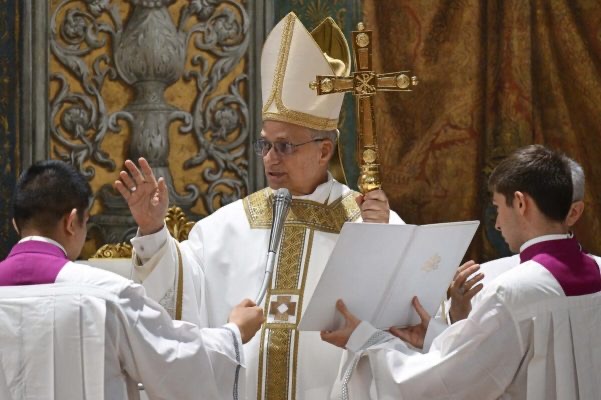
Tinubu meets catholic bishops, stresses unity for Nigeria’s growth

0

By Sunny A. David, Awka

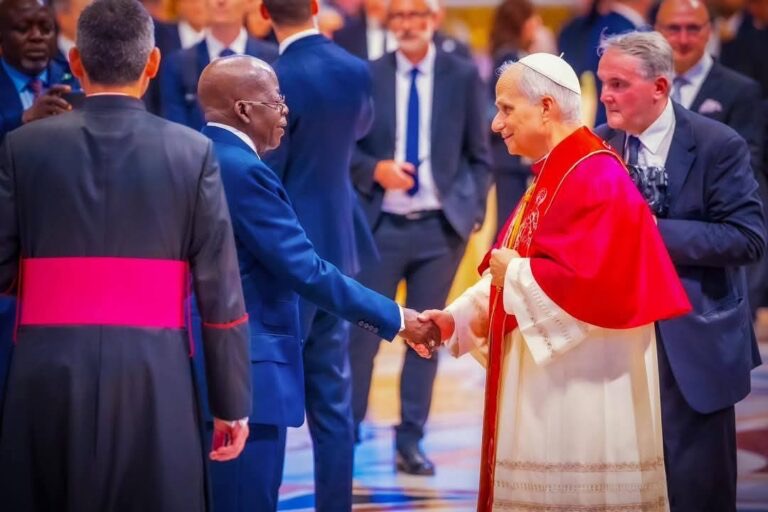
President Bola Ahmed Tinubu met with Nigeria’s Catholic Bishops in Rome, emphasizing the importance of harnessing the nation’s diversity for prosperity and stability.

During the Sunday meeting, following Pope Francis’ funeral and the inauguration of Pope Leo XIV, Tinubu called on all leaders to prioritize the well-being of Nigerians.

He stated, “If we use our diversity not for adversity but for prosperity, the country’s hope is stability and progress.”

The President described his presence in Rome during the papal transition as historic.

Archbishop Lucius Ugorji, President of the Catholic Bishops’ Conference of Nigeria, expressed gratitude for President Tinubu facilitating their Vatican visit, seeing this as the beginning of a stronger relationship between the President and the Church.

He extended an invitation to President Tinubu to future conferences in Nigeria.

The meeting included prominent
Archbishops Ignatius Kaigama of Abuja, Alfred Martins of Lagos, and Mathew Hassan Kukah, the Catholic Bishop of Sokoto Diocese, attended the meeting with the President.

Gas cylinder explosion kills one, injures six at onitsha market

0

By Sunny A. David, Awka

A gas cylinder explosion at a plumbing market on Uga Street, Onitsha Head Bridge, claimed one life and injured six others.

Preliminary investigations indicate the explosion was caused by a welding gas cylinder overheating during use.

Police and civilians immediately responded, providing aid and transporting the injured to a hospital for treatment.

The deceased has been taken to a morgue.

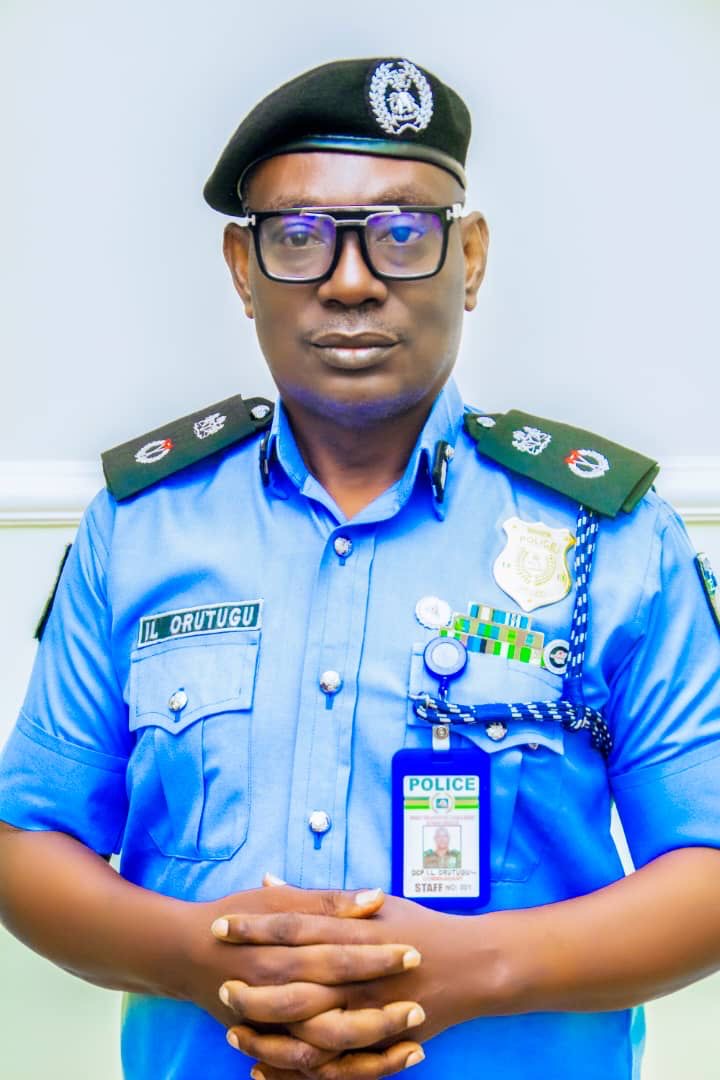
Anambra State Police Commissioner CP Ikioye Orutugu expressed deep concern and issued a public safety advisory,

He stressed the importance of regular gas cylinder maintenance, safe storage, and adherence to manufacturer guidelines.

Police spokesperson SP Tochukwu Ikenga reaffirmed the command’s commitment to public safety.

Suspected suicide or homicide? Police investigate another body found hanging in Anambra

By Sunny A. David, Awka

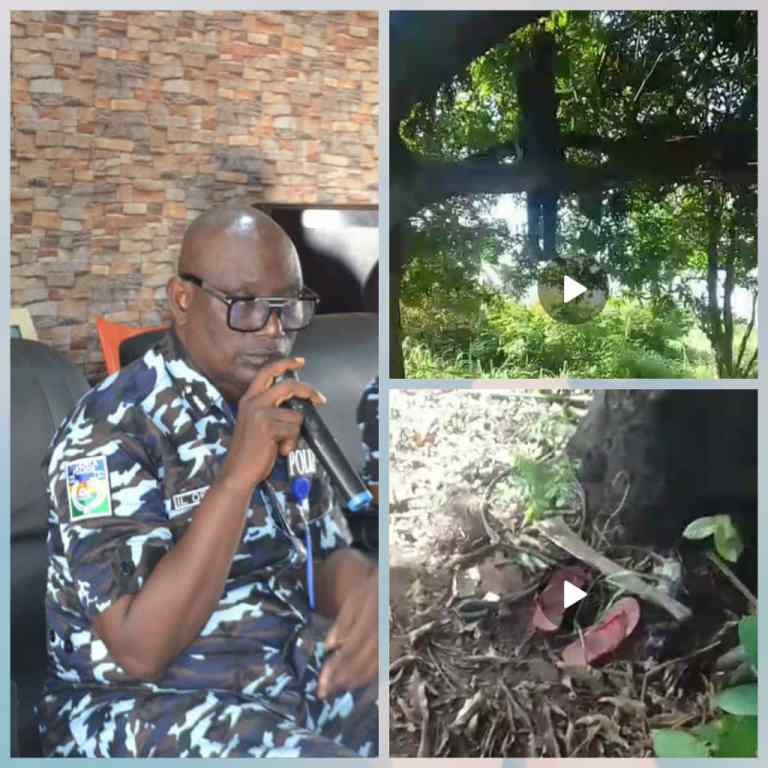
A lifeless body, yet to be identified, was found hanging from a tree in Amichi, Nnewi South Local Government Area, prompting an increase in police surveillance across the State.

This incident follows a similar discovery two weeks prior in Idemili North Local Government Area, where a pregnant woman was found hanging.

The body, discovered in a secluded area of the community, was found dangling from a mango tree.

Police received the report from an anonymous caller who used the deceased’s phone.

Anambra State Police Public Relations Officer, SP Tochukwu Ikenga, confirmed the discovery.

Commissioner of Police Ikioye Orutugu has ordered a thorough investigation into the circumstances surrounding the death and has directed increased surveillance and intelligence gathering across the State to prevent further incidents and understand the motives behind these deaths.

The body has been taken to the morgue, and police are working to contact the deceased’s family to understand the possible cause and motive.

The Police emphasized their commitment to maintaining public safety and bringing anyone responsible for criminal activity to justice.

Police say they will issue further updates as the investigation progresses.

APC chieftain Chief Emma Ejiofor Hails Sen. Ned Nwoko as visionary leader, boost for party in Delta

BY AUSTIN OYIBODE

Chief Emma Ejiofor, a respected APC chieftain, has praised Senator Ned Nwoko as a visionary leader, calling his move to the APC a major boost for the party and progressive politics in Delta State.

Speaking in an exclusive interview, Chief Ejiofor offered a glowing assessment of Senator Nwoko’s leadership, integrity, and long-term vision for his constituents and the broader Anioma region.

According to Ejiofor, Senator Nwoko’s approach to governance is centered not on personal gain but on laying solid foundations for sustainable development.

“Nwoko is not like any other politician. He is pragmatic. He is a visionary leader. He does things that will outlive him,” Chief Ejiofor said. “He’s not driven by immediate political rewards. He thinks beyond the now, and his loyalty is to the people, not just the system.”

Senator Nwoko, who recently defected from the Peoples Democratic Party (PDP) to the APC, has been at the center of several key infrastructure and developmental initiatives in Delta North.

His move to the ruling party has sparked excitement among APC loyalists, many of whom view his entry as a strengthening of the party’s position ahead of future electoral contests.

Ejiofor highlighted the Senator’s quiet but strategic role in pushing the Oko-Patani Road Project, valued at over N28 billion, into the national budget—a development he said would open up the local economy and provide lasting benefits for communities along the route.

“He’s doing these things without making noise,” Ejiofor noted. “That road alone will change the economy of the region. Add the Okpa Power Plant to that, and you’re looking at long-term, life-changing infrastructure.”

According to Ejiofor, Nwoko’s passion for development stands in stark contrast to politicians who are content with holding office for prestige and personal aggrandizement.

“Some people just wanted him to go there and answer a name. But Ned went to the Senate to organize his people, attract development, and give us a voice at the federal level,” he said. “And that voice is what we’ve been lacking for years.”
Chief Ejiofor also used the opportunity to challenge leaders across Delta—Senators, House of Representatives members, and State Assembly members—to come together in unity and draw up a regional roadmap for development.

He argued that strategic alignment would prevent duplication of efforts and help maximize government resources for the benefit of the people.
“We need a coordinated plan. Let our lawmakers sit together—state and federal—and say: this is our roadmap. This is how we move Anioma forward. That’s the only way we’ll see massive development.”
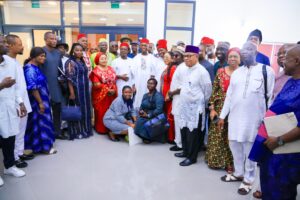
Ejiofor dismissed critics of Senator Nwoko, describing them as elements resistant to progress and threatened by a new kind of politics that prioritizes transparency, legacy, and results.

“You don’t become a visionary and a transactional leader at the same time,” he said. “Ned is a visionary and progressive leader.”

He added that he had never taken a dime from the Senator, emphasizing that his support is based solely on Nwoko’s character and track records of transparency and integrity.

“I’ve never touched his one Naira. People are against him because he is doing what they couldn’t do. He is not interested in sharing money—he’s interested in building lasting and enduring legacies.”

In a final flourish, Ejiofor described Nwoko as “Odogwu Anioma,” a title that signifies strength, courage, and leadership. He even likened the Senator to artificial intelligence for his forward-thinking approach.

“People are talking about AI. Ned is AI. He’s too advanced for the kind of thinking most of us are used to. He’s already operating on a higher level, and that’s why Anioma State is not just an idea—it’s a done deal.”

As Senator Nwoko settles into his new political home within the APC, his entrance is already beginning to reshape conversations about leadership, development, and the future of the Anioma region.

With strong endorsements from leaders like Chief Ejiofor, the lawmaker’s influence within the party—and across Delta State—is set to grow.

Anambra State security forces repel attack, killing two gunmen

By Sunny A. David, Awka

A deadly attack on a security checkpoint in Isuofia, Aguata LGA, on May 15, 2025, was repelled by Anambra’s Joint Security Team, resulting in the deaths of two gunmen and one security operative.

According to Police Public Relations Officer (PPRO) SP Tochukwu Ikenga, a gun battle ensued after armed criminals attacked the checkpoint.

The security forces neutralized two assailants, but unfortunately suffered one casualty.

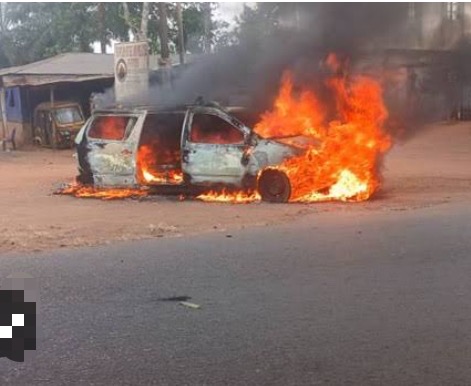
The attackers set ablaze a security vehicle before fleeing, abandoning their own Toyota Sienna in the process.

Anambra State Commissioner of Police CP Ikioye Orutugu condemned the attack, calling it a challenge to the State’s commitment to security.

He assured the public that a manhunt is underway for the remaining attackers and that additional security personnel have been deployed to the area.

Calm has been restored, and the CP urged residents to remain vigilant and report suspicious activity.

Diaspora Legislation Gains as Sen. Nwoko Supports Citizenship, Voting Reforms

0

Abuja, Nigeria – May 17, 2025

BY AUSTIN OYIBODE

Senator Ned Nwoko, Chairman of the Senate Committee on Reparation and Repatriation, has voiced strong support for a proposed bill seeking to grant Nigerian citizenship to Afro-descendants who can trace their ancestral roots to the country.

The bill was formally presented to the senator midweek by a delegation from the African Diasporan Union during a courtesy visit to the National Assembly.

The proposed legislation aims to recognize and integrate members of the African diaspora whose lineage connects them to Nigeria, as part of broader efforts to strengthen cultural and historical ties.

“I assured them of my support while noting the importance of aligning such proposals with our constitutional and legal processes,” Senator Nwoko said in a statement following the meeting.

As head of the Senate committee tasked with addressing matters of reparation and repatriation, Senator Nwoko emphasized the need for his office to “serve the people meaningfully.”

According to him, the initiative could become a significant step toward reconnecting the African diaspora with their roots.

In a related legislative push, the senator also revealed that he has introduced a separate bill aimed at granting voting rights to Nigerians living abroad. The bill is currently under deliberation in the Senate.

If passed, both proposals could mark landmark progress in Nigeria’s engagement with its diaspora community and descendants of the transatlantic slave trade.


26 YEARS OF DECEIT: THE APPALLING LEGACY OF POLITICAL HYPOCRISY AND BETRAYAL IN DELTA STATE.

Nigerian politics, woven with a fabric of ambition and manipulation, presents a landscape where sincerity is often a fleeting shadow. In a climate where self-interest reigns supreme, the behaviours of politicians reveal an insatiable appetite for power, all while cloaking themselves in the veneer of morality. This charade unravels with alarming clarity, exposing a level of egocentricity that can no longer be ignored as they promise change yet perpetuate the status quo.

The recent seismic shift in Delta State, marked by the exodus of influential players from the People’s Democratic Party (PDP) to the All Progressives Congress (APC), highlights a narrative steeped in cunning and duplicity. Assertions of ambition like “dem nor get level na” and “we will take over the party structure” echo not just a desire for power, but a troubling arrogance that pervades the discourse. The political theater has grown increasingly complex since our Governor, His Excellency Sheriff Francis Oborevwori, made headlines with his defection from the PDP to the APC in Asaba. While some close allies embraced this pivotal change, the majority of local leaders remain anchored to their past affiliations, engaging in shallow performances that mask their reluctance to enact meaningful change within their constituencies.

Our governor rightfully stakes his claim on the political landscape of Delta, but many local leaders, dazzled by the allure of power, seem unwilling to abandon their safety nets. Their strategy resembles a tightrope walk – balancing precariously with one foot in each camp, eager to jump onto the more advantageous side once it reveals itself. Their sycophantic gestures, including glitzy gatherings around his Excellency in Asaba and staged photo opportunities with APC stalwarts in Abuja, fail to establish a foundation of true loyalty. This begs the critical question: do they recognize the duplicity that shrouds their every move, or have they become willfully blind to the implications of their actions?

This this commentary, aptly titled; “26 Years of Deceit: The Appalling Legacy of Political Hypocrisy and Betrayal in Delta State”, we navigate the murky waters of political intrigue that have characterized the past two and a half decades, a saga of betrayal and heartache inflicted on their constituents by these turncoats. It unearths the tragic dynamic between leaders and their followers, who have been systematically neglected while these politicians gorge themselves on the resources of the state. The blind allegiance displayed by some sections of the electorate, unable to discern their subservience from genuine loyalty, further complicates this tale. Their unwarranted dependency on thoroughly corrupt leaders has ensnared them in a cycle of dysfunction, leaving them unable to liberate themselves from the chains of ignorance.

As Othman Dan Fodio astutely remarked, “conscience is an open wound that can only be healed by the truth.” Yet, the self-proclaimed champions of Delta politics appear habitually stripped of conscience. Compounding their plight is a growing compendium of corruption allegations surrounding several prominent officials, casting a long shadow over the motives behind their sudden alignment with the APC. This drastic pivot seems more an act of self-preservation in the face of scrutiny than a genuine commitment to the core values espoused by the APC. As our former political leaders wrestle with their identity crises, one undeniable truth looms over them: the wrath of a concerned electorate waits for no one, and there is no refuge for the wicked.

The palpable uncertainty surrounding their political moves not only reveals their opportunistic tendencies but also highlights their trepidation. Many defectors hesitate to formalize their departure from the PDP, revealing a lack of both courage and conviction. To find a place of relevance within the APC, they must fully embrace the values of true progressiveness – a transformation that is essential for the vitality of the party, which prides itself on principles of integrity and unity. The APC must adopt a discerning lens to recognize and address the double dealings of individuals who are eager to exploit the party for their gains.

At this pivotal moment, Governor Oborevwori must hasten the discussions regarding the terms of his defection to the APC and urgently instruct council chairmen and local leaders to follow suit. Integrating former APC members into significant appointments is an essential step. Failure to act decisively could jeopardize vital alliances critical to the party’s success.

To maintain its integrity, the APC must ensure that a formal resignation from the defectors is obtained before they are officially welcomed into the party ranks. After all, history teaches us that the cleverest thieves often devise the most intricate plans to deceive.

As we traverse this labyrinthine narrative woven from deceit and political opportunism, it is paramount to echo the timeless wisdom of reggae legend Bob Marley: “You can fool some of the people sometimes, but you cannot fool all the people all the time.” Effective governance demands a steadfast commitment to transparency and accountability. The people of Delta must remain vigilant, continually challenging their leaders to uphold their promises and act in the best interests of those they serve. Only through unwavering dedication to the welfare of its citizens can the cycle of betrayal be dismantled, heralding a new era of political integrity and social prosperity.

26 YEARS OF DECEIT: THE APPALLING LEGACY OF POLITICAL HYPOCRISY AND BETRAYAL IN DELTA STATE.

Nigerian politics, woven with a fabric of ambition and manipulation, presents a landscape where sincerity is often a fleeting shadow. In a climate where self-interest reigns supreme, the behaviours of politicians reveal an insatiable appetite for power, all while cloaking themselves in the veneer of morality. This charade unravels with alarming clarity, exposing a level of egocentricity that can no longer be ignored as they promise change yet perpetuate the status quo.

The recent seismic shift in Delta State, marked by the exodus of influential players from the People’s Democratic Party (PDP) to the All Progressives Congress (APC), highlights a narrative steeped in cunning and duplicity. Assertions of ambition like “dem nor get level na” and “we will take over the party structure” echo not just a desire for power, but a troubling arrogance that pervades the discourse. The political theater has grown increasingly complex since our Governor, His Excellency Sheriff Francis Oborevwori, made headlines with his defection from the PDP to the APC in Asaba. While some close allies embraced this pivotal change, the majority of local leaders remain anchored to their past affiliations, engaging in shallow performances that mask their reluctance to enact meaningful change within their constituencies.

Our governor rightfully stakes his claim on the political landscape of Delta, but many local leaders, dazzled by the allure of power, seem unwilling to abandon their safety nets. Their strategy resembles a tightrope walk – balancing precariously with one foot in each camp, eager to jump onto the more advantageous side once it reveals itself. Their sycophantic gestures, including glitzy gatherings around his Excellency in Asaba and staged photo opportunities with APC stalwarts in Abuja, fail to establish a foundation of true loyalty. This begs the critical question: do they recognize the duplicity that shrouds their every move, or have they become willfully blind to the implications of their actions?

This this commentary, aptly titled; “26 Years of Deceit: The Appalling Legacy of Political Hypocrisy and Betrayal in Delta State”, we navigate the murky waters of political intrigue that have characterized the past two and a half decades, a saga of betrayal and heartache inflicted on their constituents by these turncoats. It unearths the tragic dynamic between leaders and their followers, who have been systematically neglected while these politicians gorge themselves on the resources of the state. The blind allegiance displayed by some sections of the electorate, unable to discern their subservience from genuine loyalty, further complicates this tale. Their unwarranted dependency on thoroughly corrupt leaders has ensnared them in a cycle of dysfunction, leaving them unable to liberate themselves from the chains of ignorance.

As Othman Dan Fodio astutely remarked, “conscience is an open wound that can only be healed by the truth.” Yet, the self-proclaimed champions of Delta politics appear habitually stripped of conscience. Compounding their plight is a growing compendium of corruption allegations surrounding several prominent officials, casting a long shadow over the motives behind their sudden alignment with the APC. This drastic pivot seems more an act of self-preservation in the face of scrutiny than a genuine commitment to the core values espoused by the APC. As our former political leaders wrestle with their identity crises, one undeniable truth looms over them: the wrath of a concerned electorate waits for no one, and there is no refuge for the wicked.

The palpable uncertainty surrounding their political moves not only reveals their opportunistic tendencies but also highlights their trepidation. Many defectors hesitate to formalize their departure from the PDP, revealing a lack of both courage and conviction. To find a place of relevance within the APC, they must fully embrace the values of true progressiveness – a transformation that is essential for the vitality of the party, which prides itself on principles of integrity and unity. The APC must adopt a discerning lens to recognize and address the double dealings of individuals who are eager to exploit the party for their gains.

At this pivotal moment, Governor Oborevwori must hasten the discussions regarding the terms of his defection to the APC and urgently instruct council chairmen and local leaders to follow suit. Integrating former APC members into significant appointments is an essential step. Failure to act decisively could jeopardize vital alliances critical to the party’s success.

To maintain its integrity, the APC must ensure that a formal resignation from the defectors is obtained before they are officially welcomed into the party ranks. After all, history teaches us that the cleverest thieves often devise the most intricate plans to deceive.

As we traverse this labyrinthine narrative woven from deceit and political opportunism, it is paramount to echo the timeless wisdom of reggae legend Bob Marley: “You can fool some of the people sometimes, but you cannot fool all the people all the time.” Effective governance demands a steadfast commitment to transparency and accountability. The people of Delta must remain vigilant, continually challenging their leaders to uphold their promises and act in the best interests of those they serve. Only through unwavering dedication to the welfare of its citizens can the cycle of betrayal be dismantled, heralding a new era of political integrity and social prosperity.

 *Hon. Prince Augustine Edumogiren writes from Ayakoromo Town in Delta State.

May 13, 2025.

writes from Ayakoromo Town in Delta State.

May 13, 2025.

When Shettima’s domestic initiatives test the consciousness of political leadership

By: Dr. James Bwala

Beyond the superficial rhetoric surrounding attendance at weddings and condolences, Shettima’s domestic engagements reveal a profound commitment to loyalty that transcends mere social obligation. In many political contexts, such public displays are often dismissed as symbolic gestures; however, Shettima’s consistent presence at such intimate events within his community underscores a deliberate strategy to nurture trust and solidarity among his constituents. This approach reflects an understanding of loyalty not just as political allegiance but as an embedded social contract reinforced through personal interactions.

Shettima’s attentiveness to family and community milestones functions as a tangible manifestation of reciprocal respect and support, which are critical in sustaining long-term alliances. Such engagements contribute significantly to consolidating political capital by fostering emotional bonds that formal political processes alone cannot achieve. Consequently, these actions speak volumes about his leadership style—one that privileges relational depth over performative politics.

In sum, analyzing Shettima’s attendance at weddings and condolence visits reveals how domestic engagements serve as vital arenas for demonstrating loyalty. By prioritizing these personal connections, Shettima solidifies a foundation of trust critical for effective leadership in complex socio-political landscapes. This dynamic illustrates the intricate interplay between private gestures and public loyalty within contemporary governance frameworks. By fostering these personal relationships, Shettima effectively bridges the gap between political expectations and genuine community engagement.

Through these actions, Shettima not only reinforces his political standing but also cultivates a sense of communal belonging that resonates deeply with the cultural ethos of his community. Such commitment to personal engagements underscores a nuanced understanding of leadership that prioritizes genuine human connection over mere ceremonial presence. In doing so, he navigates the delicate balance between fulfilling public duties and nurturing private relationships, thereby crafting a leadership approach that is both holistic and deeply rooted in the cultural fabric of his society.

This approach not only enhances his reputation as a leader who values interpersonal relationships but also aligns with the traditional expectations of leadership within his cultural milieu. Furthermore, by embedding himself in the social fabric through these engagements, Shettima exemplifies a leadership model that transcends conventional political paradigms. Moreover, Shettima’s consistent presence at both celebratory and somber occasions highlights his commitment to honoring the full spectrum of human experiences within the traditional African community.

By engaging consistently and meaningfully in these personal and community events, Shettima demonstrates a profound respect for the social customs that underpin his society’s values, thereby reinforcing a leadership style that is both empathetic and culturally resonant. This dedication to participating in life’s pivotal moments not only fortifies his bonds with constituents but also serves as a testament to the sincerity of his loyalty. Through this ongoing engagement, he not only strengthens his personal connections but also exemplifies a political ethos that prioritizes genuine human connection over mere rhetorical gestures.

In attending weddings and offering condolences, Shettima demonstrates a profound understanding of the social fabric that binds the African community, transcending superficial political maneuvering to foster a legacy of trust and solidarity. His consistent presence at such personal events signals a deeper allegiance to the people he serves, reinforcing his role as not just a political figure but a committed member of the community.

Through his unwavering presence at both joyous celebrations and somber gatherings, Shettima demonstrates a profound understanding of the cultural significance these events hold within the fabric of society. Shettima’s actions underscore a leadership philosophy that values authentic relationships, illustrating how personal involvement can transcend political rhetoric to create lasting community bonds. This approach to leadership—rooted in personal connection and cultural sensitivity—sends a powerful message about the true essence of loyalty, which is built on trust, respect, and genuine care for the well-being of others.

The Vice President’s approach highlights the importance of being present in both triumph and tragedy, reinforcing a leadership style that is deeply intertwined with the communal experiences and emotions of his constituents. In a political landscape often dominated by spectacle and posturing, Shettima’s commitment to engaging with his community on such an intimate level speaks volumes about the authenticity of his leadership. In doing so, he not only honors the traditions and values of his community but also solidifies a foundation of mutual respect and unwavering support.

His consistent engagement in these personal milestones not only reinforces his dedication but also exemplifies a model of leadership that prioritizes human connection over political convenience. His dedication to fostering these genuine connections reveals an understanding that true leadership is not merely about public appearances but about cultivating a sense of belonging and shared purpose. By weaving his personal engagements into the broader narrative of political duty, Shettima exemplifies a leadership style that prioritizes empathy and shared humanity, setting a standard for others to follow.

In recognizing the profound impact of these personal connections, Shettima not only strengthens his political alliances but also nurtures a community bonded by shared experiences and mutual understanding. Shettima’s domestic engagements serve as a testament to the power of loyalty and community cohesion in an era where such values are often overshadowed by political expediency. In an era where political figures often prioritize optics over substance, Shettima’s approach underscores a profound respect for the essential human connections that underpin effective governance.

* James Bwala, PhD, writes from Abuja.

Ned Nwoko says Nigeria’s crude oil theft is national emergency that must end @Senate Ad-hoc C’ttee on Crude Oil Theft public hearing

BY AUSTIN OYIBODE

In a stirring address at the National Assembly on Thursday, Senator Ned Nwoko described Nigeria’s rampant crude oil theft crisis as a national emergency that must be brought to an end.

Speaking during a public hearing of the Senate Ad-hoc Committee on Crude Oil Theft, which he chairs, Senator Nwoko underscored the devastating economic and environmental toll of the illicit trade and pledged sweeping reforms to curb its spread.

“When I moved the motion that led to the formation of this committee, I knew it wasn’t just about stolen barrels—it’s about stolen futures,” said Nwoko. “Nigeria is bleeding resources daily, and our people are paying the price.”

The public hearing, held in Abuja, brought together a wide range of stakeholders, including representatives from government ministries, security agencies, oil regulatory bodies, host communities, and industry experts. The session marked a critical phase in the Senate’s push to uncover the scale and roots of oil theft and propose actionable solutions.

Senator Nwoko painted a grim picture of the crisis: billions of dollars in annual losses, widespread pipeline vandalism, illegal bunkering, and weak surveillance systems.

“The scale of oil theft in Nigeria is not only shameful, it is dangerous. It cripples our economy, devalues our currency, destroys the environment, and deepens poverty in communities that should be thriving from the wealth beneath their feet,” he said.

He noted that while technical and forensic investigations are underway to trace stolen crude oil from source to illicit sale—including tracking proceeds through international banking networks—the public hearing aimed to promote transparency and accountability.

“This committee is not here to trade blames or make excuses,” Nwoko said. “We are here to dismantle a criminal economy, restore sanity to the oil and gas sector, and protect what belongs to the Nigerian people.”

Among the committee’s priorities, according to Nwoko, are reforms to strengthen institutions, enforce stricter penalties, and ensure that host communities are no longer marginalized in the distribution of oil wealth.

As Nigeria continues to battle economic instability and a depreciating currency, the loss of revenue from crude oil—the country’s primary export—remains a major concern. Nwoko stressed that addressing oil theft is key to reversing the nation’s fortunes.

“We are listening. We are acting. And we will not stop until this tide is turned,” he vowed.

While delivering the opening address, President of the Senate, Senator Godswill Akpabio, said the Nigerian Senate is considering the enforcement of stiffer penalties against oil theft.

Represented by Deputy Senate President, Senator Barau Jibrin (APC, Kano North), Akpabio said the 10th National Assembly will do all within its powers to safeguard the Nigerian economy.

He said, “We are prepared to strengthen laws, enhance oversight functions and ensure that agencies responsible for protecting our oil assets are held accountable.”

According to him, the Senate is considering stiffer penalties for oil theft, with terrorism charges for major offenders and compulsory digital metering and real-time monitoring of oil production and exports.

Other measures, he listed, include greater transparency in crude oil lifting and revenue reporting; enhanced collaboration between the military, police, anti-graft agencies, and international partners to track and intercept stolen crude.

He noted that the fight against oil theft is not solely the responsibility of the government, just as he called on oil companies to invest in modern surveillance technologies and secure pipelines.

The hearing is expected to inform the committee’s final report and recommendations to the Senate in the coming weeks.

10 Thai Sailors Convicted, Fined $4.3million for Shopping 32.9kg cocaine into Nigeria

The National Drug Law Enforcement Agency (NDLEA) after over three years of prosecution at a Federal High Court in Lagos presided over by Justice Daniel Osiagor of 10 Thai sailors and their vessel named MV Chayanee Naree for trafficking 32.9 kilogrammes of cocaine from Brazil into Nigeria through the Apapa seaport, Lagos have successfully achieved victims with the conviction of the foreigners.

The convicted sailors, all nationals of Thailand are Krilerk Tanakhan; Boonlert Hansoongnern; Jakkarin Booncharoen; Thammarong Put-tlek; Worrapat Paopinta; Marut Kantaprom; Werapat Somboonying; Urkit Amsri; Panudet Jaisuk and Amrat Thawom.

They were first arraigned before the court along with nine Nigerian suspects by NDLEA in February 2022 on offences bordering on conspiracy and unlawful transportation of the illicit drug consignment from Brazil to Nigeria. The vessel, the convicted sailors and the nine Nigerians were arrested on 13th October 2021, at the Apapa port in Lagos.

The Nigerian suspects are: Samuel Messiah; Ishaya Maisamari; Ilesanmi Ayo Abbey; Osabeye Stephen; Gbenga Ogunfadeke; Kayode Buletiri; Rilwan Omotosho Liasu; Saidi Sule Alani and Jamiu Adewale Yusuf.

They were all subsequently charged to court over the illegal acts which NDLEA prosecutors argued contravened sections 11(a), 11 (b), and 14 (b) of the National Drug Law Enforcement Agency Act Cap N30 Laws of the Federation of Nigeria, 2004, and punishable under the same Act.

The convicted sailors had initially made a no-case submission which was dismissed following submissions by the prosecution that a prima facie case had been established against the vessel and its crew members. As a result, the trial judge ordered the convicted Thai sailors and others to open their defence on the charges against them.

Following the court ruling, the convicted sailors opted for a plea bargain agreement with the NDLEA and as a result, Justice Osiagor delivered his ruling at the resumed hearing of the matter yesterday.

Among other penalties, the judge convicted the Vessel MV Chayanee Naree for unlawful transportation of 32.9 kilogrammes of cocaine into Nigeria and ordered the payment a fine of $4 million or its Naira equivalent.

The 2nd – 11th defendants were convicted under section 25 of the NDLEA Act for permitting the use of the vessel for the unlawful transportation of 32.9 kilogrammes of cocaine, while the 2nd, 3rd and 4th defendants were ordered to pay N100,000 each as punishment for the offence and in addition restitution in the sum of $50,000 each or its equivalent in Naira to the Federal Government of Nigeria.

The 5th – 11th defendants are to pay N100,000 each and restitution in the sum of $30,000, bringing the total amount payable to $4,360,000

Justice Osiagor thereafter adjourned the trial of the nine Nigerian suspects to June 25.

While the prosecution was led by the agency’s Director of Prosecution and Legal Services, DCGN Theresa Asuquo, supported by A. Adebayo and Paul Awogbuyi, the defence team was led by the trio of Messrs Babajide Koku, Femi Atoyebi and Tunde Adejuyigbe, all Senior Advocates of Nigeria (SAN).

In his reaction, Chairman/Chief Executive of NDLEA, Brig Gen. Buba Marwa (Rtd) said the court ruling was a strong message to the international drug cartel and their local collaborators that Nigeria will never be a safe hub for illicit drug trafficking.

He commended the NDLEA prosecution team and officers of the Apapa Strategic Command involved in the arrest, seizure and investigation of the shipment for their diligence and resilience in following the case to a logical conclusion. He charged them not to relent in pursuing the other part of the case still pending.

Professor Nnonyelu leads UNIZIK acting vice chancellor race

By Sunny A. David, Awka

Professor Nkemdilim Austin Nnonyelu, a sociology and anthropology professor at Nnamdi Azikiwe University (UNIZIK), topped the nominations for acting Vice Chancellor on Thursday, garnering 132 votes from the university’s Senate.

Professor Carol Arinze-Umobi, a law professor and former acting VC, received 79 votes.

Other candidates and their vote totals were: Professor Ada Sam-Omenyi (63), Professor Ezinma Nnabuife (22), and Professor Nkechi Esemonu (9).

While Professor Nnonyelu’s strong showing is notable, the university council retains the ultimate decision-making power regarding the appointment.

The recent history of acting vice chancellors at UNIZIK is marked by instability.

Professor Joseph Ikechebelu’s acting tenure was twice interrupted, first by Professor Arinze Ume-Obi, and then by Professor Benard Ifeanyi Odoh, before he briefly returned to the role.

Professor Ikechebelu’s latest potential candidacy to be the substantive VC is contingent on policy guidelines from the Federal Ministry of Education, which may require a non-interested candidate to assume the acting role.

Sen. Ned Nwoko’s Sponsored NAME Passes 2nd Reading @Senate

The Senate has taken a significant step toward tackling Nigeria’s long-standing malaria crisis, as a bill to establish the National Agency for Malaria Eradication (NAME) passed its second reading on Thursday.

Sponsored by Senator Ned Nwoko (APC, Delta North), the bill—A Bill for an Act to Establish the National Agency for Malaria Eradication and for Related Matters, 2025 (SB. 172)—seeks to create a dedicated institution to drive Nigeria’s malaria response, which remains the deadliest in the world. According to the World Health Organization’s 2024 report, Nigeria accounted for over 184,000 of the 600,000 malaria deaths recorded globally last year.

Following debate, the Deputy Senate President, Senator Barau Jibrin (APC, Kano North), referred the bill to the Senate Committee on Health for further legislative work. The committee is expected to report back within four weeks.

In his lead presentation, Senator Nwoko described malaria as a national emergency, stressing that its impact extends far beyond public health. “Malaria is not merely a health issue,” he said. “It is a structural crisis that undermines maternal health, reduces workforce productivity, and stalls national progress.”

He cited alarming statistics, noting malaria contributes to approximately 11% of maternal deaths in Nigeria and remains a major cause of anaemia, stillbirths, and infant mortality. The economic cost, he warned, is also staggering, with millions of work hours lost annually, affecting businesses and overall national output.

Senator Nwoko criticized the fragmented nature of current malaria control efforts, particularly targeting the National Malaria Elimination Programme (NMEP) and the National Primary Healthcare Development Agency (NPHCDA), which he said lack the reach and capacity to mount a unified and effective response.

He argued that the scale and persistence of malaria in Nigeria demand the kind of urgent, well-funded, and coordinated effort seen during the COVID-19 pandemic. “If malaria were endemic in Europe or North America, it would not still be ravaging populations a century later,” he remarked.

The proposed agency, NAME, is envisioned as a centralized, autonomous institution with the authority and resources to:

Develop and implement a national malaria eradication strategy

Coordinate efforts across ministries, agencies, and sectors

Efficiently mobilize and manage both domestic and international funding

Support vaccine development and genetic innovations targeting malaria parasites and vectors

“This agency must be science-driven, singularly focused, and legislatively empowered to eliminate malaria in Nigeria,” Nwoko said, calling for political will to match the scale of the challenge.

The bill received wide bipartisan support. Senator Victor Umeh (LP, Anambra Central), Senator Ede Dafinone (APC, Delta Central), Senator Babangida Oseni (APC, Jigawa North West), and Senator Onyewuchi Francis (LP, Imo East) were among those who spoke in favor, describing the proposal as long overdue.

If enacted, the National Agency for Malaria Eradication would represent a historic shift in Nigeria’s approach to combating malaria, aiming to end the country’s unenviable position as the global epicenter of the disease.

Onyeme Says Malaria-Free Environment Is Achievable

0

Deputy Governor of Delta State, Sir Monday Onyeme, FCA, has said that malaria -free environment is achievable in Nigeria.

Sir Onyeme made the observation on Thursday at Asaba during an advocacy visit on Insecticide Treated Net (ITNs) Campaign, by top management of Ministry of Health and its Partners led by Dr Joseph Onojaeme, Commissioner for Health, Delta State.

“We will be glad to be the first state in Nigeria to have a malaria-free environment, and I am sure that we have very capable team to ensure that the goal is achieved

“Tell us what is expected of us and we will do it to achieve desired result because a malaria -free environment is achievable in our country.

“I want to assure you that we are ready and whatever that is required of us as a state government should be conveyed to us.

“We are ready to participate in this campaign and to take the campaign to every nook and cranny of Delta State.

“A healthy society is a wealthy society; beyond every other developmental achievement by a government, if the citizens are not healthy then everything will come to nothing.

“As a government, we are happy to see that you, as Nigerians in the health sector are carrying out your duties as lovers and keepers of your brothers.

“By coming to Delta State to carry out this campaign, it is a great assistance to us and to our citizens, it shows that you care about us.

“I want to assure you that the Delta State government is ready to partner with you to ensure that our people are healthy.”

Earlier, the Coordinating Minister of Health, Prof. Alipate Mohammed represented by the Director, Personal Management, Mr. David Oyeleke noted that, malaria remains a major public health challenge and a leading cause of mortality and morbidity in Nigeria.

He emphasized that, concerted efforts made over the years by governments around the world, development (donor) partners including the Global Fund Aids, Tuberculosis and Malaria are yielding good results, adding, that it is not over yet.

According to Prof. Alipate; “through its investment, the Global Fund has helped scale up antiretroviral therapy (ART) for people living with HIV, enhanced TB case detection and treatment, support malaria prevention campaigns, including the distribution of Insecticide-treated nets (ITNs) and access to effective malaria treatment in thirteen States which includes Delta State.”

Commissioner for Health, Delta State, Dr. Joseph Onojaeme, said that the visit was a significant high level advocacy visit and sensitization towards the Insecticide Treated Net (ITNs) mass distribution campaign.

Dr. Onojaeme noted that, malaria remains a major public health challenge in the State and across the country, accounting for a significant burden of illness death, affecting most especially the pregnant women and children under five years of age.

He said the advocacy visit was significant because it is a call for action, and a renewal of government collective resolve to eliminate malaria from the society.

“Despite the progress we have made so far, there is need to double our efforts to eliminate and prevent malaria from our society,” he noted.

The Commissioner noted that the campaign which started on April 23 would end on June 5 2025, while the governor is expected to flag off the Insecticide Treated Net campaign on May 23, 2025.

Also, the Project Director, Society for Family Health (SFH), John Ocholi, noted that, it is the 4th ITNs campaign in Delta since the country started its Net campaign.

According to him, ITN, campaign is called the scale up for impact approach to ensuring that they have the coverage needed for household to be protected using the net.

Delta govt lists milestones ahead of Oborevwori’s 2nd Term Anniversary  

Delta State Commissioner for Works (Rural Roads) and Public Information, Mr. Charles Aniagwu, has highlighted the significant strides made by the administration of Governor Sheriff Oborevwori in nearly two years in office.

Speaking at a press conference in Asaba on Thursday, Aniagwu, flanked by the Chief Press Secretary to the Governor, Sir Festus Ahon, said the administration has left “bold and remarkable footprints” across the state, particularly in rural infrastructure and public service delivery.

“In almost two years, we can see very bold and remarkable achievements by Governor Oborevwori and his team. We have provided roads in various communities, reducing travel time from Asaba to Ughelli to just one hour and forty-five minutes,” Aniagwu said.

He also noted that development projects have reached many previously underserved coastal communities.

“We were at Ode-Itsekiri, where the Trans-Warri bridges and access roads to creek communities are progressing well.

“We have also revived work on the Ayakoromo Bridge in Burutu Local Government Area, which will help connect several coastal communities to the upland,” he added.

As part of preparations to mark the administration’s second anniversary, Aniagwu announced that several projects have been lined up for inauguration. However, due to the volume of completed projects, the Governor may not be able to commission all of them personally.

“Some of the key projects include the Beneku Bridge, Ishiagu-Ewulu Road and Bridge, Upper and Lower Erejuwa Roads in Warri, erosion control in Okpanam, Olomoro-Igbide Road, Otolokpo to Boji-Boji Owa, Akumazi-Owere-Olubor Road, and Obi-Ibabu Road, among others.

“We have also installed medical equipment at Asaba Specialist Hospital, Warri Central Hospital, and Delta State University Teaching Hospital in Oghara, all aimed at improving healthcare delivery and reducing medical tourism,” he said.

Aniagwu emphasized that some projects may be opened for public use without formal commissioning. “There are just too many. In some cases, members of the State Executive Council will be delegated to handle inaugurations,” he explained.

The commissioner reiterated Governor Oborevwori’s commitment to the overall development of the state, saying governance will not take a back seat even as political activities increase.

“Governor Oborevwori has instructed all cabinet members and agency heads to remain focused. Governance will not be sidelined. For every project executed, payment is made promptly after certification, showcasing our prudent approach to resource management,” Aniagwu assured.

He dismissed concerns from critics, stating, “Anyone suggesting that the administration is losing grip is far from the truth. The Governor remains committed to delivering results.”

On job creation, Aniagwu said the administration has empowered over 250,000 Deltans through various programmes coordinated by inter-ministerial departments and agencies, including the D-CARES grant initiative.

Addressing security, he noted that the state government has taken proactive steps to combat insecurity. “The Inspector General of Police was in the state recently to commission operational vehicles. We have also improved street lighting across urban centres,” he added.

On rising house rents in Asaba and other parts of the state, Aniagwu said the government is expanding livable spaces through a housing scheme that includes the construction of 50 residential units in each local government area. The pilot phase in Ozoro, Owa-Oyibu, and Kwale features 30 three-bedroom flats and 20 two-bedroom flats.

He concluded by affirming that the administration will continue to operate with transparency, efficiency, and a people-centered focus, ensuring sustained progress across Delta State.

NYCP Congratulates Tinubu on Delivery on Forest Guard Promise ….Calls for Community-Led Implementation

0

The Northern Christian Youth Professionals (NCYP) has congratulated President Bola Tinubu for fulfilling one of his key campaign promises — the revitalization of the Forest Guard.

The group said as outlined on page 9 of the President’s Renewed Hope manifesto (2022), he has delivered on it, noting that this critical move marks a decisive step in addressing the security challenges posed by violent groups hiding in Nigeria’s forests.

A statement by the National President of the group, Isaac Abrak read: “We commend President Tinubu for not only remaining true to his word but also for demonstrating that he has listened to the consistent calls by our organisation and other concerned Nigerians.

“The revitalization of the Forest Guard was the cornerstone of our campaign across the Northern region. At several campaign engagements, we urged Nigerians, especially those from vulnerable communities, to support President Tinubu, assuring them that he would establish community-based security outfits and recruit local youth to protect their forests and communities. Today, we are grateful that this vision is being realized.”

Abrak further said: “This achievement vindicates our decision to campaign vigorously for President Tinubu. To God be the glory.”

He added that: “As this initiative moves to implementation, we call on the Office of the National Security Adviser and the Federal Ministry of Environment to ensure that recruitment into the Forest Guard is driven by community inclusion and integrity. We firmly reiterate our belief that individuals residing in and around the 1,129 forest areas across Nigeria should be prioritized for recruitment. Their familiarity with the terrain gives them a unique advantage in combating criminal elements and maintaining security within these forests.

“Moreover, the success of this initiative will depend heavily on a transparent and depoliticized recruitment process. We urge the Federal Government to avoid making the Forest Guard an avenue for political patronage or the recruitment of individuals with questionable backgrounds. Community leaders and security agencies such as the DSS must be consulted to vet candidates thoroughly. Only Nigerians with a genuine commitment to protecting their communities should be enlisted.

“Similarly we reiterate that at inception the Forest Gaurd can recruit and empoy a total of 185,000 youths taking 5000 from each state including the Federal Capital Territory-Abuja.”

He posited that: “The Forest Guard could represent the last viable line of defense in the effort to curb terrorism and banditry in both the North and South. Therefore, the integrity and effectiveness of this unit must not be compromised. We caution all stakeholders — including the President, the National Security Adviser, and relevant ministries — to shield this initiative from political interference.

“During training, recruits must be imbued with values of patriotism, discipline, citizenship, and the One Nigeria dream envisioned by our founding fathers. These values should guide their conduct and deepen their loyalty to the nation.”

He said: “The NCYP remains committed to supporting the government, particularly the Office of the National Security Adviser under Mallam Nuhu Ribadu and the Federal Ministry of Environment headed by Alhaji Balarebe Abbas Lawal, as they carry out this critical national assignment. We are ready to collaborate in community sensitization, monitoring, and providing local insights to ensure the success of this initiative.

“We believe that, with sincere implementation, the revitalized Forest Guard will become a cornerstone in securing Nigeria’s forests and protecting its citizens.”

Seme Border Generates N847 million into Government Coffers in April, 2025

Over N847 million has been generated into the federal government coffers at the Seme (the Nigeria-Benin) border by the Nigeria Customs Service in April, 2025 alone

Addressing a press conference on Wednesday, the Comptroller of Customs,
Seme Area Command, Dr. Ben Oramalugo said: “Seme Area Command, through commitment and professionalism, generated a total revenue of Eight Hundred and Forty-Seven Million, Fifty-Eight Thousand, Eight Hundred and Seventy-Nine Naira, Thirty Kobo (₦847,058,879.30k) for the month of April 2025 alone. This achievement reflects our sustained efforts at ensuring that all revenue leakages are blocked, and every legitimate kobo due to the Federal Government is collected without compromise.”

He added that: “In line with the Federal Government’s agenda on economic diversification through non-oil exports, the Command facilitated the movement of Two Thousand and Twenty Nine (2,029) trucks, equivalent to over Eight Eight metric tonnes (88,036.15) of made-in-Nigeria goods. These exports had a Free On Board (FOB) value of Sixteen Billion, Nine Hundred Million, Nine Hundred and Eighty Seven Thousand, Three Hundred and Thirty One Naira and Ten Kobo (₦16,900,987,331.10k) only. While the National Export Supervision Scheme (NESS) fees stood at Eighty Four Million, Five Hundred and Four Thousand, Nine Hundred and Ninety Six Naira and Sixty Six Kobo (₦84,504,936.66k) only.”

He noted that: “This underscores our role as a critical trade enabler and contributor to national economic growth through efficient border management and support to local manufacturers.

He warned the general public on the activities of fraudsters who impersonate officers of the Seme Area Command, claiming to auction or sell vehicles. He said: “These scammers often operate via social media and other informal platforms. The Command dissociates itself from any such illegal activity.”

He added that: “Please note that the Nigeria Customs Service does not sell or auction seized items via WhatsApp groups, Facebook pages, or any unverified platforms. Only follow verified social media handles bearing the official blue tick or any communication directly from the Nigeria Customs Service.”

He said: “We remain fully committed to our mandate of revenue generation, trade facilitation, and suppression of smuggling. We shall not be deterred by mischief-makers or their propaganda. The Command will continue to work diligently in the interest of national economic development and security.

“Additionally, we appeal to parents and guardians residing in border communities to counsel their wards and youths to refrain from engaging in smuggling activities and to avoid being used as instruments to obstruct law enforcement officers in the discharge of their legitimate duties.”

APC in Delta North fully behind Senator Ned Nwoko’s return in 2027 -Ejiofor

BY AUSTIN OYIBODE

A prominent chieftain of the All Progressives Congress (APC) in Delta North, Chief Emma Ejiofor, has thrown his full support behind Senator Ned Nwoko’s bid to return to the Senate in 2027, describing him as an unmatched political figure and declaring that no serious opposition exists to challenge his seat.

In an exclusive interview, Chief Ejiofor dismissed any concerns about potential challengers to Nwoko’s position, saying: “Nobody is contesting Senator Nwoko’s position with him. Those shenanigans that are talking — we will tell them we are miles ahead of them.”

Ejiofor praised Nwoko’s performance in the National Assembly, saying he has brought pride and visibility to the Anioma people. “If you go to the National Assembly, you will be proud that you are from Anioma nation. You have a colossus as a senator. Everybody respects him. This is what is needed in governance.”

According to the APC chieftain, Nwoko’s influence transcends party lines and has reshaped the political landscape in Delta North. “We know the sudden movement from PDP to APC is a result of Ned. If Ned had not moved, they wouldn’t have moved,” he said.

Describing the senator as a strategic thinker, Ejiofor remarked, “Ned is AI himself — he can proffer solution to your political problems the way you want it. He will not have any stiff competition in returning to the Senate.”

Ejiofor emphasized that Nwoko’s developmental efforts set him apart from his predecessors, especially in terms of impactful constituency projects.

Giving reasons why Nwoko must return to the senate, he said: “Don’t you want them to tar the Oko-Patani road? What about the dam at Idumuje-Ugboko? What about the Okpai power plant and the Ogwashi Uku dam? He must finish them and every other good thing he has in mind.

“His constituency  project is how to bring these good things to his people in Delta North,” he said, criticizing what he called “insulting” handouts like sewing machines, grinding machines and tricycles.

Ejiofor made it clear that the APC in Delta North is fully behind Nwoko’s return in 2027, insisting: “Now that we have gotten a voice in Delta North — mark that word — we have a voice in government. We must send him back to the Senate to finish all he has started.”

Nwoko, currently representing Delta North, is widely seen as a key political figure in the region, and his recent defection from the PDP to the APC has stirred significant attention across Delta State.

Nigerian religious leaders hail election of Pope Leo XIV, urging new pontiff to foster peace, justice, and inclusivity

0

By Sunny A. David, Awka

Nigerian religious leaders from various denominations have welcomed the election of Pope Leo XIV, expressing hope for his leadership in advancing peace, justice, and inclusivity.

Archbishop Daniel Okoh of the Christian Association of Nigeria (CAN) called the election a significant milestone, praising the new Pope’s potential to continue the legacy of his predecessors.

Catholic leaders echoed these sentiments. Bishop Emmanuel Badejo of Oyo Diocese stressed the Pope’s global responsibility, emphasizing the need for the Church to promote God’s love and dignity for all humanity, regardless of religious affiliation.

He urged the new Pope to act as a “bridge builder” and advocate for the marginalized, poor, migrants, and refugees.

Rev. Fr. Michael Nsikk Umoh of the Catholic Secretariat of Nigeria (CSN) hoped Pope Leo XIV would continue and expand upon Pope Francis’ work on poverty and interfaith dialogue.

He also suggested clarifying some potentially ambiguous messages from Pope Francis.

Fr. Prof. Cornelius Omonokhua of the Nigeria Inter-Religious Council (NIREC) called on the new Pope to prioritize inter-ecclesial and interfaith dialogue, and urged him to influence global leaders for positive change.

While acknowledging the Pope’s American origins, he specifically asked the Pope to exert influence on US President Trump.

These leaders underscored the expectation that the new Pope will address global issues and advance the Church’s mission of peace and unity, carrying forward the legacy of his predecessors while adapting to the contemporary needs of the world.

ECOWAS Court Dismisses Claims of Property Rights Violation Initiated by Nigerian Software Developer

The Community Court of Justice, ECOWAS on 12 May 2025 delivered its judgment in Case No ECW/CCJ/APP/25/24 concerning alleged property rights violation, specifically, breach of intellectual property rights. However, the Court dismissed all claims of rights violation considering that there was no deprivation of property or unlawful control of another’s property.

Case background
The Applicants – Mr Solomon Ekolama, a Nigerian and registered Engineer suing alongside a company registered in Nigeria – Far-Reaching Technologies claimed they developed a security software for crime management which was registered and certified by an agent of the Respondent – The Federal Government of Nigeria, in 2016. They averred that they submitted a copy to the National Information Technology Development Agency (NITDA) an agency of the Respondent, after which both parties held series of meetings and presentations that enabled access to their intellectual property.

They argued that NITDA published an identical software application on Google Playstore under a different name. They added that the functionality and administrative procedure of the Respondents’ application is a direct copy of their creation, accusing the Respondent of violating their right to property, theft of software application and invasion and infringement of their right to property.

The Applicants concluded that the Respondent was liable for intellectual property theft resulting in unquantifiable loss to them. They notified the Respondent of its breach of intellectual property rights on 14 August 2019.

The Respondent – Federal Republic of Nigeria denied the claims of the Applicants adding that the efforts and expenses incurred in the development of the software were done “within the freewill and pleasure of the Applicants.

Although the Respondent admitted the software was registered and certified by its agency, it argued that it did not contract the Applicants to produce or design a software and that it does not award contracts except through a procurement process in line with its Public Procurement Act. It added that the security number of its application differs from that of the Applicants’ and that the matter was premised on allegation of intellectual property theft which falls within the competence of national courts. Consequently, the Respondent urged the Court to dismiss the case in its entirety.

Court’s Findings
The Court noted that:
· The Applicants relied on Article 14 of the African Charter (ACHPR), Article 26 of the International Convention on Civil and Political Rights (ICCPR), the Berne Convention for Protection of Literary and Artistic Work and the World Intellectual Property Organisation (WIPO) Copyright Treaty as well as the Constitution of the Federal Republic of Nigeria.
· In accordance with Article 9(4) of its Supplementary Protocol, it could determine the matter as it relates to Article 14 of the ACHPR and Article 26 of the ICCPR but that the Berne Convention for Protection of Literary and Artistic Work and the World Intellectual Property Organisation (WIPO) Copyright Treaty were body of laws outside its areas of competence.
· The Applicants’ submissions under Sections 42 and 43 of the Constitution of Nigeria were ineffective as the Court lacks competence to examine laws of Member States or review decisions of national courts.
· The Application meets the requirements for admissibility under Article 10(d) of the Supplementary Protocol.
· The Applicants’ claims and evidence suggest a theft of their propriety interest which is a crime and not violation of right to property, and contrary to the civil character of the Court.
· The Applicants still possessed ownership of their software creation and no unlawful control has been exercised by the Respondent. Therefore, there was no breach of Article 14 of the ACHPR.
· On the right to equality under Article 26 of the ICCPR, the Applicants made no credible submissions.

Court Decision
The Court:
· Declared it had jurisdiction to determine the matter.
· Declared the matter was admissible in relation to Article 14 of the ACHPR and Article 26 of the ICCPR.
· Dismissed all claims for violations of rights including right to property and right to equality before the law.
· Ordered the Respondent to bear the costs.

Judicial Panel
The judgment was rendered by a panel comprising:
§ Hon. Justice Sengu Mohamed Koroma (Presiding Judge and Judge Rapporteur)
§ Hon. Justice Gberi-Bè Ouattara (Member)
§ Hon. Justice Edward Amoako Asante (Member)

Nigeria’s Catholic bishops congratulate Pope Leo XIV

0

By Sunny A. David, Awka

The Catholic Bishops’ Conference of Nigeria (CBCN) has offered its congratulations to Pope Leo XIV on his election as the new Supreme Pontiff.

In a statement released by CBCN President Lucius Iwejuru Ugorii, the bishops pledged their loyalty, prayers, and support to the new Pope.

They expressed gratitude for the successful conclusion of the conclave and highlighted the election as a testament to the Church’s commitment to dignity and spiritual discernment.

The statement also extended congratulations to all participating Cardinals, particularly Cardinal Peter Ebere Okpaleke, and called upon all Nigerians to pray for the Pope’s success.

Finally, the CBCN reminded priests that a Votive Mass of Thanksgiving for the new Pope may be celebrated.

June 14 Delta North APC Parley: “Don’t sow division”, Dep. Gov told

The political landscape in Delta North Senatorial District became heated on Sunday following a controversial social media post by Fidelis Egugbo, Press Secretary to Delta State Deputy Governor, Sir Monday Onyeme. Egugbo’s comments reignited debate over the leadership and coordination of political meetings in the region, specifically targeting the upcoming All Progressives Congress (APC) gathering slated for June 14, 2025, at the residence of Senator Ned Nwoko in Idumuje-Ugboko.

In his post, Egugbo referenced past precedents, noting that under previous administrations—such as during Chief James Ibori’s tenure, when Chief Benjamin Elue hosted Delta North meetings as Deputy Governor, and later under Dr. Emmanuel Uduaghan, when Prof. Amos Utuama did the same—the Deputy Governor traditionally played a central role in convening political meetings. He suggested that Sir Monday Onyeme should now assume a similar unifying role within the APC and proposed a private meeting with Senator Nwoko to prevent factionalism.

Egugbo’s remarks were widely interpreted as casting the upcoming APC meeting as premature or potentially divisive, given Onyeme’s recent defection to the party and his yet-to-be-formalized status within its leadership ranks.

Mixed Reactions and Pushback from APC Stakeholders

Egugbo’s post quickly drew significant attention on Facebook, eliciting strong and divided reactions. While some, particularly former PDP members, supported his call for Onyeme to assume leadership of the party in Delta North, others criticized it as misinformed and politically charged.

Dr. Michael Nwoko, Chief of Staff to Senator Ned Nwoko, expressed surprise at Egugbo’s claims. He clarified that the June 14 meeting is part of a longstanding bi-monthly rotation of Delta North APC meetings, with hosting duties alternating among the region’s three federal constituencies: Ika, Ndokwa/Ukwuani, and Aniocha/Oshimili. According to him, prior meetings were hosted by Mrs. Doris Uboh in Agbor (February 22) for Ika federal constituency and Chief Johnson Opone hosted in Kwale (April 13) for Ndokwa/Ukwuani federal constituency. Thus, the upcoming Aniocha/Oshimili meeting billed for Senator Nwoko’s residence is a continuation of this rotation.

Dr. Nwoko accused Egugbo of misrepresenting facts and warned against sowing division, stressing the need for party unity to ensure future electoral success.

Other prominent APC voices echoed this stance. Eze Onwenna emphasized that Senator Nwoko was not unilaterally calling the meeting and that the rotational schedule was established by the Delta North APC Chairman, Adizue Eluaka. He urged Egugbo to seek clarity before making public statements that could mislead or divide.

Barth Ozah, a former Ndokwa West councilor, questioned the validity of Egugbo’s comparisons to past PDP practices, pointing out that Onyeme, even while in PDP, never hosted such meetings. This, he implied, weakens the argument for replicating PDP traditions within APC structures.

Shifting the conversation, Ozuem Paul Ifeanyi urged Onyeme to focus on delivering tangible development to the Ndokwa Nation rather than vying for political influence prematurely.

Debates on Party Loyalty and Recognition

A key issue in the controversy is Onyeme’s current status within the APC. Emmanuel Okonne questioned whether the Deputy Governor had formally resigned from the PDP, while Emmanuel Eboh wondered why Onyeme was now being positioned as a Delta North APC leader, especially when he played no role in past meetings hosted by then-PDP leaders like Senator Ifeanyi Okowa.

Egbonimali Shedrack and Chief Emma Ejiofor pushed back strongly against any presumption of leadership by Onyeme or his allies. Ejiofor warned against what he termed “political conquest through state resources,” arguing that leadership within the APC must be earned through service and consensus, not merely claimed through office.

Calls for De-escalation and Procedural Clarity

Several stakeholders, including King Ojuwa and Emma Eboh, emphasized that the upcoming meeting was planned well in advance and announced during the previous session in Kwale. They insisted that the event should not be politicized or seen as a power play.

Eboh also noted that senatorial meetings are typically organized by the party’s senatorial chairman—not necessarily by prominent figures like senators or deputy governors—underscoring the importance of adhering to internal party structures.

Underlying Power Shifts in Delta North Politics

This dispute reveals deeper tensions in Delta North’s political realignment, especially in the wake of key defections. Egugbo’s post, while ostensibly calling for unity, has been widely seen as an attempt to position Onyeme as a central APC figure—potentially ahead of the party’s acceptance or due process.

The strong rebuttals from core APC members like Dr. Nwoko, Eze Onwenna, Emma Eboh and Emma Ejiofor reflect a broader resistance to perceived intrusions into party structure by newcomers. The prevailing sentiment among APC loyalists is that leadership must align with established protocols, not be driven by government office or legacies from other parties.

Egugbo’s appeal to replicate PDP-era structures within the APC overlooks critical procedural and cultural differences between the two parties. While his intentions may be rooted in unity, the approach—lacking broad consultation—has, instead, highlighted growing pains in APC’s efforts to integrate high-profile defectors.

As the region adjusts to new political realities, it is essential for figures to build credibility within the APC through engagement and collaboration.

25 years after first forensic lab in Lagos, NDLEA gets two more in Abuja and Enugu

0

After over 25 years of conducting forensic analysis in a single laboratory facility in Lagos, the National Drug Law Enforcement Agency (NDLEA) has established two new laboratories and upgraded the existing one to enhance accessibility, expedite timely analysis, and prosecute cases efficiently following a surge in drug seizures over the past months.

The two additional laboratories built in Abuja and Enugu, according to a statement on Monday by the spokesman of the agency, Femi Babafemi are strategically located and equipped with state-of-the-art facilities designed to meet the highest standards of quality and safety protocols, as well as ensuring a safe working environment.

Speaking on the development, the Chairman/Chief Executive of the NDLEA, Brig. Gen. Buba Marwa (Rtd) said “the newly constructed laboratories will enable us to enhance our forensic analysis capabilities, increase our capacity to process cases efficiently and strengthen our fight against substance abuse and illicit drug trafficking.”

He noted that while the two new facilities were set to commence operations, the existing one in Lagos has undergone a comprehensive renovation and refurbishment, transforming it into a state-of-the-art facility. “This project was made possible through the sponsorship of the US International Narcotics and Law Enforcement Affairs (INL) and implemented by the United Nations Office on Drugs and Crime (UNODC)”, he stated.

Babafemi said beside equipping the laboratories with additional cutting-edge analytical instruments, the agency in collaboration with the Institute of Public Analysts of Nigeria (IPAN), has conducted the training and certification of 20 NDLEA forensic analysts, meant to empower them to sign off on drug analysis reports, thereby enhancing the agency’s forensic capabilities.

He noted that this is in addition to the implementation of robust quality control measures, following the agency’s successful participation in three rounds of the UNODC International Collaborative Exercise (ICE) programme, which is an important part of International Quality Assurance Programme (IQAP) to ensure quality management systems, accuracy and reliability of results.

While commending the officers, men and women of the agency’s Directorate of Forensic and Chemical Monitoring for working with him to break the over 25 years jinx, Marwa said the milestone achieved in the area of forensic analysis is borne out of his commitment to equipping the laboratories with state-of-the-art instruments and developing the expertise of the agency’s personnel to ensure accurate and reliable forensic analysis, research methodologies and tackling the challenges posed by emerging New Psychoactive Substances (NPS).

“The newly constructed drug laboratories and renovated facilities mark a significant milestone in the Agency’s history, and we are delighted about this achievement”, Marwa added.

Meanwhile, the US-INL has donated a new advanced equipment to the agency to enhance the operations of the NDLEA forensic lab in Lagos. The handover of the spectroscopy device was done by the Director of INL in Nigeria, Ms. Candace Spradley who commended the collaboration between NDLEA and the INL. She said the donated equipment will enhance the agency’s capacity to detect and analyse suspicious substances.

A team of top officials of the agency who received the US delegation and the equipment at the Ikoyi Lagos headquarters annex of NDLEA was led by the Director, Seaport Operations, DCGN Omolade Faboyede. Others include the Director, Forensic and Chemical Monitoring, ACGN Patricia Afolabi; Deputy Director Media and Advocacy, ACGN Rita Geh Okpere; Head, Special Operations Unit, ACGN Akinola Idowu Grace and Commander, Lagos State Strategic Command of the agency, CN Abubakar Liman Wali, among others.