Home Blog Page 4

Go Tough On Criminals, Oborevwori Charges New Commissioner Of Police

Delta State Governor, Rt. Hon. Sheriff Oborevwori, has directed security agencies to arrest and prosecute any individual found in possession of firearms or attempting to disrupt peace in the state ahead of the 2027 general elections.

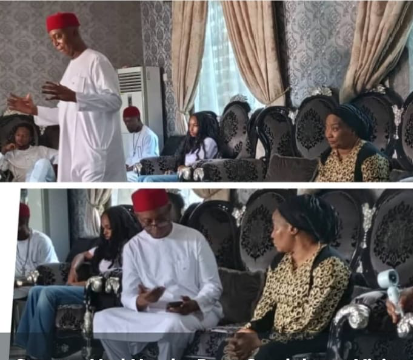
The governor gave the directive on Tuesday while receiving the Commissioner of Police, Delta State Police Command, CP Aina Adesola, and his management team during a courtesy visit to Government House, Asaba.

Governor Oborevwori described the posting of CP Adesola to Delta State as a homecoming, noting that the police chief was well acquainted with the state, having previously served in key operational positions within the command.

He said the relative peace currently enjoyed across the state was a reflection of the collaboration between the police and other security agencies, adding that the new Commissioner has displayed experience, professionalism and deep understanding of the terrain.

“I am very happy that you are here because you know this terrain very well. You have served here before and we saw your impact. For the few weeks you have been here as Commissioner of Police, Delta State has remained peaceful, and we are proud of your achievements,” the governor said.

Recalling the security situation prior to 2023, Governor Oborevwori noted that the open display of firearms by youths and criminals was once prevalent but had since been decisively curtailed.

He declared that such acts would no longer be tolerated in the state. “Before now, people brandished firearms openly and caused fear. Since 2023, that has stopped, and it will never happen again in Delta State,” he assured.

The governor commended senior officers within the command for their dedication and professionalism, singling out ACP Aliyu Shaba and the former Deputy Commissioner of Police in charge of Operations, for their outstanding roles in tackling gun violence in previously volatile areas of the state.

As the state approaches another election cycle, Governor Oborevwori charged the police command to remain firm and proactive, stressing that anyone found in possession of firearms or attempting to breach the peace must face the full weight of the law.

“We will not tolerate insecurity in this state. Anyone caught with firearms or attempting to disrupt peace must be arrested and prosecuted,” he insisted.

He urged residents to support security agencies by providing timely and useful information, describing security as a collective responsibility.

According to him, peace is directly linked to development and economic growth, noting that investors can only be attracted to a secure environment.

Oborevwori said; “Peace gives room for development. Without peace, investors will not come. That is why Delta State remains open for business”.

Earlier, CP Aina Adesola thanked the governor for the warm reception and assured him of the command’s commitment to sustaining peace and security across Delta State.

He pledged that under his leadership, residents would continue to sleep with their two eyes closed, as the police would work tirelessly to ensure lasting peace in the state.

Sit-at-home: Soludo orders closure of Onitsha main market, threatens one-month shutdown

I believe firmly in the constitutional right of every Nigerian to seek public office. Democracy demands that citizens be free to aspire to leadership based on their convictions and capacity to serve. However, beyond legality, there is also the critical issue of ethics, public perception, and the long-term health of our political system. Not everything that is legally permissible is necessarily wise or beneficial to society.

Today, Ifeanyi Okowa is touted to be contesting for the Senate seat in Delta North, while his daughter, Marylin Daramola-Okowa, will be simultaneously seeking election into the Delta State House of Assembly to represent Ika North East for the second term. While both of them may claim personal merit and qualification, this development raises serious concerns that, in my view, cannot be ignored.

As a concerned citizen of Delta North, I find it troubling that one family is seeking to occupy two major legislative positions in the same political space at the same time. A Senate seat and a House of Assembly seat are both powerful platforms for influence, policymaking, and political control. When these positions are pursued by a father and daughter concurrently, it creates the impression of political concentration rather than inclusive governance.

To me, this is not merely about individuals. It is about the message it sends to the public. It suggests that political power is gradually becoming centralized within a family, instead of being shared across capable citizens. Democracy becomes weakened when leadership begins to look like inheritance within a family.

What makes this situation even more concerning is that we have seen similar scenarios in Delta State before, and we know the tensions they create. A clear example is what happened during the time of Joan Onyemeachi. She was a member of the State Executive Council, serving as a commissioner, while her brother, Pastor Jude Chukwuwinke, sought to contest for the chairmanship of Aniocha South Local Government Council.

At that time, there was serious tension in the local government. Many people openly questioned the propriety of having a commissioner at the state level and a local government chairman from the same family and the same LGA at the same time. The public sentiment was clear: it did not reflect fairness, balance, or respect for democratic diversity. People argued that it was wrong for one family to dominate political leadership within a single local government area.

Eventually, Joan Onyemeachi resigned from the State Executive Council. Her resignation was widely understood as an attempt to reduce political tension and restore public confidence. It was a recognition that, even if the arrangement was technically legal, it was politically unhealthy and socially divisive. It showed an understanding that leadership sometimes requires sacrifice for the sake of peace, unity, and public trust.

That episode is important because it demonstrates that our people are not blind to issues of political concentration. They understand instinctively that democracy works best when power is spread, not clustered. They understand that it is not politically healthy for one family to take over multiple positions of authority.

If such concerns were valid at the level of a commissioner and a local government chairman, how much more serious should we be when we are talking about a Senator representing Delta North and a House of Assembly member representing Ika North East, both from the same family?

In my view, this makes the current situation even more difficult to justify.

It raises the question: if it was considered problematic for siblings to hold high offices within one LGA, why should it now be acceptable for a father and daughter to occupy major legislative positions in the same senatorial district?

At this point in our political journey, Delta North should be thinking about stability, continuity, and institutional growth. Senator Ned Nwoko has already laid foundations in the Senate and has begun building legislative, developmental, and advocacy structures that require time to mature. Effective representation is not achieved overnight. It is built through consistency, experience, and sustained engagement.

For this reason, I believe strongly that Ned Nwoko deserves the opportunity to be allowed for a second term and consolidate on what he has started. Allowing him to continue his work will strengthen Delta North’s voice at the national level and ensure that ongoing projects and initiatives are not abandoned halfway.

On the other hand, Okowa’s return to contest for the Senate risks disrupting this continuity. Instead of building on existing progress, it introduces unnecessary political rivalry driven more by personal ambition than by collective interest. It also diverts attention from governance to political survival and family positioning.

In my opinion, the more responsible path would have been for Okowa to step aside and allow space for democratic balance. True leadership sometimes requires knowing when to withdraw and give opportunity for others to take charge.

I am also deeply concerned about accountability. When close relatives hold influential offices at the same time, institutional independence becomes harder to guarantee. Oversight can be weakened, criticism may be softened, and political alliances may be influenced by family loyalty rather than public interest. Even if no wrongdoing occurs, the perception alone is damaging. In governance, perception is almost as important as reality.

Public trust is fragile. Once citizens begin to feel that politics is becoming a family enterprise, they become disengaged, cynical, and hopeless. They begin to believe that competence and integrity matter less than connections and lineage. This is dangerous for democracy.

Furthermore, leadership should be about building strong institutions, not political dynasties. When the same families dominate the political space, it is seen as building a family dynasty as a means of holding on to power for as long as one wishes.

In my opinion therefore, supposedly experienced leaders like Ifeanyi Okowa should be focusing more on mentoring new leaders, strengthening institutions, and preparing the next generation for responsible leadership. True statesmanship is not measured by how long one remains in office, or how many family members enter politics, but by the legacy of strong, transparent, and inclusive governance.

The example of Joan Onyemeachi’s resignation reminds us that sometimes, leadership requires restraint. It requires recognizing when personal or family ambition may harm public harmony. It requires placing collective interest above private considerations.

Ultimately, I believe that we, voters in Delta North, must ask ourselves whether our choices promote fairness, accountability, and democratic balance. We must reflect on whether electing both a father to the Senate and his daughter to the House of Assembly at the same time truly strengthens our political system.

For me, this is not about personal attacks. It is about principles. It is about protecting the integrity of our democracy. Delta North deserves a future built on merit, shared opportunity, and strong institutions, not on the concentration of power within a single family.

Delta Govt Donates N10 Million To Support Cancer Treatment Initiative

Delta State Commissioner for Works (Rural Roads) and Public Information, Mr. Charles Aniagwu, has called on eligible residents of the state to take full advantage of the Continuous Voter Registration (CVR) exercise, describing voter registration and possession of the Permanent Voter’s Card (PVC) as both a constitutional right and a civic responsibility.

Aniagwu made the call on Wednesday while speaking to journalists on the sidelines of a sensitisation and advocacy engagement organised by the Independent National Electoral Commission (INEC) in collaboration with the Delta State Government at Unity Hall, Government House, Asaba.

According to the Commissioner, every Nigerian who has attained the age of 18 is legally qualified to register and vote, and in some cases, to be voted for, depending on the elective office.

He stressed that voter registration is fundamental to democratic participation, noting that citizens who fail to vote effectively forfeit the moral right to complain about poor leadership and governance outcomes.

He explained that the sensitisation exercise was aimed at reaching new registrants, particularly young Nigerians who were underage during the last general election, as well as those who were unable to register previously due to various challenges.

Aniagwu said the exercise was necessary to help citizens understand that voting remains the most direct way of influencing governance and leadership selection at all levels, from councillors and local government chairmen to members of the State House of Assembly, House of Representatives, Senate, and executive offices.

The Commissioner lamented that many Nigerians still underestimate the importance of voter registration, often questioning the need to endure the stress of locating registration centres.

He noted that such attitudes underscore the need for sustained public enlightenment to ensure citizens appreciate the value of being included in the voter register and actively participating in decision-making processes.

Aniagwu also called for continuous engagement with INEC, referencing Section 10 of the Electoral Act, particularly subsections 1, 2 and 3, which mandate continuous voter registration.

He emphasized that voter registration should not be treated as an exercise carried out only in the build-up to elections.

Expressing concern over logistical constraints, he noted that the allocation of only two registration machines to each local government area was inadequate and urged INEC to increase the number of machines to improve accessibility.

He further advocated the deployment of technology to simplify the process, arguing that if Nigerians can carry out complex financial transactions and open bank accounts using mobile phones, voter registration should also be technologically driven.

According to him, the current process is capital-intensive and stressful, often requiring transportation, feeding, and repeated visits to registration centres without guarantee of same-day registration.

He said a technology-driven and community-based registration system would significantly reduce costs, logistical challenges, and voter apathy.

Aniagwu commended INEC for organising the sensitisation programme and expressed optimism that sustained advocacy and stakeholder support would lead to increased voter registration across Delta State.

He reaffirmed the commitment of the state government to supporting initiatives that empower citizens, strengthen democratic participation, and ensure that more Nigerians are registered and ready to vote when elections are conducted.

Delta Govt Donates N10 Million To Support Cancer Treatment Initiative

The Delta State Government has donated the sum of N10 million to support the humanitarian campaign of Miss Chineyenwa Judith Amadi, aimed at raising funds for cancer patients across the country through her initiative, “A Ride for Life.”

Presenting the cheque on behalf of the state government, Secretary to the State Government (SSG), Dr. Kingsley Emu, described cancer as one of the most devastating diseases confronting contemporary society.

He said the state government was honoured to associate with the initiative, noting that Governor Sheriff Oborevwori gave a clear directive for the donation in support of the noble cause.

“This is our contribution, our statement of solidarity, and our commitment to humanity,” Dr. Emu said, adding that the gesture reflected the government’s resolve to give strong support to initiatives that seek to alleviate human suffering.

According to him, the burden of cancer affects families, communities, and the entire healthcare system, stressing that every effort aimed at easing this burden deserves encouragement and support.

“I am pleased to inform you that steps are being taken to ensure that cancer facility is established, so that our people can access quality cancer care within the state, without the added hardship of travelling long distances,” he said.

Commending Miss Amadi for riding motorcycle across 16 countries as part of her advocacy, the SSG disclosed that the state government was investing in saving lives.

“This is not just about goodwill; it is about providing the right information, guidance, and support to help initiatives like this to achieve their objectives and make real impact,” he added.

Also speaking at the presentation ceremony held at the SSG’s Conference Hall in Asaba, the Commissioner for Health, Dr. Joseph Onojaeme, emphasised that while treatment is critical, prevention remains the most powerful tool in the fight against cancer.

He explained that in cases such as cervical cancer, early intervention through appropriate medical procedures can significantly reduce, and in many cases prevent, the disease.

He noted that breast cancer, when detected early, is highly manageable.

“Regular hospital visits, routine medical check-ups, and timely breast examinations can lead to early detection and ultimately save lives,” he stated.

The Commissioner reaffirmed the state government’s commitment to healthcare development, noting that beyond infrastructure, the government was investing heavily in modern medical equipment.

He revealed that across the three senatorial districts, Delta State has functional and state-of-the-art MRI facilities that rank among the best available.

“These are critical, expensive, and life-saving investments, and they demonstrate our resolve to building a strong, responsive healthcare system,” he said.

In her remarks, a visibly elated Miss Amadi expressed gratitude to the Delta State Government for the gesture, stating that the goal of her initiative is to raise funds for cancer patients who cannot afford treatment and to give them hope and encouragement to continue fighting the disease.

“This journey is deeply personal for me. I have lost loved ones to cancer, and I also have loved ones who have survived it. I am currently very close to someone who is battling cancer, and that experience is what truly inspired this project,” she said.

She recounted how earlier in 2025 she began personally supporting the chemotherapy of a cancer patient who could barely afford treatment, only to later realise that many patients are forced to abandon treatment midway due to lack of funds.

“They are not lacking courage; they are lacking support. That realisation pushed me to invest my personal resources into a project I named ‘A Ride for Life.’ The goal is simple but powerful: to raise funds for people in this situation and to remind them that they are not alone,” she said.

The event was attended by the Commissioner for Works (Rural Roads) and Public Information, Mr. Charles Aniagwu; the Chief Press Secretary to the Governor, Mr. Festus Ahon; and other government officials.

Oborevwori Greets Festus Keyamo At 56

Delta State Governor, Rt. Hon. Sheriff Oborevwori, has felicitated the Minister of Aviation and Aerospace Development, Chief Festus Keyamo, SAN, on the occasion of his 56th birth anniversary, marked on January 21.

The goodwill message was conveyed in a statement issued on Wednesday in Asaba by the Governor’s Chief Press Secretary, Sir Festus Ahon.

Governor Oborevwori described Chief Keyamo as a distinguished Senior Advocate of Nigeria, SAN, astute public servant, and committed patriot whose career in law and public service has continued to positively impact national development.

He lauded the Aviation Minister for his notable contributions to the growth and repositioning of Nigeria’s aviation and aerospace sector, particularly in strengthening safety standards, enhancing institutional efficiency, and promoting investor confidence.

The Governor further commended Keyamo for his consistency, courage, and professionalism in public office, noting that his leadership has brought renewed focus and visibility to the aviation sector at a critical time in the nation’s development.

Governor Oborevwori also praised the Minister for his unwavering commitment to the growth, unity, and consolidation of the All Progressives Congress (APC) in Delta State and across the country, describing him as a dependable party leader and bridge-builder whose efforts have helped strengthen the party’s structures.

According to the Governor, Chief Keyamo’s political maturity and dedication to democratic ideals have continued to earn him respect within and outside the party.

“On behalf of my family, the government, and the good people of Delta State, I congratulate my dear brother and friend, Chief Festus Keyamo, SAN, on the occasion of his 56th anniversary.

“He is a worthy son of Delta State who has brought pride to our state through his exemplary service to the nation,” Oborevwori said.

The Governor prayed for God’s continued guidance, good health, and wisdom for the Aviation Minister, expressing confidence that Keyamo would continue to render impactful service to Nigeria in the years ahead.

Oborevwori Condoles Warri Catholic Diocese Over Death of Bishop Afareha

Delta State Governor, Rt. Hon. Sheriff Oborevwori, has condoled with the Catholic Diocese of Warri over the passing of its Bishop Emeritus, Most Rev. John Okeoghene Afareha, who died at the age of 78.

In a condolence message signed by his Chief Press Secretary, Sir Festus Ahon, in Asaba, the Governor described the late Bishop Afareha as a revered servant of God whose life of faith, humility and dedication to humanity left an indelible mark on the Church and society.

Governor Oborevwori expressed deep sadness over the loss, noting that Bishop Afareha’s years of priestly and episcopal service were characterised by spiritual discipline, pastoral simplicity and unwavering commitment to the growth of the Catholic faith, particularly in Warri Diocese.

“The passing of Bishop Afareha is a great loss not only to the Catholic Church but to Delta State and humanity at large.

“He was a father, shepherd and man of deep prayer whose life exemplified service, sacrifice and obedience to the will of God,” the Governor stated.

He extended his heartfelt condolences to the Catholic Bishop of Warri, Most Rev. Anthony Ovayero Ewherido, the clergy, religious and faithful of the diocese, as well as the family of the deceased, praying that God grants them comfort and fortitude in this moment of grief.

Governor Oborevwori also prayed for the peaceful repose of the late Bishop’s soul, asking God to grant him eternal rest and reward him for a lifetime of devoted service to the Church and mankind.

Bishop Afareha, who was ordained a Catholic priest on December 30, 1973, was consecrated Bishop on May 14, 1997.

The Catholic Diocese of Warri had announced his death with “profound sorrow, yet with a firm hope in the resurrection,” commending his soul to God’s infinite mercy.

A Record of Delivery: Senator Ned Nwoko’s Projects Reshape Delta North Senatorial District

Dr. Michael Nwoko, Chief of Staff to Distinguished Senator Ned Nwoko, has provided a comprehensive account of the far-reaching projects attracted and executed by the senator within the two and half years in office, describing a development trajectory that is already redefining Delta North Senatorial District.

According to Dr. Michael Nwoko, Senator Nwoko’s interventions cut across healthcare, infrastructure, water resources, power, and human capital development, reflecting a deliberate strategy to combine social welfare with long-term economic growth.

Expanding Access to Quality Healthcare

Healthcare remains one of the senator’s flagship priorities. Dr. Nwoko disclosed that the first phase of a large-scale medical outreach was conducted in November 2023, reaching over 200 beneficiaries across the three federal constituencies of Delta North.

The exercise covered Idumuje Ugboko (Aniocha/Oshimili), Agbor (Ika), and Umusan (Ndokwa/Ukwuani), where constituents received free consultations, specialist care, surgeries, and medications.

The second phase, held in September 2024, expanded significantly, with over 600 beneficiaries treated at Idumuje Ugboko Health Centre and Umuagu Primary Health Centre in Asaba.

Services rendered included specialist consultations, surgeries, free drugs, and distribution of eyeglasses, offering critical relief to residents who could not afford quality healthcare.

In continuation of this initiative, the senator facilitated the distribution of modern medical equipment in December 2024 to selected primary healthcare centres across Delta North, including Idumuje Ugboko, Umuagu Asaba, Agbor, and Umusan in Kwale, strengthening frontline healthcare delivery.

Lighting Up Communities with Solar Streetlights

To enhance security and economic activity, Senator Nwoko attracted and commissioned solar streetlight projects across major communities in the region. In July 2024, marking his first anniversary in office, solar streetlights were commissioned in Kwale, with similar completed projects in Idumuje Ugboko, Idumuje Unor, Onicha Ugbo, and Asaba.

Clean Water Through Renewable Energy

Recognising the importance of water security, the senator facilitated the construction and commissioning of solar-powered water schemes in Umunede (Ika North East) and Idumuje Ugboko (Aniocha North).

These projects provide clean, potable water without reliance on diesel or generators, reducing costs for communities while promoting renewable energy.

Reviving Strategic Dam Projects

Dr. Nwoko highlighted the senator’s commitment to large-scale water infrastructure. The Ogwashi-Uku Dam project, attracted during his tenure in the House of Representatives, has received renewed attention with critical maintenance works completed.

The remaining water reticulation component is expected to enable water distribution to over 60 communities across Delta North.

In addition, a new dam project in Aniofu, Aniocha North, has completed its feasibility study and is being processed for inclusion in the 2026 Appropriation Bill.

The objective is to deliver two fully functional dams in Delta North to guarantee comprehensive water supply and support smart irrigation for year-round farming.

Rehabilitating Key Transport Corridors

On road infrastructure, Dr. Michael Nwoko said Senator Nwoko attracted the rehabilitation of the Benin–Asaba Expressway from Alifikede in Ika South to the Onitsha Head Bridge in Oshimili South.

This intervention restored a critical transport corridor that had become nearly impassable in late 2024, reopening safe passage between Delta North and the eastern corridor of the country.

Opening New Economic Frontiers

Through collaboration with interventionist agencies, the senator has facilitated major regional projects. The proposed coastal road from Asaba-Oko through Okpai-Aboh to Patani, covering over ten communities in Ndokwa East, has been captured in the NDDC budget and is undergoing procurement.

Once executed, Dr. Nwoko noted, it is expected to unlock new economic opportunities across the district.

He has also advanced efforts for the completion of the Okpai Power Plant step-down project, working closely with the NDDC to secure budgetary backing.

Empowering Over 1,000 Constituents

Human capital development is another pillar of the senator’s agenda. Dr. Nwoko noted that Senator Nwoko became the first senator in the 10th Assembly to launch a large-scale empowerment programme early in his tenure, with the first phase held in November 2023, benefiting 260 youths, women, and farmers.

Subsequent phases in April and September 2024 expanded the programme, bringing the total number of beneficiaries to over 1,000 across Delta North. Participants received training and financial support to grow their businesses and livelihoods.

A Trajectory of Sustainable Development

Dr. Nwoko explained that some projects remain ongoing due to procurement timelines, with many captured in the 2025 budgets. He expressed confidence that full implementation will deliver “melodramatic changes” to Delta North.

He noted that, given the scale and spread of interventions within just two years and half, Senator Ned Nwoko’s performance places him on a path to becoming one of the most impactful representatives in the history of Delta North.

“At the end of his first tenure,” Dr. Nwoko said, “the people of Delta North will agree that he has set a new benchmark for representation, and they will urge him to return for a second term to consolidate on these transformational projects.”

Oborevwori Flags Off N59.7bn Agbor/Uromi Junction Flyover …Assures Deltans Of Even Devt, Safer Roads

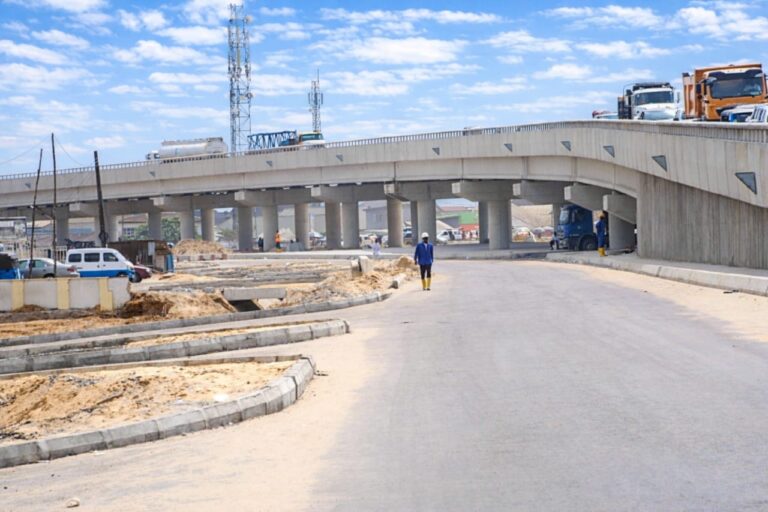
Delta State Governor, Rt. Hon. Sheriff Oborevwori, on Monday, flagged off the construction of the N59.7 billion Agbor/Uromi Junction Flyover in Agbor, Ika South Local Government Area.

At the epochal event of groundbreaking for the project, he described the project as a critical intervention aimed at improving road safety, preserving lives, and boosting economic activities across the state and beyond.

Governor Oborevwori said the flyover was conceived out of the urgent need to address persistent traffic congestion and frequent accidents at the busy Agbor/Uromi Junction, which, he noted, had, over the years, claimed lives and destroyed property.

According to him, the dangerous intersection among vehicles, motorcycles, and pedestrians on the federal highway, coupled with poor traffic management, made a lasting solution inevitable.

He disclosed that the contract for the design and construction of the flyover had been awarded to Julius Berger Nigeria Plc, with a completion timeline of 14 months.

The project, he explained, includes a 1.3-kilometre flyover bridge along the Uromi–Agbor Highway, dual carriageways with two lanes in each direction, ramps, roundabouts, concrete drainage systems, kerbs, and solar-powered streetlights to enhance safety and sustainability.

Governor Oborevwori, who was accompanied by the Deputy Governor, Sir Monday Onyeme, and other top government functionaries for the groundbreaking ceremony, stressed the strategic importance of the corridor, describing it as a major economic and transportation link connecting the the Eastern and Western parts of the Niger Delta, while also serving as a gateway to the North.

“Anyone travelling from Lagos to the East or from the East to the West must pass through this route. Its importance to the national economy cannot be overstated,” he said.

He noted that upon completion, the flyover would significantly enhance mobility, reduce travel time, expand economic opportunities, and safeguard the lives of thousands of Nigerians who ply the route daily.

The governor also highlighted the employment opportunities the project would generate for engineers, artisans, labourers, transporters, food vendors, and others across the construction value chain.

Reaffirming his administration’s commitment to inclusive and balanced development, Oborevwori said the state government had injected N100 billion as a special intervention fund, allocating N4 billion each to the 25 local government areas for infrastructure development, in addition to other sectoral investments.

He added that Ika South Local Government Area was also benefiting from other major projects, including the N15.4 billion contract awarded for 13.3 kilometres of concrete drainage systems and five kilometres of road construction to address flooding and erosion, as well as the planned N12 billion 15-kilometre Okpe–Abavo–Ekuku-Agbor Road.

“As a government, we award contracts strictly on merit and competence. Excellence will always attract further patronage,” the governor assured, expressing confidence that the flyover would be completed within schedule.

Earlier, immediate past Governor of the state Governor, Dr. Ifeanyi Okowa, described the Agbor/ Uromi Junction Flyover as a monumental and impactful project, commending Governor Oborevwori for sustaining continuity and translating plans into tangible development.

He said the scale and spread of infrastructure projects across the state under the current administration reflected purposeful and people-oriented governance.

Okowa also used the occasion to commend President Bola Ahmed Tinubu, noting that the ongoing economic reforms, though initially challenging, were deliberately steering Nigeria toward a more sustainable future.

The Commissioner for Works (Highways and Urban Roads), Comrade Reuben Izeze, described Governor Oborevwori as an audacious and workaholic leader, reminding the Ika Nation of the many infrastructure projects executed by the administration in the area and sued for continued support for the governor in the years ahead.

Mr Frederich Weiser who spoke on behalf of the management and Board of Directors of Julius Berger Nigeria Plc, expressed appreciation to the Delta State Government for the confidence reposed in it through the award of the project.

The firm pledged to deliver the flyover to the highest standards of quality, safety, and efficiency, and to complete it on schedule with minimal disruption, drawing on its experience with similar projects across the state, including the Ughelli Flyover.

In his remarks, Chairman of the Niger Delta Development Commission (NDDC), Mr. Chiedu Ebie, assured of the commission’s readiness to collaborate with the Delta State Government to complete the Abraka–Obiaruku–Abavo–Agbor Road, describing it as a vital feeder route to the new flyover.

Chairman of Ika South Local Government, Engr. Jerry Ehiwarior, described the flyover as a “project of destiny,” and thanked Governor Oborevwori for what he called action-driven leadership, including the restoration of electricity to communities that had been without power for over 14 years.

Other speakers, including the member representing Ika Federal Constituency, Hon. Victor Nwokolo; APC National Publicity Secretary, Mr. Felix Morka; the Dein of Agbor Kingdom, HRM Benjamin Ikechukwu, Keagborekuzi I, and President-General of Agbor Community Union, Prof. Onyemaechi Ugboh, commended Governor Oborevwori for his massive infrastructure drive and assured him of their unwavering support.

Uromi Junction Flyover: Aniagwu Welcomes Oborevwori, the Bridge-Builder, to Agbor

The Delta State Commissioner for Works (Rural Roads) and Public Information, Mr. Charles Aniagwu, has welcomed the Governor of Delta State, Rt. Hon. Sheriff Oborevwori, to Agbor, describing him as a “bridge-builder” whose leadership continues to promote unity and drive sustainable development across the state.

In a statement issued on Monday ahead of the flag-off ceremony of the N59.7 billion Uromi Junction Flyover in Agbor, Ika South Local Government Area, Aniagwu said the project exemplifies the Governor’s unwavering commitment to people-centred governance and purposeful infrastructure delivery.

He stated that the Uromi Junction Flyover, alongside the Otovwodo Junction Flyover in Ughelli and the three others nearing completion at PTI Junction, DSC Roundabout and Enerhen Junction, demonstrates the administration’s resolve to tackle traffic congestion and enhance urban mobility across major cities in Delta State.

According to the Commissioner, the Agbor flyover will significantly ease traffic flow, improve road safety, and stimulate economic activities within the Agbor metropolis and adjoining communities, while also strengthening inter-state connectivity between Delta State and its neighbouring states.

Aniagwu, on behalf of the people of Ika Nation, expressed profound appreciation to Governor Oborevwori for siting the landmark project in Agbor, describing it as a historic intervention that will deliver enduring socio-economic benefits to present and future generations.

He assured residents that the project would be executed in accordance with the highest engineering standards, with strict supervision to ensure quality delivery and timely completion.

Aniagwu added that the Uromi Junction Flyover forms part of Governor Oborevwori’s broader infrastructure expansion programme under the MORE Agenda, aimed at improving urban mobility and enhancing the overall quality of life for Deltans.

Anambra community commends Soludo for restoring traditional throne after 11-year

By Sunny A. David, Awka

The Ndiowu community in Orumba North Local Government Area of Anambra State has applauded Governor Chukwuma Charles Soludo for facilitating the restoration of its traditional stool after an 11-year vacancy.

The commendation followed the successful election of Chief Chibuzo Okekeifi as Ezediọramma II of Ndiowu, effectively bringing to an end more than a decade without a substantive Monarch.

The development marks a significant moment in the community’s traditional history, coming years after the peaceful demise of the former ruler, Ezediọramma I, Late Eze O. Udeh.

Community leaders and indigenes described the emergence of the new Monarch as a symbol of renewed unity, dignity, and cultural pride in Ndiowu.

Reacting to the development, a prominent son of the community and respected leader, Chief Dr. Joseph Chimezie Onuorah, popularly known as Deme Deme Na Orumba, described the ascension of Ezediọramma II as a major turning point for Ndiowu both at home and in the diaspora.

According to him, the installation goes beyond filling a vacant stool, noting that it represents the fulfilment of destiny and a unifying milestone that rekindles hope, restores dignity, and strengthens the collective spirit of the people.

Chief Onuorah commended the Anambra State Government under Governor Soludo for creating an enabling environment that ensured a peaceful, transparent, and widely accepted selection process. He described the Ndiowu traditional ruler election as a model worthy of emulation by other communities in the State.

He also praised the Commissioner for Local Government and Chieftaincy Affairs, Hon. Tony Collins Nwabunne, and the Chairman of Orumba North Local Government Area, Rt. Capt. Casmir Nwafor, for their leadership and administrative guidance, which he said contributed significantly to the credibility and calm that characterised the process.

Reaffirming his support for the new monarch, Chief Onuorah pledged the continued backing of Ndiowu stakeholders and indigenes toward the success of Ezediọramma II’s reign. He expressed confidence that the new king would focus on human capital development, youth empowerment, peacebuilding, and sustainable growth.

“As he ascends the ancient throne of our forebears, we stand firmly behind his vision to lead Ndiowu into a new era of unity, prosperity, and progress,” he said.

Residents of the community have since expressed optimism that the installation of Ezediọramma II will strengthen the traditional institution, enhance communal harmony, and usher in lasting peace and inclusive development across Ndiowu.

NDLEA Nabs Notorious Drug Kingpin ‘Kanmo-Kanmo’ After 12-Year Manhunt

A notorious drug kingpin and mastermind of the killing of three anti-drug agents, Lekan Jimoh, popularly known as “Kanmo-Kanmo,” has been arrested by The National Drug Law Enforcement Agency (NDLEA).


According to a statement on Sunday by the spokesman of the anti-narcotics agency, Femi Babafemi, the drug kingpin was arrested at his hideout twelve years after he allegedly masterminded the killing of the officers in Ogun State.


Babafemi said Jimoh was apprehended last Friday, in his hideout at Owode town, Ogun State, following a well-coordinated intelligence-led operation by NDLEA tactical teams, adding that at the point of his arrest, operatives recovered 69 kilogrammes of cannabis (commonly known as skunk) from him.


He noted that the suspect had been on the agency’s most-wanted list since 15 June 2014, when he reportedly led an armed mob that attacked NDLEA officers who had gone to arrest him. The assault resulted in the death of three officers, including Rabiu Kazaure, stating that Jimoh escaped arrest at the time, prompting a prolonged manhunt.


Babafemi also noted that in August 2023, NDLEA operatives again raided Jimoh’s residence in Ado-Odo, Ogun State, but he fled before they arrived. The agency however seized 1,922 kilogrammes of cannabis stored in 139 sacks at the property. The house was later forfeited to the Federal Government through court proceedings.


Meanwhile, the NDLEA carried out multiple operations across several states within the same period: In Edo State, operatives arrested 53-year-old Isihor Edika in Arokpa Forest, Uzebba, seizing 320 kilogrammes of cannabis and seeds.


In Abuja (FCT), a 44-year-old woman, Yinka Agboola, was arrested for selling drugs online. Officers recovered 2.2 kilogrammes of skunk and litres of cannabis oil from her home in Kaura District. Another suspect, Tordue Pius Richard, was arrested with cocaine and cannabis at Abacha Estate.


In Lagos, 118.1 kilogrammes of skunk were seized from two suspects in Mushin, while a large consignment of codeine syrup—157,519 bottles—was intercepted at Apapa Port in a joint operation with Customs and other security agencies.


In Enugu State, 116 kilogrammes of cannabis were recovered from a warehouse, and along the Onitsha–Asaba Expressway in Delta State, two suspects were arrested with over 410,800 tramadol pills, 84.2 litres of codeine syrup, 82,250 diazepam tablets, 900 swinol tablets, and 65 Molly pills.


In Oyo State, several arrests were made in Ibadan, with seizures totaling more than 330 litres of skuchies, 2.5 kilogrammes of Colorado cannabis, and nearly 10 kilogrammes of assorted cannabis strains. Over 52,000 tramadol and bromazepam pills were also recovered from a store whose owner is still at large.


In Kwara State, NDLEA raided a residence in Ilorin and seized 387.4 kilogrammes of cannabis stored in 42 bags; in Jigawa State, an ex-convict, Gaddafi Ammani, and his accomplice Ahmed Sani were arrested after Ammani attempted to escape by jumping across rooftops while armed with a machete, during which he injured an officer.


Babafemi said beyond enforcement operations, the NDLEA continued its War Against Drug Abuse (WADA) campaign, conducting sensitisation programmes in schools, religious centres, and communities across Kano, Lagos, Benue, Katsina, and Niger states.


Commending the officers involved, NDLEA Chairman, Brig. Gen. Buba Marwa (Rtd) described Kanmo-Kanmo’s arrest as a major victory for justice and a tribute to the fallen officers.


He stressed that the arrest would send a strong warning to drug barons that they cannot evade justice forever.

Asaba monarch honours Chike Ogeah, Odogwu, 18 others*

*

The Asagba of Asaba, Professor Epiphany Chigbogu Azinge, has conferred chieftaincy titles on Ogbueshi Chike Ogeah, managing director of MacFally Hospitality Limited, owners of Marriott Hotel, Ikeja, Lagos and one time Commissioner for Information in Delta State as well as Ogbueshi Ken Odogwu, son of late industrialist, Chief Sunny Odogwu.

Also to be conferred with chieftaincy titles are 18 other accomplished sons and daughters of Asaba. Among them are Ogbueshi Adizua Eluaka, Louis Edozien, Dr. Ify Uraih, Jaja Isichei and Hon. Ngozi Okolie, member representing Aniocha-Oshimili federal constituency in the House of Representatives.

Others are Ogbueshi Albert Adaba, Mr. Emma Odiaka, Dr. Harold Azinge, Ogbueshi Obiora Nwanze, Ogbueshi Dili Biosa and Ogbueshi Ephraim Okotcha,

Ogeah was Delta State Information Commissioner from 2011 to 2015.

Also to be honoured are Prof. Mrs. Etuna Mbah, Ogbueshi Godfrey Odogwu and Hon. Bridget Anyafulu, member representing Oshimili South in the Delta State House of Assembly, Hon. Shedrack Rapu, Tony Ndah and Dr. Chris Ojeih.

Ogeah was was the Managing Director of Skyway Aviation Handling Company Ltd (SAHCOL) (now SAHCO PLC) before its privatization, leading the successful turnaround and sale of the company, and later served as its Vice Chairman, significantly involved in its management and policy-making before stepping down from the board around in 2022.

He was the chairman, subcommittee, on Asaba Economic Summit held on December 26, 2025.

A statement signed by Prof. Azinge himself said the designated people will be conferred the Olizenlele title on a date to be announced by the palace.

NIPR Edo Calls for Stronger Governance, Security, and Inclusive Growth in 2026

The Nigerian Institute of Public Relations (NIPR), Edo State Chapter, has called for strengthened governance, sustained security efforts, and inclusive development as Edo State enters the 2026 calendar year.

In a New Year statement, the Chairman of the Institute, Dr James-Wisdom Abhulimen, extended warm greetings to members of the NIPR, the Government and people of Edo State, and all stakeholders committed to good governance and sustainable development.

Dr Abhulimen commended the Governor of Edo State, His Excellency, Senator Monday Okpebholo, for the administration’s early strides in institutional rebuilding, economic revitalisation, infrastructure renewal, and people-centred governance, noting that these efforts are restoring public confidence and laying a credible foundation for long-term growth and stability.

The NIPR, Edo State Chapter also acknowledged the government’s decisive measures to address insecurity and cultism, describing the impact as significant and necessary for sustainable development.

“Security remains fundamental to development. Continued investment in professional policing, intelligence-led operations, and rural safety measures is essential to protecting lives, enhancing productivity, and creating an environment that attracts investment and opportunity,” Dr Abhulimen said.

As the administration consolidates its gains, the Institute urged sustained investment in social protection and inclusive development programmes—particularly those supporting vulnerable populations, expanding skills development and entrepreneurship, improving access to healthcare, and strengthening farmer support schemes.

According to the Institute, such interventions are critical to improving livelihoods, enhancing food security, and accelerating rural development.

Reaffirming the Institute’s professional mandate, Dr Abhulimen said the NIPR, Edo State Chapter remains ready to collaborate with government through ethical public relations practice, strategic communication, and constructive engagement.

“As corporate image, perception, and reputation managers, we are committed to counselling government, strengthening governance processes, and fostering meaningful dialogue that enables citizens to better understand and engage with public policies and programmes,” he stated.

The Institute also called on residents of Edo State to actively support development by safeguarding public assets, supporting government initiatives, and promoting peace, unity, and social cohesion.

Looking ahead, the NIPR expressed optimism that 2026 would be defined by compassionate leadership, inclusive growth, strengthened public trust, and sustainable development for Edo State and Nigeria as a whole.

—————————-

About NIPR

The Nigerian Institute of Public Relations (NIPR) is the statutory professional body responsible for regulating and promoting the practice of public relations in Nigeria. The Edo State Chapter advances ethical communication, good governance, and constructive engagement between government, institutions, and the public.

forhas called for strengthened governance

The Nigerian Institute of Public Relations (NIPR), Edo State Chapter, has called for strengthened governance, sustained security efforts, and inclusive development as Edo State enters the 2026 calendar year.

In a New Year statement, the Chairman of the Institute, Dr James-Wisdom Abhulimen, extended warm greetings to members of the NIPR, the Government and people of Edo State, and all stakeholders committed to good governance and sustainable development.

Dr Abhulimen commended the Governor of Edo State, His Excellency, Senator Monday Okpebholo, for the administration’s early strides in institutional rebuilding, economic revitalisation, infrastructure renewal, and people-centred governance, noting that these efforts are restoring public confidence and laying a credible foundation for long-term growth and stability.

The NIPR, Edo State Chapter also acknowledged the government’s decisive measures to address insecurity and cultism, describing the impact as significant and necessary for sustainable development.

“Security remains fundamental to development. Continued investment in professional policing, intelligence-led operations, and rural safety measures is essential to protecting lives, enhancing productivity, and creating an environment that attracts investment and opportunity,” Dr Abhulimen said.

As the administration consolidates its gains, the Institute urged sustained investment in social protection and inclusive development programmes—particularly those supporting vulnerable populations, expanding skills development and entrepreneurship, improving access to healthcare, and strengthening farmer support schemes.

According to the Institute, such interventions are critical to improving livelihoods, enhancing food security, and accelerating rural development.

Reaffirming the Institute’s professional mandate, Dr Abhulimen said the NIPR, Edo State Chapter remains ready to collaborate with government through ethical public relations practice, strategic communication, and constructive engagement.

“As corporate image, perception, and reputation managers, we are committed to counselling government, strengthening governance processes, and fostering meaningful dialogue that enables citizens to better understand and engage with public policies and programmes,” he stated.

The Institute also called on residents of Edo State to actively support development by safeguarding public assets, supporting government initiatives, and promoting peace, unity, and social cohesion.

Looking ahead, the NIPR expressed optimism that 2026 would be defined by compassionate leadership, inclusive growth, strengthened public trust, and sustainable development for Edo State and Nigeria as a whole.

—————————-

About NIPR

The Nigerian Institute of Public Relations (NIPR) is the statutory professional body responsible for regulating and promoting the practice of public relations in Nigeria. The Edo State Chapter advances ethical communication, good governance, and constructive engagement between government, institutions, and the public.

The Nigerian Institute of Public Relations (NIPR), Edo State Chapter, has called for strengthened governance, sustained security efforts, and inclusive development as Edo State enters the 2026 calendar year.

In a New Year statement, the Chairman of the Institute, Dr James-Wisdom Abhulimen, extended warm greetings to members of the NIPR, the Government and people of Edo State, and all stakeholders committed to good governance and sustainable development.

Dr Abhulimen commended the Governor of Edo State, His Excellency, Senator Monday Okpebholo, for the administration’s early strides in institutional rebuilding, economic revitalisation, infrastructure renewal, and people-centred governance, noting that these efforts are restoring public confidence and laying a credible foundation for long-term growth and stability.

The NIPR, Edo State Chapter also acknowledged the government’s decisive measures to address insecurity and cultism, describing the impact as significant and necessary for sustainable development.

“Security remains fundamental to development. Continued investment in professional policing, intelligence-led operations, and rural safety measures is essential to protecting lives, enhancing productivity, and creating an environment that attracts investment and opportunity,” Dr Abhulimen said.

As the administration consolidates its gains, the Institute urged sustained investment in social protection and inclusive development programmes—particularly those supporting vulnerable populations, expanding skills development and entrepreneurship, improving access to healthcare, and strengthening farmer support schemes.

According to the Institute, such interventions are critical to improving livelihoods, enhancing food security, and accelerating rural development.

Reaffirming the Institute’s professional mandate, Dr Abhulimen said the NIPR, Edo State Chapter remains ready to collaborate with government through ethical public relations practice, strategic communication, and constructive engagement.

“As corporate image, perception, and reputation managers, we are committed to counselling government, strengthening governance processes, and fostering meaningful dialogue that enables citizens to better understand and engage with public policies and programmes,” he stated.

The Institute also called on residents of Edo State to actively support development by safeguarding public assets, supporting government initiatives, and promoting peace, unity, and social cohesion.

Looking ahead, the NIPR expressed optimism that 2026 would be defined by compassionate leadership, inclusive growth, strengthened public trust, and sustainable development for Edo State and Nigeria as a whole.

—————————-

About NIPR

The Nigerian Institute of Public Relations (NIPR) is the statutory professional body responsible for regulating and promoting the practice of public relations in Nigeria. The Edo State Chapter advances ethical communication, good governance, and constructive engagement between government, institutions, and the public.

GOV. OBOREVWORI TO FLAG OFF CONSTRUCTION OF N59.7 BILLION AGBOR FLYOVER PROJECT MON, JAN 19 2026

Delta State Governor, Rt. Hon. Sheriff Oborevwori, will on Monday, January 19, 2026, perform the groundbreaking ceremony for the construction of the N59.7 Billion Uromi Junction Flyover in Agbor, Ika South Local Government Area.

The project is part of his administration’s sustained push to expand critical urban infrastructure across the state.

The Chief Press Secretary (CPS) to the Governor, Sir Festus Ahon in a statement, said the ceremony would commence at 11:00 a.m. Sir Ahon urged all invited guests to be seated by 10:00 a.m.

Ahead of the official flag-off, construction activities have already commenced at the project site along the Lagos–Asaba Expressway at Uromi Junction, Agbor.

The contracting firm, Julius Berger Nigeria Plc, has mobilised to site and began preliminary works, thus underscoring the Oborevwori administration’s commitment to timely execution of the landmark project.

The Uromi Junction Flyover groundbreaking comes a week after the groundbreaking ceremony of the N39.3 billion Otovwodo Junction flyover project in Ughelli.

With the addition of the Uromi Junction Flyover, the total number of flyover projects being executed by the Oborevwori administration now stands at five.

The flyover projects form part of the state government’s broader infrastructure renewal agenda, aimed at easing traffic congestion, improving road safety, and stimulating economic activities across major urban centres in Delta State.

Delta North 2027: Senator Ned Nwoko, A Superior Argument And A Safer Aspiration

By Comrade Ikechukwu Chukwudi-Abiandu

As expected, the dawn of 2026 has broken with a necessary display of courage and ambition that is legally acceptable, and should be welcomed by everyone who believes in the democratic system we operate and the push to make it perfect.

The rumours of the former governor of Delta State nursing a Senatorial ambition comes with mixed reactions that take into consideration electoral weariness, the shock of losing Delta State at the 2023 presidential election where he was a vice presidential candidate, the lingering alleged corruption cases against him from the EFCC, which have considerably dimmed the spark that his aspiration may have once commanded, and the rising or peaking popularity of Senator Ned Nwoko, are encumbrances that threaten to stop the aspiration even before it is declared.

But from the feelers, Okowa is not alone in this aspiration to unseat Ned. Okenmor Tilije, Pascal Adigwe, Victor Nwokolo and Hilary Ibegbulem have all been mooted to have interests at the Red Chamber, but what keeps the status quo at the advantaged position is the effortless manner Ned Nwoko demystifies the office of the Senator, where he has been able to establish a never-before-seen relationship between the people and their representative, and not just the political class.

In a conversation with Senator Ned Nwoko after he had informed us of the Governor’s intended defection in February 2025, someone asked how he would take the possible Senatorial aspiration of the former governor or another new entrant, and his response was ” The more the merrier, the party would be the ultimate beneficiary and the people will have options to choose from”.

This mindset is only possible when sincerity combines with a superlative work rate that bears fruit which can hardly be disputed by even detractors who end up sounding like broken records when denying the Senator’s commendable stewardship.

In 2024 through early 2025, Senator Ned Nwoko was reputed to be the Senator with the highest number of bills, motions in the present dispensation with a total of 31 contributions on bills alone.

Achieving this feat in under two years is astonishing, but when noting that by the end of 2025, two of his bills had scaled all legislative scrutiny and are before the president today, awaiting assent, we can only conclude that he has raised the bar beyond where comparisons exist in Delta North stewardship discourse, past and present.

An interesting aspect of this information is that among those who are rumoured to be nursing senatorial aspirations, are past and serving legislators, but many can’t boast of a similar work rate, which thus leaves Delta North senatorial district with a big question: “Where is the wisdom in replacing a performer with someone whose best falls short of the standards set in the past three years to say the least?”

Furthermore and for what it’s worth, history exists to teach and those who fail to learn from history will become tales of caution rather than testimonies of success.

In 2023, the Delta North APC was in the unfortunate situation of fielding a candidate who was going through the grills of the judiciary, and eventually become incapacitated by binding judicial pronouncements that took no care for the political plight of APC members. We were forced to campaign for a candidate in absentia, because he was in jail for corruption charges, and even when he won his legal battles, the deed had been done and the campaign was ruined, despite the efforts of noblemen like Prof Leroy Edozien, Evangelist Moses Kamanya and others.

Today, feelers from the EFCC indicate that finishing touches are being put on the case concerning the rumoured prosecution of this same former governor of Delta state, even as informants insist that an arraignment may take place in the coming weeks or months, pending final verification of accounts under scrutiny.

The chairman of the EFCC has also made clear comments that indicate he will be prosecuted.

This development poses a risk to the political future of Delta Northerners who do not deserve to be lured into supporting aspirants who may in the near future, become guests of the EFCC or other law enforcement agencies for prolonged periods of time, as well as, become engaged in protracted legal battle to clear their names of alleged wrongdoing and secure the much needed freedom to engage in political activities freely.

These developments need to be studied and proactively curtailed to avoid a repeat of the 2023 scenario, thus the APC in Delta North must settle for the politically secure aspiration for 2027.

While all aspirations are welcome, foresight and the evidence of performance make Senator Ned Nwoko, a politician with no run-ins with the law, who has no reason to play hide and seek with law enforcement agencies, the safer choice by a million miles.

Comrade Ikechukwu Chukwudi-Abiandu is the Digital Media Assistant to the Deputy Chief of Staff to the Speaker of the House of Representatives, he hails from Igbodo, Ika North East LGA. He is also Director-General, Delta North APC New Media Community

Delta Govt Begins Construction of 10.1km Aboh–Akarai Road, Okiri River Bridge in Ndokwa East

The Delta State Government has commenced work on the construction of the 10.1-kilometre Aboh–Akarai Road, including a major bridge across the Okiri River, in Ndokwa East Local Government Area, at a total cost of ₦29.8 billion.

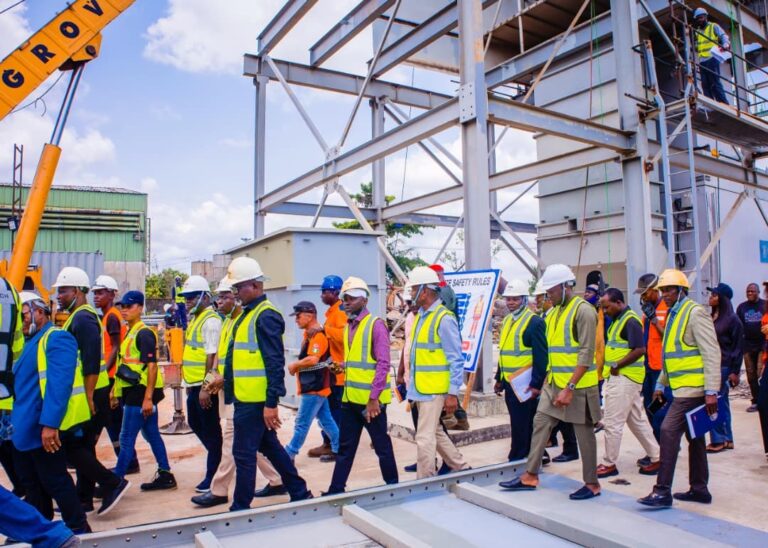
The Commissioner for Works (Highways and Urban Roads), Comrade Reuben Izeze, disclosed this during an inspection visit to the project site, where he was accompanied by the Director of Highways, Engr. Solomon Aghagba, and other top officials of the Ministry of Works.

According to the Commissioner, the project is designed to open up Akarai community and its environs by providing a direct road link to Aboh, thereby eliminating the long-standing dependence on river transportation.

He noted that Ndokwa East is predominantly agrarian, with residents largely engaged in farming and fishing, but poor access caused by difficult terrain has over the years hindered economic activities and business growth.

“This project is intended to open up more avenues for the people of Akarai to link Aboh without having to sail through the river. Because of the nature of the topography, it has been very difficult for the people to do business and succeed as entrepreneurs,” Izeze said.

He explained that the road and bridge project aligns with Governor Sheriff Oborevwori’s MORE Agenda, stressing that the “O” in the agenda represents opportunities for all Deltans, regardless of whether they live in riverine, rural or urban areas.

The Commissioner revealed that the bridge component of the project spans seven sections, an upgrade from the initial five-span design, to ensure durability and resilience against flooding.

He said the redesign was informed by the 2012 flood level, which was used as the benchmark to guarantee that the bridge would withstand future flooding and outlive changing environmental conditions.

Izeze added that contractors had returned to site immediately after the Christmas holidays and that preliminary works, including bush clearing, had been completed.

He stated that piling would commence once the water level of the river recedes further, expressing optimism that substantial progress would be achieved before the end of the year.

“This is one of the many promises of His Excellency that are being kept across the 25 local government areas of the state,” he said.

Also speaking, the contracting engineer, Lichaa Geagea, confirmed that preparatory works were ongoing, including site clearing, access opening, and arrangements for key facilities such as the batching plant, iron bending yard and beam seating areas.

He disclosed that access roads to the bridge abutments had been opened and that heavy equipment, including excavators, cranes and mixers, would arrive on site before the end of the month.

Geagea said piling for the bridge is expected to begin next month, while bush clearing for the remaining sections of the road would soon be completed.

He added that refilling works, box culverts and other drainage structures would also commence before the end of the month.

The Aboh–Akarai Road and Okiri River Bridge project is expected to significantly boost mobility, economic activities and social integration in Ndokwa East, particularly for riverine communities that have long struggled with accessibility challenges.

The Delta State Government has commenced work on the construction of the 10.1-kilometre Aboh–Akarai Road, including a major bridge across the Okiri River, in Ndokwa East Local Government Area, at a total cost of ₦29.8 billion.

The Commissioner for Works (Highways and Urban Roads), Comrade Reuben Izeze, disclosed this during an inspection visit to the project site, where he was accompanied by the Director of Highways, Engr. Solomon Aghagba, and other top officials of the Ministry of Works.

According to the Commissioner, the project is designed to open up Akarai community and its environs by providing a direct road link to Aboh, thereby eliminating the long-standing dependence on river transportation.

He noted that Ndokwa East is predominantly agrarian, with residents largely engaged in farming and fishing, but poor access caused by difficult terrain has over the years hindered economic activities and business growth.

“This project is intended to open up more avenues for the people of Akarai to link Aboh without having to sail through the river. Because of the nature of the topography, it has been very difficult for the people to do business and succeed as entrepreneurs,” Izeze said.

He explained that the road and bridge project aligns with Governor Sheriff Oborevwori’s MORE Agenda, stressing that the “O” in the agenda represents opportunities for all Deltans, regardless of whether they live in riverine, rural or urban areas.

The Commissioner revealed that the bridge component of the project spans seven sections, an upgrade from the initial five-span design, to ensure durability and resilience against flooding.

He said the redesign was informed by the 2012 flood level, which was used as the benchmark to guarantee that the bridge would withstand future flooding and outlive changing environmental conditions.

Izeze added that contractors had returned to site immediately after the Christmas holidays and that preliminary works, including bush clearing, had been completed.

He stated that piling would commence once the water level of the river recedes further, expressing optimism that substantial progress would be achieved before the end of the year.

“This is one of the many promises of His Excellency that are being kept across the 25 local government areas of the state,” he said.

Also speaking, the contracting engineer, Lichaa Geagea, confirmed that preparatory works were ongoing, including site clearing, access opening, and arrangements for key facilities such as the batching plant, iron bending yard and beam seating areas.

He disclosed that access roads to the bridge abutments had been opened and that heavy equipment, including excavators, cranes and mixers, would arrive on site before the end of the month.

Geagea said piling for the bridge is expected to begin next month, while bush clearing for the remaining sections of the road would soon be completed.

He added that refilling works, box culverts and other drainage structures would also commence before the end of the month.

The Aboh–Akarai Road and Okiri River Bridge project is expected to significantly boost mobility, economic activities and social integration in Ndokwa East, particularly for riverine communities that have long struggled with accessibility challenges.

Delta North 2027: Why Legislative Energy Matters More Than Past Presence By Chidi Chukwutem

The debate over who should represent Delta North in the Senate between former Senator Ifeanyi Okowa or incumbent Senator Ned Nwoko ought to be settled by one overriding consideration: effectiveness in the red chamber. Not titles held elsewhere, not political nostalgia, but how much each man has actually delivered from the Senate floor and through the instruments of federal legislation.

When Ifeanyi Okowa served in the Senate between 2011 and 2015, his tenure was largely conventional and low-impact. He was present, he participated in committee works, and he aligned himself with party positions, but his period in the Senate did not stand out for strong advocacy or visible constituency-driven results. Delta North did not acquire a distinctive voice or national profile through his representation.

His time in the chamber coincided with an era when many senators operated quietly, focusing on internal legislative routines rather than aggressively projecting their constituencies’ interests. As a result, Okowa’s Senate record, while procedurally correct, left little in the way of a lasting legislative imprint specifically traceable to Delta North.

Ned Nwoko’s approach has been markedly different. From the moment he entered the Senate, he made it clear that he would not be a passive or background legislator. His tenure has been defined by sustained legislative activity, motions, bills, and debates that keep Delta North in the national conversation. Unlike the subdued representation of the past, Nwoko has turned the Senate into a platform for projecting Anioma and Delta North issues into federal policy discourse.

More importantly, Nwoko has used the Senate as it was meant to be used by an effective constituency advocate: as a gateway to federal power and resources. Through his legislative interventions, committee engagements, and strategic positioning within the National Assembly, Delta North has begun to experience a more deliberate flow of federal attention. This is not symbolic politics; it is the practical outcome of an active senator who understands how to translate parliamentary influence into concrete benefits for his people.

Where Okowa’s Senate years blended into the background of the institution, Nwoko’s tenure has been visible, vocal, and result-oriented. He has framed issues, forced debates, and ensured that Delta North is not just represented but heard. This difference is critical. In today’s Nigeria, a senator is not judged by how quietly he sits in committees but by how effectively he can bring federal relevance to his constituency.

Experience alone does not make a better senator. What matters is the ability to use the Senate as a tool for advocacy, negotiation, and delivery. On that score, the contrast is sharp. Okowa’s earlier stay in the red chamber produced little that can be pointed to today as a defining achievement for Delta North. Nwoko, even within three years in the Senate, has already changed the tone and expectations of representation from the district.

If Delta North is to choose between returning to a period of subdued, routine representation or continuing with an assertive, high-energy legislative presence, the choice is straightforward. Ned Nwoko’s performance in the Senate reflects a deeper engagement with the powers of the office and a clearer focus on turning legislative influence into tangible advantage for his people. That is the kind of representation Delta North now requires.

As 2026 Armed Forces Remembrance Day Ends: Oborevwori, Service Commanders, Others Honour Nigeria’s Fallen Heroes

Activities marking the 2026 Armed Forces Remembrance Day celebration, Thursday, came to a climax in Delta State with a solemn assembly that culminated with laying of wreaths at the ceremonial tomb of the unknown soldier at the Cenotaph in Asaba.

The ceremony was attended by the Delta State Governor, Rt. Hon. Sheriff Oborevwori; his Deputy, Sir Monday Onyeme; Speaker, Delta State House of Assembly, Rt. Hon. Emomotimi Guwor; Chief Judge of the state, Justice Tessy Diai, Service Commanders of the Armed Forces and the Commissioner of Police in the state.

Also in attendance at the ceremony were the the Secretary to the State Government (SSG), Dr. Kingsley Emu; Chairman, Delta State Council of Traditional Rulers and the Orodje of Okpe, HRM, Maj-Gen. Felix Mujakperuo (Rtd.) and members of the Nigerian legion among others.

Upon his arrival at the ceremony, Governor Oborevwori, who was the Special Guest of Honour, was received with a traditional military salute before he proceeded to inspect a guard of honour mounted by officers and men of the Nigerian Armed Forces and the Nigerian Legion which showcased a stirring display of discipline, honour, and national unity.

A minute of silence was observed in honour of the fallen heroes, followed by interfaith prayers offered by Christian and Muslim clerics for the repose of the souls of the departed heroes, their families, the welfare of veterans, and divine guidance for the nation’s leadership.

After the interfaith prayers by the clerics, Governor Oborevwori led Service Commanders of the Armed Forces in the state, Commissioner of Police, representative of traditional rulers, legionnaires, and top government functionaries in the solemn laying of wreaths at the ceremonial tomb of the unknown soldier.

Highlights of the ceremony were the firing of volleys and the release of white pigeons by the Governor, symbolising peace, hope, and renewal, while reaffirming Delta State’s commitment to the noble ideals for which the nation’s heroes fought and fell.

The Armed Forces remembrance day celebration remains a solemn national observance, reminding Nigerians of the cost of freedom and the shared responsibility to sustain peace, unity, and patriotism for generations to come.

It would be recalled that President Bola Tinubu, on Tuesday, December 2, 2025, launched the 2026 Armed Forces remembrance day emblem appeal fund in honour of Nigeria’s fallen heroes, wounded veterans, and serving troops on the frontline of duties.

Delta Is in Very Good Hands” — Obi Cubana Praises Oborevwori, Assures Dec. 2026 Delivery of Millennium City

Business mogul and Chairman of the Cubana Group, Chief Obinna Iyiegbu, popularly known as Obi Cubana, has commended Delta State Governor, Rt. Hon. Sheriff Oborevwori, for what he described as God-fearing, people-centred and development-driven leadership, declaring that Delta State is “in very good hands” under his administration.

Iyiegbu made the remarks during a visit to the Government House, Asaba, where he was accompanied by the Founder of Streams of Joy International, Pastor Jerry Eze, who was in the state to dedicate the Cubana Millennium City project to God.

The visit highlighted the growing synergy between private investors and the Delta State Government in advancing urban development and attracting investment to the state.

In a post shared on his verified Facebook page after the visit, Obi Cubana praised Governor Oborevwori’s leadership style, describing him as God-fearing and development-oriented.

“When the righteous is on the throne, the state rejoices! Delta State is indeed blessed to have a God-fearing and development-oriented Governor. Delta State is in very good hands,” he wrote.

He also expressed appreciation to the Governor for his openness and accessibility, adding: “Rt. Hon. Sheriff Oborevwori, Executive Governor of Delta State, thanks for access always! We are bringing magic to Delta State.”

Speaking on the Cubana Millennium City Asaba project, the Cubana Group Chairman described it as a landmark development, referring to it as “the Jewel on the Niger.”

He reaffirmed the company’s commitment to timely delivery, assuring prospective homeowners and investors that the first phase of the estate would be ready for occupation by December 2026.

Cubana Millennium City Asaba is envisioned as a premium mixed-use development expected to further enhance Asaba’s status as a fast-growing urban and investment hub, in line with the Oborevwori administration’s MORE Agenda of accelerated development, economic growth and improved quality of life for Deltans.

PRESS UNIT,

GOVT.HOUSE, ASABA

1: Delta State Governor, Rt. Hon. Sheriff Oborevwori (left), receiving Business Mogul and Chairman, Cubana Group, Chief Obienna Iyiegbu popularly known as Obi Cubana, to his office during the latter’s visit to Government House, Asaba on Tuesday.

2: Delta State Governor, Rt. Hon. Sheriff Oborevwori (middle), flanked by Business Mogul and Chairman, Cubana Group, Chief Obienna Iyiegbu popularly known as Obi Cubana (left), and

Founder, Steams of Joy Int’l, Pastor Jerry Eze, during a visit to the Governor in Government House, Asaba on Tuesday

Governor Oborevwori Makes Minor Cabinet Reshuffle,Nominates Three Council Members For DELSU

The Governor of Delta State, Rt Hon Elder Sheriff Oborevwori has approved a minor cabinet reshuffle for better governance and implementation of peace oriented projects in the state as follows;

1. Engr.Michael Ifeanyi Anoka from Ministry of Physical Planning and Urban Renewal to Ministry of Energy.

2. Hon.Sunday Tataobuzogwu from Ministry of Energy to Ministry Physical Planning and Urban Renewal

3. Mrs. Rose Ezewu from Ministry of Secondary Education to Ministry of Primary Education, and

4. Dr.Kingsley Ashibuogwu from Ministry of Primary Education to Ministry of Secondary Education.

According to a statement signed by the Secretary to the State Government(SSG) Dr.Kingsley Eze Emu, the redeployment of the Commissioners is with immediate effect.

In another development, Governor Sheriff Oborevwori has approved the nomination of the following persons into the Governing Council of the Delta State University,Abraka,namely:

1. Rt. Hon Festus Ovie Agas

2. Rt. Hon  Frsnc Enekorogha

3. Charles Ajuyah (SAN)

The Statement further added that the inauguration of the Governing Council members will be announced in due course.

Dafinone Hails Oborevwori as Otovwodo Flyover Takes Off in Ughelli*

Dafinone Hails Oborevwori as Otovwodo Flyover Takes Off in Ughelli*

The senator noted that the Otovwodo junction has for years remained a major bottleneck, often characterised by severe traffic congestion that hampers movement and economic activity. He expressed confidence that upon completion, the flyover would ensure seamless movement of people and goods, significantly reduce travel time and stimulate commerce in Ughelli and neighbouring communities.

Asaba monarch commends Tinubu’s developmental strides*

*The Asagba of Asaba, His Royal Majesty, Obi Professor Epiphany Azinge, has lauded the developmental strides of President Bola Ahmed Tinubu in the country, especially Delta State and Asaba.
HRM Azinge made the commendation when Rt. Hon. Funkekeme Solomon led members of the Delta State Renewed Hope Agenda Initiative team on a courtesy visit in his palace in Asaba.
The monarch thanked President Tinubu for approving the contract for the rehabilitation of Asaba-Onitsha expressway which on completion will ameliorate the stress and suffering of road users on the gateway road.
“The road has been impassable for some years now and we took the complaint to Mr. President when we visited him in Abuja. I am glad the road is being rehabilitated for easy movement from Asaba to Onitsha. The gridlock during the Yuletide period was not so severe compared since the contractor has already started the project,” the monarch said.
Prof. Azinge also thanked the President for upgrading the Federal College of Education (Technical), Asaba to a degree awarding institution.
He called on the President to execute more projects in Asaba so that the Federal Government impact would be felt in the kingdom.

Addressing the Asaba monarch earlier, the Delta State Coordinator of the Renewed Hope Agenda Initiative and Senior Policy Adviser to the Governor of Delta State, Rt. Hon. Funkekeme Solomon, explained that the visit to the palace was to notify the royal father of the laudable programmes and projects of the federal government in the state as one of the first class traditional rulers in the state.
“I and my team are here to brief you on the developmental strides of President Bola Ahmed Tinubu in the state. The President cannot be everywhere and so with me and other 35 States’ and FCT coordinators, we will propagate the progress of this administration. It is not a campaign body but people saddled with the responsibility of showcasing the good work of the president. We are glad he has touched some of your requests and I hope that he will do more for Asaba Kingdom”, Solomon said.
Highlights of the visit is the presentation of Yuletide gift to the king from President Tinubu.

Soludo strengthens Anambra security with 30 hilux patrol vehicles

By Sunny A. David, Awka

Anambra State Governor, Professor Chukwuma Charles Soludo, has reinforced security operations in the State with the donation of 30 Hilux patrol vehicles to the Anambra State Police Command.

The official handover took place on Thursday at the Old Governor’s Lodge in Amawbia, Awka South Local Government Area. During the brief ceremony, Governor Soludo presented the keys of the vehicles to the Commissioner of Police, CP Ikioye Orutugu.

Commending the Police leadership and officers for their commitment, the Governor praised the noticeable improvement in security across the State. He recalled that in January last year, the State government launched Operation Udo Ga Chi, a joint security task force aimed at tackling criminal activities and restoring public order.

According to Soludo, the initiative has delivered remarkable results over the past 12 months, leading to a significant reduction in crime. He noted that the improved security environment encouraged a large influx of Anambra indigenes during the recent Christmas celebrations, as residents and visitors felt safe returning home.

The Governor expressed appreciation to security personnel for their dedication and sacrifices, describing them as officers who “stay awake so that others can sleep.” He said their efforts have restored peace, stability, and public confidence in communities across the State.

Soludo further cited the heavy traffic he encountered en route to the event—which delayed him for over two hours—as clear evidence of the massive return of people to the state during the festive period.

He explained that the donation of the patrol vehicles was aimed at enhancing the operational capacity of the police and sustaining the current security gains. Emphasising that security remains the foundation of governance, the Governor said it requires continuous investment, collaboration, and support.

The gesture, he added, reaffirms the Anambra State Government’s unwavering commitment to supporting the Nigeria Police Force in maintaining peace, protecting lives and property, and ensuring public safety.

Receiving the vehicles on behalf of the command, CP Ikioye Orutugu expressed deep appreciation to Governor Soludo and the State government. He described the patrol vehicles as vital tools for effective policing, rapid response, and crime prevention, noting that their deployment would significantly enhance patrol coverage and deter criminal activities.

Speaking with journalists after the ceremony, the Police Commissioner appealed for additional operational vehicles, citing Anambra’s vast terrain and complex security landscape.

“While we sincerely appreciate this gesture, like Oliver Twist, we will continue to ask for more. Given the size and unique security challenges of Anambra State, increased logistical support will further boost our effectiveness,” he said.

CP Orutugu assured that the vehicles would be strategically deployed across communities to improve police visibility, reduce response time, and strengthen proactive crime-fighting efforts. He added that the command’s security strategy is rooted in community policing, stressing that a visible police presence would help deepen trust between residents and law enforcement.

Odumegwu-Ojukwu Brokers Release of Nigerian Pastor Detained in Benin

Nigeria Woos Spanish Investors, Positions Economy as Gateway for Europe–Africa Trade

Nigeria has stepped up efforts to attract Spanish investment, presenting its economy as a strategic hub for expanding commercial ties between Europe and Africa.


This position was articulated during a high-level engagement with the Confederation of Spanish Business Organisations (CEOE), Spain’s leading private sector body, led by Nigeria’s Minister of Foreign Affairs, Ambassador Yusuf Maitama Tuggar. The meeting underscored Nigeria’s intention to deepen bilateral economic relations with Spain and encourage long-term private sector partnerships.


Addressing Spanish business leaders, Ambassador Tuggar described Spain as a strategic partner with strong capacity to serve as a bridge between African and European markets. He highlighted Nigeria’s ongoing economic reforms aimed at stabilising the economy, improving macroeconomic coordination and accelerating growth through diversification.


According to the minister, Nigeria’s growth trajectory is increasingly being driven by non-oil sectors, including agriculture, manufacturing, services, technology and global business services. He noted that the country’s large population—estimated at over 200 million, with more than 70 per cent under the age of 35—offers a vast market and a dynamic workforce capable of supporting large-scale investment.


Nigeria also emphasised its strategic relevance to Spanish companies as Africa’s largest economy and a natural gateway to West and Central Africa. Through the African Continental Free Trade Area (AfCFTA), investors operating from Nigeria can access a market of over 1.3 billion people across the continent. The government stressed its preference for productive, long-term investments that promote technology transfer, value-chain development and sustainable industrial growth.


Several priority sectors were highlighted as areas of opportunity for Spanish firms. In the energy and gas sector, Nigeria pointed to its extensive reserves and opportunities in liquefied natural gas, power generation, petrochemicals, fertiliser production and energy transition projects, including major regional gas pipeline initiatives. Agriculture and agro-processing were also identified as key areas, with opportunities in mechanisation, food processing, cold-chain logistics and export-oriented agribusiness.


Infrastructure development featured prominently in the discussions, particularly public–private partnerships in transport, logistics and industrial zones. Nigeria further presented itself as an emerging hub for Business Process Outsourcing (BPO), citing its young, English-speaking and digitally skilled workforce as a competitive advantage for European companies seeking cost-effective service delivery. Technology, fintech, digital infrastructure, creative industries and professional services were also listed as fast-growing sectors.


On migration, Nigeria reiterated its commitment to structured and legal labour mobility, stressing that it does not support irregular migration. The country commended Spain’s circular migration framework, noting that properly managed labour mobility can support business needs, reduce irregular migration and strengthen bilateral trust.


Nigerian officials also outlined ongoing policy reforms aimed at improving the ease of doing business, strengthening regulatory transparency and protecting investors. They assured potential investors of incentives, sector-specific support and expanding infrastructure, while emphasising the role of diaspora- and skills-based investment in linking global expertise with domestic opportunities.


Nigeria invited CEOE to play a catalytic role by encouraging Spanish companies to establish production and service operations in the country, support joint ventures and small and medium-sized enterprise partnerships, and help reshape Europe–Africa economic relations around mutual benefit.


The engagement concluded with Nigeria reaffirming its openness to deeper economic cooperation with Spain, inviting Spanish businesses to invest, build and grow in the country as a platform for sustainable growth, job creation and long-term value across both regions.

Soludo seeks investigation as three Anambra brothers killed in Lagos fire are buried

By Sunny A. David, Awka

Anambra State Governor, Professor Chukwuma Soludo, has expressed deep sorrow over the tragic fire outbreak in Lagos State that claimed the lives of three brothers from Anambra.

The victims died in a devastating inferno that occurred at the Great Nigeria Insurance House on Martins Street, Lagos Island, on December 24, 2025. Burial rites for the brothers began on Wednesday.

The deceased were identified as Mr. Steve Onyeka Omatu (40), Mr. Casmir Nnabuike Omatu (39), and Mr. Collins Kenechukwu Omatu (37), all members of the Omatu family from Uzoakwa Community in Ihiala Local Government Area of Anambra State.

According to a burial poster obtained by The News Chronicle in Anambra, the brothers will be laid to rest on Wednesday, January 14, 2026, at the Nze Omatu Ikwuamaeze compound, Umumgboma, Umuarugwu, Uzoakwa, Ihiala LGA.

In a statement issued by his Press Secretary, Mr. Christian Aburime, Governor Soludo described the incident as heartbreaking and deeply painful, noting that the tragedy has thrown not only the affected families but the entire State into mourning.

The Governor commiserated with all families who lost loved ones in the inferno, lamenting that what should have been a joyful Christmas Eve turned into a night of immense sorrow and grief.

He described the deceased as hardworking young men who were striving to earn an honest living to support their families before their lives were abruptly cut short.

“Their deaths represent not only a devastating loss to their immediate family but also a collective loss to Anambra State, which has been deprived of promising and productive citizens,” Soludo said.

While commending the Lagos State Emergency Management Agency (LASEMA), the Lagos State Fire Service, and other emergency responders for their swift and tireless efforts during the rescue operation, the Governor advised Anambra residents living in Lagos and other parts of the country to always prioritise human life and personal safety over property during fire incidents.

Governor Soludo prayed for God to grant the bereaved families the strength to bear their irreparable loss and asked that the souls of the departed rest in perfect peace.

He also called on relevant authorities to conduct a thorough investigation into the cause of the fire and to ensure that adequate safety measures are put in place to prevent similar tragedies in the future.

Soludo seeks investigation as three Anambra brothers killed in Lagos fire are buried

By Sunny A. David, Awka 

Anambra State Governor, Professor Chukwuma Soludo, has expressed deep sorrow over the tragic fire outbreak in Lagos State that claimed the lives of three brothers from Anambra.

The victims died in a devastating inferno that occurred at the Great Nigeria Insurance House on Martins Street, Lagos Island, on December 24, 2025. Burial rites for the brothers began on Wednesday.

The deceased were identified as Mr. Steve Onyeka Omatu (40), Mr. Casmir Nnabuike Omatu (39), and Mr. Collins Kenechukwu Omatu (37), all members of the Omatu family from Uzoakwa Community in Ihiala Local Government Area of Anambra State.

According to a burial poster obtained by The News Chronicle in Anambra, the brothers will be laid to rest on Wednesday, January 14, 2026, at the Nze Omatu Ikwuamaeze compound, Umumgboma, Umuarugwu, Uzoakwa, Ihiala LGA.

In a statement issued by his Press Secretary, Mr. Christian Aburime, Governor Soludo described the incident as heartbreaking and deeply painful, noting that the tragedy has thrown not only the affected families but the entire State into mourning.

REVISITING SENATOR NED NWOKO’S ROLE IN PDP’S ELECTORAL FORTUNES IN DELTA STATE

WHO REALLY HELD THE LINE? REVISITING SENATOR NED NWOKO’S ROLE IN PDP’S ELECTORAL FORTUNES IN DELTA STATE

In politics, memory is often the first casualty of ambition. Narratives are reshaped to suit present convenience, and those who bore the burden of yesterday’s victories are sometimes recast as mere beneficiaries rather than builders. It has therefore become necessary to restate, calmly but firmly, the incontrovertible role played by Senator Ned Munir Nwoko in the electoral successes of the Peoples Democratic Party (PDP) in Delta State, particularly as they relate to the rise and consolidation of Dr. Ifeanyi Okowa and the party’s long dominance in Anioma. That era has now given way to a necessary political realignment, following the erosion of internal discipline and the brazen corruption of party structures that made reform from within untenable, hence the inevitable shift that has now seen the APC eclipse the PDP in Delta State, with Senator Ned Nwoko firmly positioned in the new political order. To suggest, however, that he merely rode on the back of PDP victories rather than helped to midwife them is to confuse the drummer with the dancer.

By 2019, it was already common knowledge within political circles that Senator Ned was not the preferred senatorial candidate of the then governor, Dr. Okowa. The signs were clear, the system was aligned elsewhere, and the primaries were anything but a level playing field. At that moment, fate presented him with an alternative path paved with tempting assurances. He was offered the senatorial ticket of the APC, complete with guarantees that would have made his campaign financially effortless. Beyond that, there were promises of settling long-standing federal obligations owed to him and even the lure of a ministerial appointment should the election not go his way. For many politicians, this would have been an easy crossing, after all, politics has no permanent loyalties, only permanent interests.

Yet Senator Ned chose the harder road. He understood, perhaps more deeply than most, the delicate political arithmetic of Delta North. He knew that his defection would not merely be a personal decision but a seismic shift that could pull a significant portion of Anioma voters with him, particularly at the grassroots where party distinctions are often blurred. Such a move, he reasoned, could fatally weaken the PDP and cost Anioma its governorship seat. In his estimation, losing the governorship would be a far greater injury to the collective interest of Anioma than his personal failure to secure a senatorial ticket. As our people will say, a man who knows where the rain began to beat him understands where to dry his body. He therefore resolved to remain in PDP, even when it was clear to all and sundry that he was swimming against the tide.

When the 2019 PDP primaries eventually produced an outcome that many regarded as manifestly unjust, Prince Ned still refused to burn the house because of a leaking roof. Instead of walking away in bitterness, he made a decision that separated statesmanship from mere ambition. He collapsed his formidable campaign structure and redirected it towards delivering Dr. Okowa’s re-election. From this sacrifice was born *Operation Return Okowa (ORO)* , a well thought out, strategically executed grassroots mobilisation effort that bore the unmistakable imprint of Senator Ned’s organisational depth and financial commitment. The ORO plan code was driven by a singular objective, to ensure that Delta North did not lose the governorship. Prince Ned funded this operation heavily and stood by it until the final results were announced and Dr. Okowa emerged victorious.

Consistency, they say, is the true measure of character. In 2023, Senator Ned again demonstrated that his commitment to the PDP and to Anioma was neither episodic nor transactional. Having secured his seat in the 10th Senate, he did not retreat into the comfort of office or adopt the aloofness that often accompanies electoral success. Instead, he remained actively engaged in the state, investing substantial time and resources to support the PDP’s governorship and House of Assembly elections. He traversed communities, energised party structures, and went further to engage students and young people across campuses.

It is therefore both ironic and disingenuous to now circulate narratives that invert the sequence of events, portraying Senator Ned as a political dependent rather than a dependable pillar. One does not harvest where one did not plant, nor does one mock the bridge that made the crossing possible. Politics, though not governed by sentiment, is sustained by memory and reciprocity. Senator Ned has, at critical moments, placed party unity and Anioma’s collective interest above personal ambition, even when the personal cost was high and the reward uncertain.

As the proverb goes, you do not change a winning horse midstream. Anioma planted wisely when it invested in Senator Ned Nwoko. The prudent course is to allow that investment to mature, for history has a way of vindicating those who chose sacrifice over sabotage and principle over personal gain.

Dr. Michael Nwoko

Chief of Staff to Distinguished Senator Prince Ned Munir Nwoko

Convener/National Coordinator, Youth Structure for Asiwaju (YS4A)

IPCR Urges Nationwide Cooperation With Security Agencies After Deadly Niger Attacks

IPCR Urges Nationwide Cooperation With Security Agencies After Deadly Niger Attacks

The Institute for Peace and Conflict Resolution (IPCR) has called for increased collaboration between citizens and Nigeria’s security forces to decisively end insecurity, following recent terrorist attacks in parts of Niger State that left scores dead and several others abducted.


The attacks occurred in Agwara and Borgu Local Government Areas, where gunmen invaded rural communities, killing about 60 people and kidnapping an unspecified number of residents. The incidents have sparked renewed concerns over safety in border and agrarian communities already grappling with years of violence.


In a statement issued on Tuesday, IPCR described the attacks as “desperate actions” by fleeing bandits, insurgents and terrorist groups who are currently facing intensified military and security operations across several theatres. According to the institute, the assaults were intended to spread fear, undermine public confidence and intimidate civilians living in conflict-prone areas.


The IPCR, in the statement signed by its Director General, Dr. Joseph Ochogwu urged Nigerians, particularly residents of vulnerable communities, to remain calm but vigilant, stressing that timely intelligence and cooperation with security agencies are critical to dismantling criminal networks.


Ochogwu said: “These acts are designed to raise apprehension and create fear, but they also signal that these criminal elements are under pressure,” the institute said, adding that closer collaboration between citizens and security forces would hasten their defeat.


The institute also commended President Bola Ahmed Tinubu for issuing what it described as a clear and firm directive to the military and other security agencies to end insecurity and ensure that perpetrators are apprehended and brought to justice. It noted that strong political will from the highest level of government is essential for sustained security gains.


Beyond immediate security responses, IPCR emphasized the importance of addressing the underlying drivers of violence, including poverty, unemployment and limited access to basic social services. The institute warned that without tackling these structural challenges, efforts to achieve lasting peace could be undermined.


IPCR further called for improved trust between citizens and the state, urging citizens to remain vigilant and report any suspicious activities to the authorities, insisting that collective efforts are necessary to defeat insecurity and build a safer Nigeria.

Oborevwori Pays Condolence Visit To Nwaoboshi, Nuel Ojei Families

Oborevwori Pays Condolence Visit To Nwaoboshi, Nuel Ojei Families

…Says Delta Has Lost Rare Leaders

Delta State Governor, Rt. Hon. Sheriff Oborevwori, has described the deaths of former Senator and political leader, Senator Peter Nwaoboshi, and elder statesman, industrialist and community leader, Chief Emmanuel Nuel Ojei, as painful losses that have created significant gaps in Delta State, particularly Delta North, Oshimili North and Aniocha North Local Government Areas.

Governor Oborevwori made the remarks on Monday, during separate condolence visits to the families of the deceased, where he paid glowing tributes to their legacies, describing them as bold, principled, and selfless leaders whose impacts would be difficult to replace.

During his visit to the family of the late Senator Peter Nwaoboshi, fondly called “The Oracle,” the governor said the former lawmaker’s death came as a rude shock, noting that they had spoken only a few days before his passing.

“I received the sad news with rude shock because I spoke with him just a few days earlier. We discussed some development issues. I never imagined he would leave us so soon,” Oborevwori lamented.

He described Nwaoboshi as a courageous and outspoken leader who stood firmly by his convictions.
“If he was with you, he was fully with you; if not, he would tell you plainly. People like him are very few,” the governor said.

Oborevwori recalled their long relationship dating back to 2006 during the agitation for equity and power rotation in Delta State, particularly the push for Delta North to produce a governor at the time.

“He was very courageous as a party chairman and a strong voice for equity. Once he believed in a cause, you could not slow him down,” he said.

The governor noted that he was consoled by the fact that some lingering issues dear to the late Senator, including the Guinea House matter, were resolved before his death.

“It is not about how long one lives but the impact made. Senator Nwaoboshi made tremendous impact, raised people, and served the state with passion. There is truly a big vacuum in Delta North,” he added.

He extended condolences to the widow, Dr. Mrs. Judith Nwaoboshi, the Nwaoboshi family, the political family, the people of Delta North, and the Anioma nation, assuring them of the state government’s support.

Responding on behalf of the family, Elder Emmanuel Nwaoboshi thanked the governor for the visit, describing it as a source of comfort, and assured him of the family’s prayers and continued support.

In a similar vein, Governor Oborevwori, during a condolence visit to Issele-Uku in Aniocha North Local Government Area, mourned the passing of Chief Nuel Ojei, describing him as one of the finest leaders produced by the area.

The governor commiserated with the widow, Mrs. Vivian Ojei, her children, and the entire Ojei family, noting that Aniocha North was a local government he held in high esteem because of the quality of leaders it had produced.

“Each time I came to this house, I went straight to see him. He was a very patient, wise, and thoughtful man who always offered guidance and support,” Oborevwori said.

He recalled how Chief Ojei maintained regular contact with him, offering counsel even after he became governor, and described the deceased as a man who lived a fulfilled and impactful life, respected within and outside the country.

“When I was contesting, I came here to consult him. He was always patient, very smart, and always keeping in touch. His passing is a great loss to all of us,” the governor lamented.

Governor Oborevwori assured the family of the support of the Delta State Government and prayed for peace and unity in Aniocha North as the community prepares for the burial of the late elder statesman.

Responding on behalf of the family, Mr. Nicholas Ojei, Special Adviser on Special Duties to the Governor and son of the deceased, thanked the governor for the visit, describing it as deeply comforting.

“Daddy held you very close to his heart; you were special to him,” he said, adding that his late father was a man of uncommon generosity who helped many people quietly without seeking recognition.

He pledged they would uphold their father’s legacy, and continue to serve diligently, while appealing for prayers and support ahead of the burial.

“This loss came suddenly, but we believe he has fulfilled his assignment on earth. May his soul rest in perfect peace,” he concluded.

Surveillance American defence tech coy, Textron Systems signs deal with Tantita security services nig., Ltd

*

American defence technology company Textron Systems has signed an agreement to supply advanced surveillance drones to Tantita Security Services Nigeria Limited, the private security outfit engaged by the Federal Government to protect critical oil and gas infrastructure in the Niger Delta.

Under the deal, Textron Systems will provide three Aerosonde Mk 4.7 Vertical Take-Off and Landing (VTOL) Unmanned Aerial System (UAS) drones to Tantita, a company owned by Niger Delta security contractor and ex-militant leader, Government Ekpemupolo, popularly known as Tompolo.
The Aerosonde Mk 4.7 is a long-endurance tactical drone designed for intelligence, surveillance and reconnaissance operations.

With its VTOL capability, the drone can take off and land in confined areas without the need for a runway, making it suitable for monitoring difficult terrains such as creeks, swamps and offshore environments common in the Niger Delta.

Industry experts say the deployment of the drones is expected to significantly enhance Tantita’s surveillance capacity, particularly in tracking pipeline vandalism, oil theft and other forms of economic sabotage that have plagued Nigeria’s oil-producing regions for years. The drones are capable of operating for extended hours, transmitting real-time imagery and data to ground control stations.

The development has sparked mixed reactions among Nigerians. While some commentators have welcomed the move as a positive step towards strengthening the security of national oil assets, others have raised concerns about the growing sophistication of equipment in the hands of private security contractors.

Reacting online, some users described the deal as a “welcome development” that would boost the protection of oil pipelines and reduce crude oil theft. However, critics cautioned that the Federal Government must ensure proper regulation and oversight of private security firms equipped with advanced military-grade technology, warning of potential risks if such assets are misused.

Tantita Security Services Nigeria Limited has been a major player in Nigeria’s oil pipeline surveillance programme since its engagement by the Federal Government, recording reported improvements in crude oil production levels following intensified monitoring of critical infrastructure.

Specifically, taxes were not embedded as a civic obligation or economic stabiliser. Rather, they were episodic,

Nigerian Tax Acts 2025: Benefits Beyond The Rhetorics – Joseph Tegbe
Nigeria’s ongoing tax reforms have been widely mischaracterised as revenue tricks, mostly through epistemic closure and motivated reasoning, solely focusing on revenue figures, tax rates, and who pays what. These debates often miss the larger and far more consequential point of the reforms which are primarily about fixing a broken fiscal architecture, and laying the foundations for a modern, well-oiled economy.
What is at stake transcends mere improvement of fiscal space. Rather, it is about whether Nigeria can finally operate like a serious state that is capable of planning, delivering public goods, enforcing rules fairly, and sustaining growth without perpetual crisis management.
As a former Senior Partner and Head of Advisory Services at KPMG in Africa who supported reforms across various levels of Government, both national and subnational levels across Africa, during my career and with benefit of hindsight, I can boldly say that Nigeria’s fiscal failure has never been the absence of wealth. It has been the absence of structure.
For decades, the country ran a structurally weak fiscal system that was over-dependent on volatile oil rents, administrativelyanemic and fragmented, detached from the productive economy and largely disconnected from citizens. This produced a paradoxical state: rich in resources, poor in capacity.
selectivelyenforced, and concentrated on a monolithic formal sector. The informal economy which forms the critical mass of economic activity remained largely outside the system, not by design but by institutional failure.
The result was predictable: weak fiscal planning, chronic deficits, poor service delivery, and a state forced to govern by borrowing rather than by policy. This is the structural dysfunction that the current reforms seek to correct. Thus, the efforts of President Bola Ahmed Tinubu, GCFR; Mr. Wale Edun, the Honorable Minister of Finance and the NRS Chairman, Dr. Zach Adedeji must be commended. They are placing Nigeria on a strong pedestal for growth and development.
At their core, the new tax laws are about rebuilding fiscal order.
Firstly, they seek to reconnect the economy to the state. Nogovernment can plan effectively when it has no reliable map of economic activity. Broadening the tax net is therefore less about extraction and more about visibility and coordination.
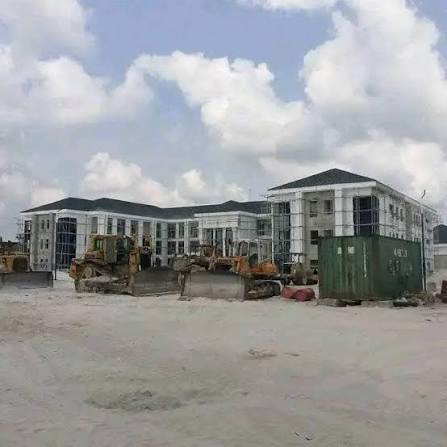
Secondly, the reforms aim to standardise and modernise fiscal administration. A system built on manual processes, weak data, and discretionary enforcement cannot support a 21st-century economy that Nigeria desires to attain. Digital compliance, harmonised frameworks, and clearer rules are structural upgrades.
Thirdly, they are about predictability. Investors, businesses, and households do not fear taxes as much as they fear uncertainty. A transparent, rules-based tax system reduces discretion, rent-seeking, and arbitrariness which are long-standing deterrents to investment in Nigeria.
Finally, the reforms are designed to rebalance the fiscal social contract, becoming a tool for accountability. When everyone participates, albeit modestly, the relationship between citizens and the government improves.
Previous fiscal regimes suffered from conceptual ineptitude. They treated taxation as an afterthought, subordinate to oil receipts. When oil prices were high, discipline evaporated. When prices fell, emergency measures replaced strategy.
Prosperous nations have walked this reform road before.These are nations often referenced by “Selectively Empirical Commentators” who want Nigeria to get to their levels but suffer deliberate amnesia when reforms are mentioned. In their numerous rhetorics, the methodologically dishonest analysts often cherry-pick statistics to sustain an oppositional narrative while bypassing deeper and analytical realities of the referenced nations.
South Korea, emerging from war and poverty, deliberately built a strong fiscal state by formalising its economy and enforcing compliance before growth accelerated.
Singapore anchored its development on disciplined taxation, institutional integrity, and strict enforcement, long before it became wealthy.
Even closer to home, Rwanda’s post-conflict recovery was driven not by aid alone, but by a deliberate decision to build a credible tax and public finance system as the backbone of state rebuilding.
In every case, tax reform was not popular but it was foundational. Consistent with the experiences of the nations mentioned above, modern tax policy reforms are no longer blunt instrument for raising funds. Across these nations, other advanced and emerging economies alike, tax reforms are increasingly used to promote economic sustainability and improve fiscal architecture.
The Nigerian Tax Acts 2025 follow this well-tested global direction. By simplifying rules, improving administration, and broadening participation in a measured way, the Tax Acts seek to create a more predictable fiscal environment. This predictability is essential for businesses making long-term investment decisions and for households planning their economic futures.
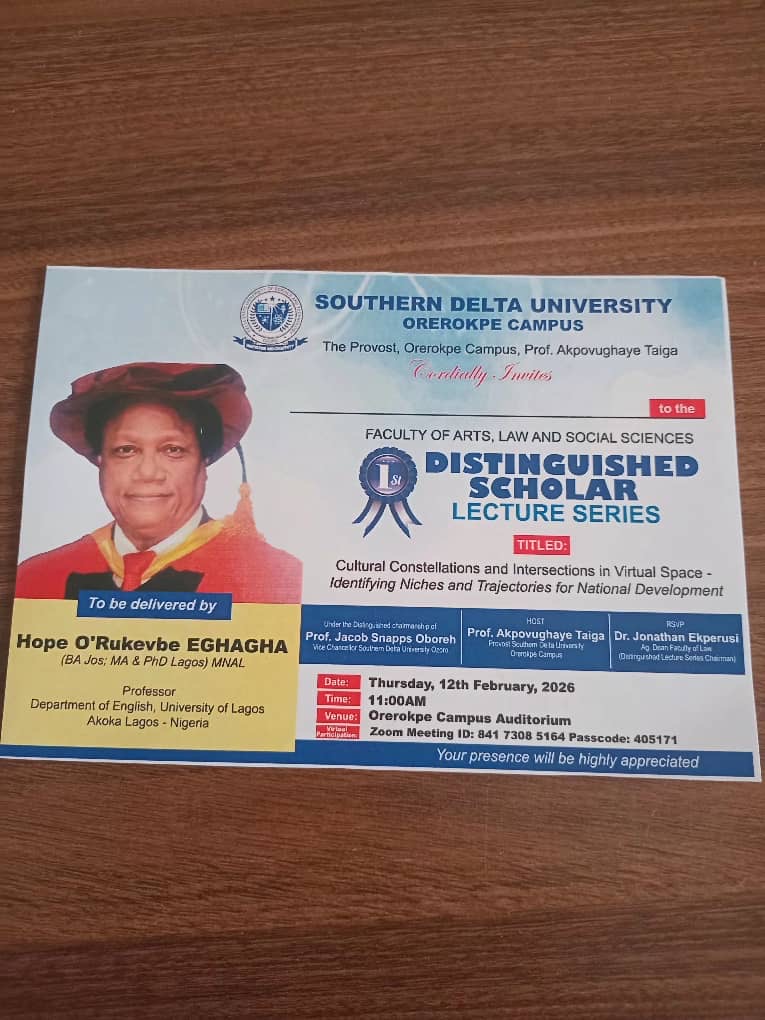
A defining feature of a credible tax reform is the protection of those least able to absorb economic shocks. In many jurisdictions, tax systems are deliberately structured to shield low-income earners and small businesses, recognizing their central role in employment, innovation, and social stability.
Globally, this is achieved through higher tax-free thresholds, simplified compliance regimes, and targeted reliefs for small enterprises. These measures ensure that taxation does not discourage entrepreneurship or push informal activity further into the shadows.
The Nigerian Tax Acts 2025 reflect these principles. By taking away the tax burden on small income earners and small businesses, the reforms aim to preserve livelihoods, encourage formal participation, and allow enterprises to grow organically. Economies grow when small businesses are given the space to survive, adapt, and scale. For example, those who earned N300,000 in 2024 paid taxes at 7% while the new Acts provide for 0% tax rate for those earning up to N800,000.

As the saying goes in tax policy, one does not tax the seed, one nurtures it to blossom. This maxim lies at the heart of the Tax Reform Acts.

Another clear signal of the intent behind the reforms is the deliberate protection of critical sectors such as healthcare, education, and agriculture through the expansion of zerorated VAT items.

Around the world, governments recognize that these sectors are foundational to longterm development. Healthcare and education underpin human capital, while agriculture supports food security, rural employment, and price stability. As a result, many jurisdictions either exempt or zero-rate essential goods and services within these sectors to keep them affordable.

By extending the list of zerorated VAT items to include the critical sectors listed above, the Nigeria tax reforms aim to reduce cost pressures on businesses operating within these critical sectors as well as support access to essential materialsneeded for the wellbeing of Nigerians.

Perhaps, the most forward-looking aspect of the Tax Reform Acts is the emphasis on digitalization and technologydriven tax administration. Across the globe, tax authorities are embracing digital tools to improve compliance, enhance transparency, and reduce administrative burdens for taxpayers.
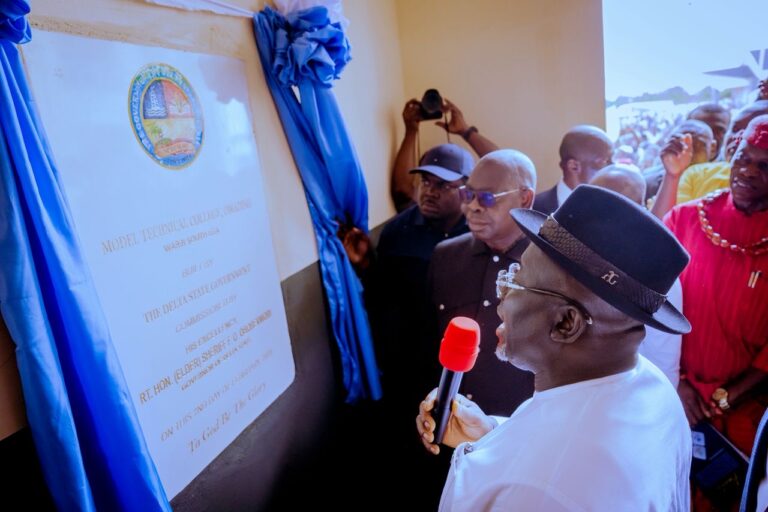
Innovative solutions such as einvoicing have become standard features of efficient tax systems globally. Einvoicing, has helped many countries improve VAT compliance, reduce fraud, and generate reliable, realtime data for fiscal planning.

Nigeria’s move in this direction signals a commitment to modern governance. A digital tax system is not only more efficient; it is fairer and more transparent. It lowers the cost of compliance, improves accuracy, and builds trust between taxpayers and the government. Over time, it also strengthens the quality of economic data available to policymakers, supporting more effective fiscal and monetary decisionmaking.

Conclusion: A Reform for the Long Term

The Tax Reform Acts are best understood as part of Nigeria’s longterm economic strategy. They are designed to stabilize the fiscal environment, support production, protect critical sectors, and modernize tax administration in line with global standards.

As with all meaningful reforms, their success will depend on careful, transparent, consultative and collaborative implementation. Government remains committed to ongoing engagement with stakeholders to ensure that the transition is orderly and that the objectives of the reforms are fully realized. This requirement sits at the core of the responsibilities of the National Tax Policy Implementation Committee (NTPIC). As earlier stated by President Nola Tinubu, these tax reforms will be implemented with human face and full consideration of the Nigerian citizenry.
Ultimately, strong tax systems are not built overnight, nor are their benefits immediately visible. But over time, they form the backbone of stable economies, credible institutions, and shared prosperity.

Joseph Tegbe, FCA, FCIT is the Chairman of the National Tax Policy Implementation Committee (NTPIC), and the Director-General and Global Liaison, Nigeria-China Strategic Partnership (NCSP).